1975 · Album
Native Dancer
Recorded March 6, 1959 · Blue Note Records · Produced by Alfred Lion

Wayne Shorter's Restless Vision Takes Flight
Native Dancer shows Shorter as a composer of unusual melodic shapes, unafraid to leave space for silence.
Native Dancer arrives early in Wayne Shorter's recording career, and it's immediately clear this guy thinks differently about melody and structure than most of his peers. Shorter leads a quintet featuring Lee Morgan on trumpet, McCoy Tyner on piano, Reggie Workman on bass, and Elvin Jones on drums—a rhythm section that would become legendary for their work with John Coltrane. The band sounds unified and responsive, which matters because Shorter's compositions don't follow the expected paths. Tracks like "Footprints" contain themes that twist and turn in ways you don't anticipate, and the soloists have to stay sharp to follow where he's leading. "Native Dancer" itself has an angular quality, built on intervals that feel slightly unexpected, the kind of thing that makes you sit up and pay attention. This isn't flashy or showy. It's intelligent music played by people who understand what Shorter is after.
What makes this record special is how personal it feels. Shorter isn't chasing trends or trying to sound like the saxophone heavyweights. Lee Morgan brings warmth to the trumpet parts, and McCoy Tyner's comping—those chords he plays underneath the soloists—is restless and modern without trying too hard. Elvin Jones drives everything forward with that signature intensity he brought to his best work. The recording quality is clean and detailed, so you can hear how everyone listens to each other.
This stands as one of the essential Shorter recordings from this period. It's not as widely celebrated as some of his later work, but it should be. If you're getting into Shorter's compositional voice, this is a perfect entry point—more accessible than some of his far-out experiments, but still completely uncompromising. Start here and you'll understand why people paid such close attention to what Shorter was writing throughout his career.
Who's playing
Dave McDanielbass guitar
Herbie Hancockpiano
Wagner Tisoelectric piano, organ
Jay Graydonguitar
David Amaroguitar
Milton Nascimentoacoustic guitar
Wayne Shortersoprano saxophone
Roberto Silvadrums
Airto Moreirapercussion
Where next?
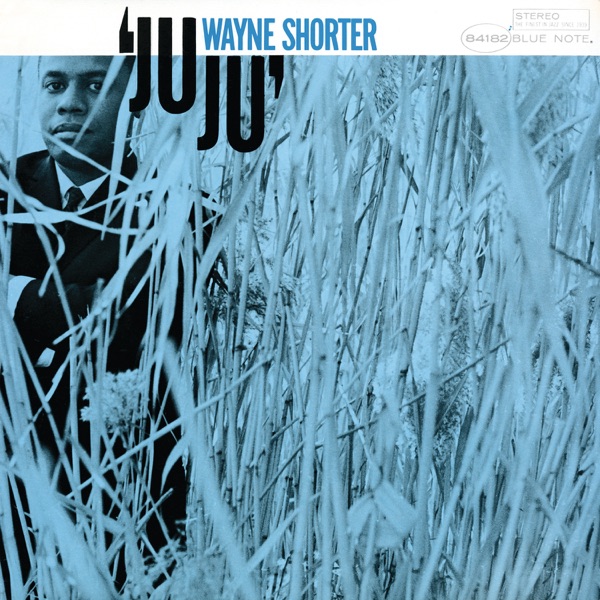
More by Wayne Shorter
All 24 albums →


The musicians on this record
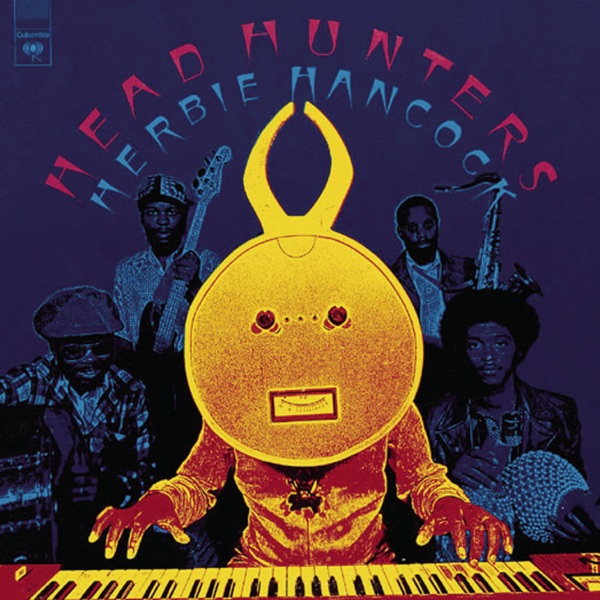
Head Hunters 1973
Herbie Hancock
plays piano here
plays piano here

Minas 1975
Milton Nascimento
plays acoustic guitar here
plays acoustic guitar here
♫
Virgin Land 1974
Airto Moreira
plays percussion here
plays percussion here


