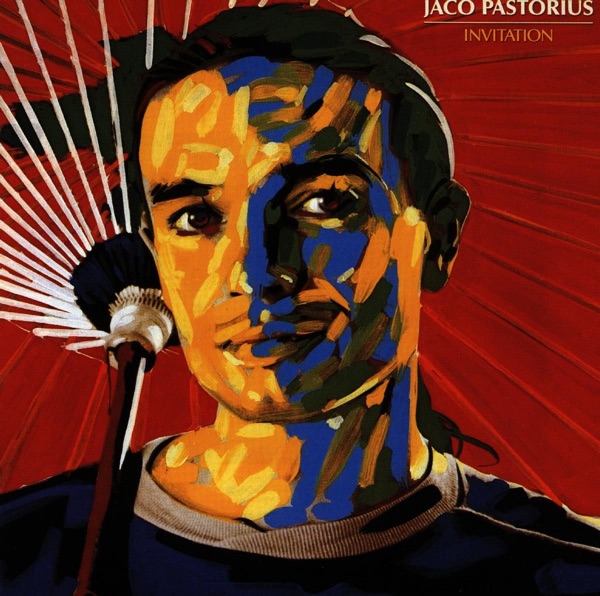
The Bass That Sang Lead
Before Jaco, the electric bass in jazz was largely a functional instrument — it kept time, anchored harmony, and mostly stayed out of the way. That wasn't a criticism; it was just the role. When Jaco appeared on his own debut album Jaco Pastorius (1976), the whole premise shifted. Here was someone playing long lyrical lines in the upper register, using harmonics like a harpist, soloing with the confidence of a horn player, and somehow doing all of this while still locking down a groove that made your body move. It was a lot to take in at once.
The fretless bass was central to everything. By removing the frets from his Fender Jazz Bass, Jaco gained the ability to slide between pitches in a way that mimicked the human voice or a bowed string instrument. That slightly mwah-ing, vocal tone became his signature — you could identify him within a couple of notes. But the technique was only part of the story. He had extraordinary ears, a deep knowledge of jazz harmony absorbed from records and from working the Florida club circuit from a young age, and a rhythmic sensibility that drew from R&B, funk, and the Caribbean music he heard growing up in the Fort Lauderdale area.
His years with Weather Report, the fusion group led by Joe Zawinul and Wayne Shorter, produced some of his most celebrated work. He joined in 1976, and the band's album Heavy Weather (1977) became one of the best-selling jazz-adjacent records of its era, driven partly by the track "Birdland" and partly by the simple fact that the band had never sounded this alive. Jaco brought a physicality and an extroversion that pushed the music somewhere new. His own composition "Teen Town" on that album is worth singling out — a bass line so fast and precise it sounds almost impossible, played with the ease of someone humming a tune.
His solo debut Jaco Pastorius (1976) is the record to start with if you haven't heard him. It features Herbie Hancock, Hubert Laws, Don Alias, and a cover of Charlie Parker's "Donna Lee" played unaccompanied on bass — a statement of intent if there ever was one. The album ranges from orchestral pieces to funk to straight jazz, and it holds together because Jaco's personality is so strong throughout. Word of Mouth (1981), his second solo album, is more ambitious and more uneven, but the title track and "Three Views of a Secret" show a composer of real depth.
The later years are difficult to talk about without sadness. By the early 1980s, Jaco was struggling seriously with mental illness and substance abuse, and his behavior became erratic and self-destructive. He died in 1987 following a violent altercation in Fort Lauderdale. He was thirty-five. What he accomplished in roughly a decade of recorded work — particularly that run from 1976 to 1982 — remains genuinely remarkable. If you hand a bass player his debut album and they haven't heard it, watch their face. That reaction tells you most of what you need to know.