1968 · Album
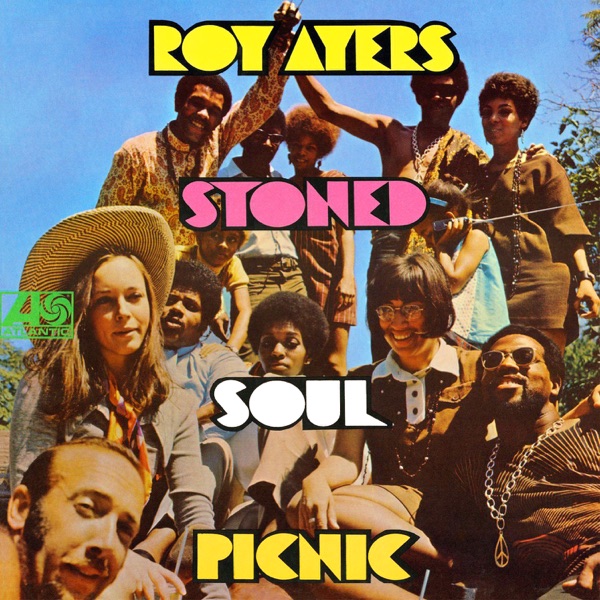
Stoned Soul Picnic
Recorded 1968 · Atlantic Records · Album Position: Third studio album
Vibraphone and Soul in 1968
Ayers brought the vibraphone into conversation with soul and funk, proving it belonged there.
By 1968, Roy Ayers had already established himself as a reliable vibraphonist, but Stoned Soul Picnic marked a real shift in his thinking. This is the album where he stopped playing it safe with straight-ahead jazz standards and started pushing the vibraphone into funkier, more soulful territory. The title alone signals the intent — nothing pretentious, just a clear statement about what's inside.
What makes this record distinctive is how directly Ayers engages with soul and R&B grooves without apologizing for it or dressing it up in jazz vocabulary. The vibraphone, an instrument often associated with cool sophistication, gets placed over rhythms and horn arrangements that feel far more street-level than typical for the instrument at that time. Ayers doesn't treat the soul-funk material as a detour or a commercial compromise; he plays it with the same commitment he'd bring to a standard. The result is a recording that moves — literally. This is music designed to make you listen with your body as much as your head.
For someone coming to Ayers' work, this isn't necessarily the starting point, but it's valuable precisely because it shows him expanding rather than repeating himself. The album didn't reshape the industry or launch a thousand imitators, but it stands as solid evidence that the vibraphone had room to grow beyond its established lanes. It's a working musician taking a genuine interest in what was happening around him and making it his own.
Who's playing
Ron Carterbass
Miroslav Vitoušbass
Herbie Hancockpiano
Gary Bartzalto saxophone
Hubert Lawsflute
Grady Tatedrums
Roy Ayersvibraphone
Charles Tolliverbrass
Where next?
More by Roy Ayers
All 10 albums →
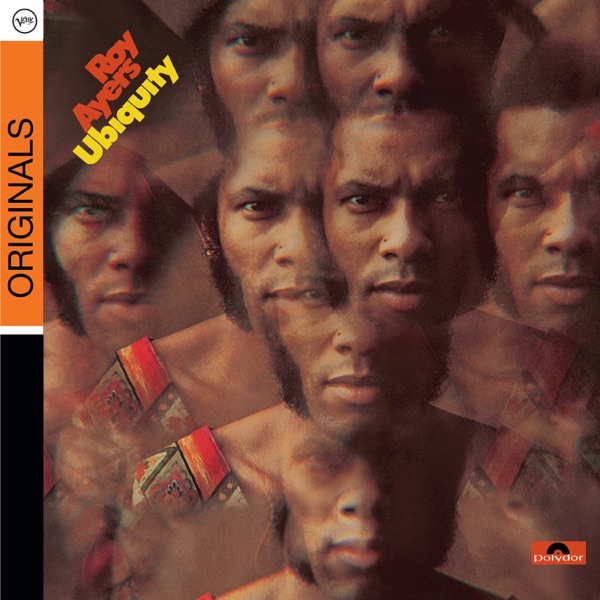
The musicians on this record
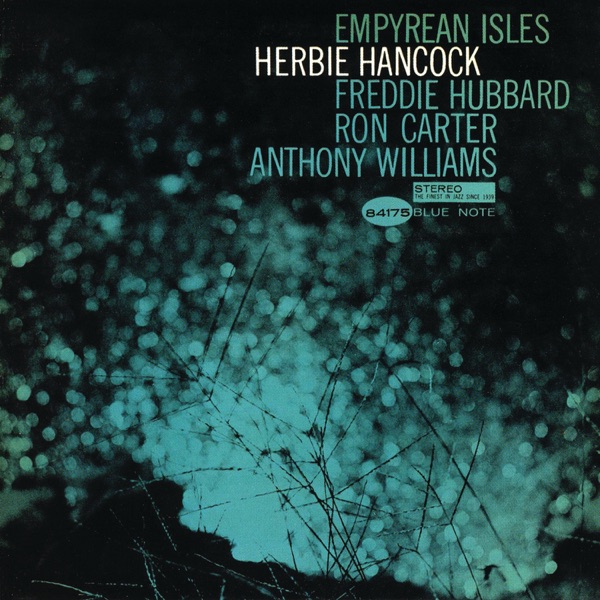
The Egg 1968
Herbie Hancock
plays piano here
plays piano here
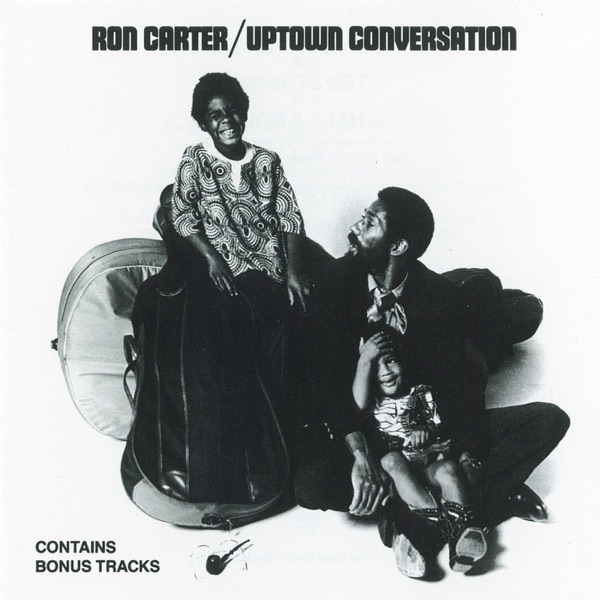
Uptown Conversation 1969
Ron Carter
plays bass here
plays bass here

Infinite Search 1970
Miroslav Vitous
plays bass here
plays bass here

Another Earth 1969
Gary Bartz
plays alto saxophone here
plays alto saxophone here