Where do you listen?
Choose your streaming service
inside the sleeve
Loading…
inside the sleeveITS
⌕
Read About

♫

Facts
Connections
Read more

Discography

Collaborations

Live on Youtube

Explore Further

Selected connections
1976 · Album

Everybody Loves The Sunshine

↑ Roy Ayers

Recorded 1976 · Polydor Records · Produced by Roy Ayers
Everybody Loves The Sunshine

Warmth, Groove, and the Open Sky

Roy Ayers made funk and jazz feel like the same language, and this album is the proof.

By 1976, Roy Ayers had been steadily building a sound that sat comfortably between jazz, soul, and funk without fully belonging to any one of them. Released under his Roy Ayers Ubiquity banner on Polydor Records, Everybody Loves the Sunshine (1976) is not a difficult album. It does not ask much of you. What it offers instead is something rarer in jazz-adjacent music of that era: genuine ease. The kind of record that feels like it was made on a warm afternoon with no particular deadline in mind.

The title track is the obvious centerpiece, and for good reason — it earned a spot at number 72 on Pitchfork's 200 Best Songs of the 1970s list in 2016, decades after its release. That kind of longevity comes from the track's construction: a slow, drifting groove anchored by Ayers' vibraphone, with a vocal melody so simple it feels inevitable. The album around it follows a similar philosophy — laid-back tempos, electric keyboards, Rhodes tones, and funk rhythms that never push too hard. This is not Ayers the post-bop vibraphonist of his early career. This is Ayers as a bandleader fully committed to the groove-first approach that would go on to influence producers and hip-hop beatmakers for decades.

The album peaked at number 51 on the Billboard 200, a respectable showing that reflected its crossover appeal. It is not Ayers at his most adventurous, and listeners looking for extended improvisation or harmonic complexity should look elsewhere in his catalog. But for what it sets out to do — deliver warm, unhurried, deeply likable music rooted in African American funk and soul traditions — it succeeds completely. A solid, pleasurable record that holds up better than most of its era.

Who's playing
Philip Wooelectric piano
Ronald "Head" Draytonguitar
Doug Rhodesdrums
Chano O’Ferralcongas
Roy Ayersvibraphone
John "Shaun" Solomoninstrument

Listen next
By Roy Ayers
Coffy 1973
More Jazz Fusion
Romantic Warrior 1976
Return to Forever
Recording Info
Track listing
1Hey Uh-What You Say Come On3:45
2The Golden Rod3:03
3Keep On Walking3:46
4You and Me My Love3:11
5The Third Eye6:21
6It Ain't Your Sign It's Your Mind3:28
7People and the World4:48
8Everybody Loves the Sunshine4:01
9Tongue Power3:02
10Lonesome Cowboy4:03
Musicians
Further Reading
Read more
GenreFrom Bitches Brew to Head Hunters: how jazz went electric

Where next?

More by Roy Ayers
Coffy 1973
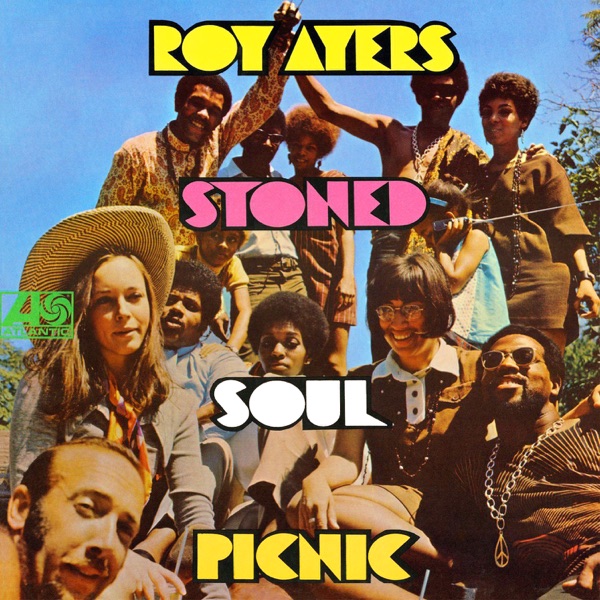
Stoned Soul Picnic 1968
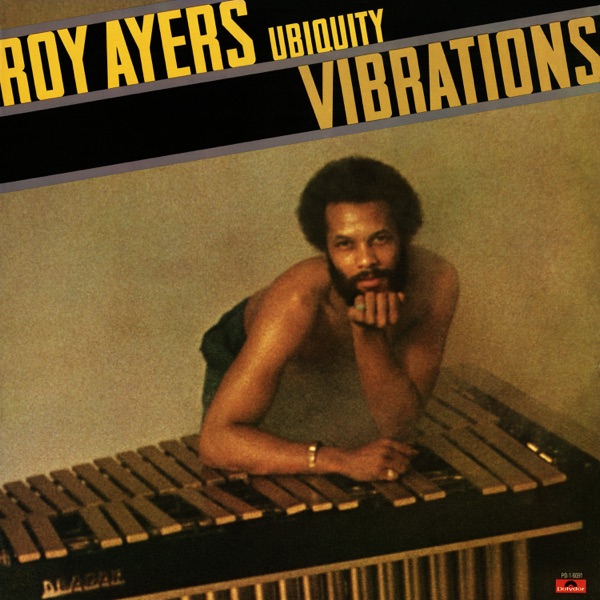
Vibrations 1983
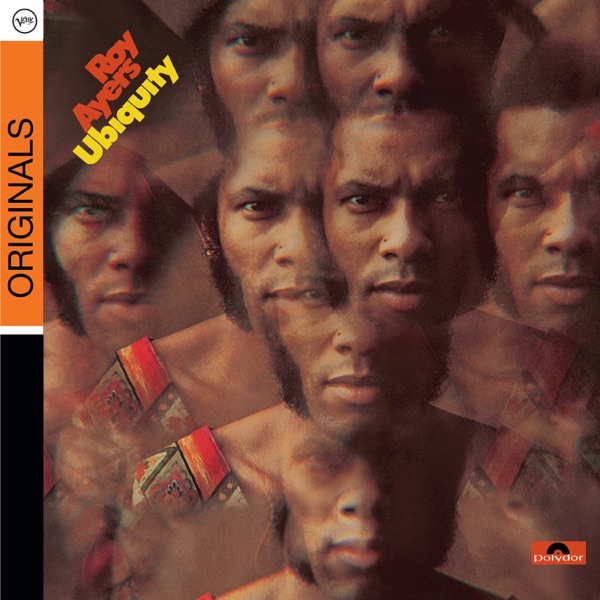
Ubiquity 1970
All 10 albums →
More Jazz Fusion
Romantic Warrior 1976
Return to Forever
Romantic Warrior 1976
Chick Corea
Pat Metheny Group 1977
Pat Metheny
Word Of Mouth 1981
Jaco Pastorius
All 140 Jazz Fusion artists →

More by this artist

Albums with the same musicians

From the same era

Similar artists

inside the sleeve
Growing
Jazz, explained without pretension.
Read · Follow the connections · Press play
Right now: 7,100+ albums · 440+ artists
Start here
New to jazz? These artists are good places to start.
Loading…
Explore
Nine records worth getting lost in.
Born today
Album of the day
A landmark record, every day.
Read
  • Loading…
Article archive →
Recently added
Purpose
Inside the Sleeve is your companion on a journey through jazz — not a textbook, but something closer to a knowledgeable friend sitting next to you while you listen. Read about an artist, press play, follow a connection, discover an album you didn't know you needed.
Suggestions
Read

Articles

Essays, guides, and lists about jazz and the records that matter.

Loading…

Genre

Key Artists
Further Reading

Essential Albums

Related Genres

In This Genre

About

Inside the Sleeve

Work in progress

Inside the Sleeve grows continuously — new artists and albums are added, essays refined, as visitors explore and our editors follow up on what they find. Content, features, and design are still evolving; use the Report error button on any page to flag something that seems off.

Content

Every artist, album, and release date on Inside the Sleeve is real — verified against trusted sources including MusicBrainz and Wikipedia. We don't invent discographies or fabricate records. AI compiles that verified information into readable prose — essays on artists, albums, and the music itself. We can't manually review every essay before publishing, but every reported error is checked by a human editor.

Inside the Sleeve is not a review site. We're not here to rate or rank — we're here to guide you in. Where an album stands out, we'll say so. Where an artist changed everything, you'll know why. But we won't tear anything down. Jazz history is complex and sources sometimes disagree — if you spot something that seems off, please report it.

Streaming

Inside the Sleeve links to Spotify and Apple Music so you can listen while you read. These are not affiliate links. For Spotify, links open a search on open.spotify.com — we do not have direct links to specific recordings. For Apple Music, direct links are used where available, otherwise a search is opened.

Your choice of streaming service is stored locally in your browser only. It is never sent to our servers.

We're working on deeper Spotify integration, including direct links to specific recordings.

Privacy

Inside the Sleeve does not collect personal data and does not use cookies. We count page visits anonymously using a self-hosted analytics tool — no personal identifiers are stored, and the data never leaves our own server. The only preference stored on your device is your streaming service choice, saved locally in your browser and never transmitted.

When you submit a suggestion or error report, the text you write is stored in our database. No name or email is required or collected unless you choose to provide one.

Third-party services

Spotify and Apple Music are independent services with their own terms of use and privacy policies. Inside the Sleeve is not affiliated with or endorsed by either company.

Support

Inside the Sleeve is free and ad-free. If you enjoy it, a coffee helps cover server costs and keeps the project going.

Amazon

Some book recommendations on Inside the Sleeve link to Amazon. Buying through these links costs you nothing extra — but Amazon pays us a small commission, which goes directly towards keeping the site running. It's a simple way to support the project if you were going to buy the book anyway.

As an Amazon Associate, Inside the Sleeve earns from qualifying purchases.

Questions or feedback? Use the suggestion box on the front page.

Inside the Sleeve — A guide for those who want to go beyond the obvious About & Privacy