1983 · Album
Vibrations
Recorded 1976 at Electric Lady (New York), Paragon (Chicago), and Larabee (Los Angeles) · Polydor Records · Produced by Roy Ayers Ubiquity with Edwin Birdsong, James Green, William Allen; Maurice Green (associate producer)
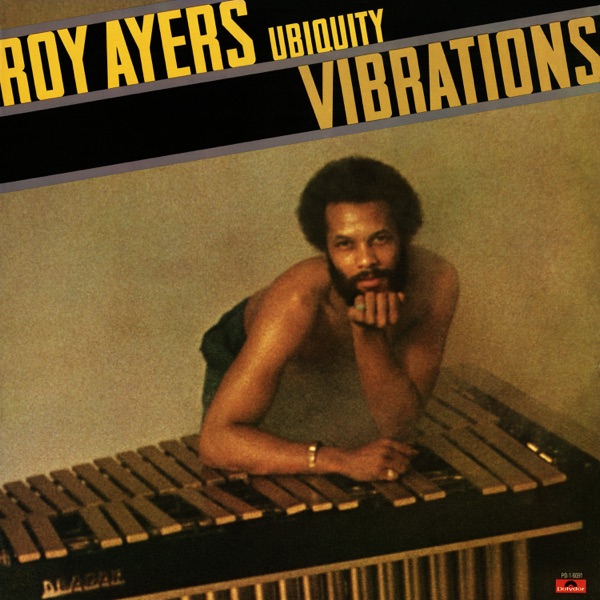
Vibrations in the Mix: Roy Ayers in 1976
A confident studio album that showed Ayers comfortable with his sound and his collaborators.
By 1976, Roy Ayers had already established himself as a reliable voice in jazz and funk fusion, and Vibrations arrived as a solid entry in his catalog rather than a breakthrough moment. The album was recorded across three major studios—Electric Lady in New York, Paragon in Chicago, and Larabee in Los Angeles—a logistical choice that speaks to Ayers' standing at the time. He had the resources and the clout to move between coasts and work in top-tier facilities, which meant Polydor Records believed in what he was doing enough to invest in the recording accordingly.
What's interesting about Vibrations is the production setup itself. Ayers co-produced with Edwin Birdsong, James Green, and William Allen, with Maurice Green as associate producer. This wasn't a solo auteur project—it was collaborative in structure, which suggests Ayers was willing to share creative control. That kind of ensemble approach to the production chair can either dilute a record or sharpen it, depending on how aligned everyone is. AllMusic gave the album 4 out of 5 stars, which indicates the project landed well enough with critics who came to it seriously.
Vibrations doesn't appear to be the record most casual listeners reach for first when exploring Ayers' work, but it sits comfortably in the middle stretch of his career—the work of a musician who had found his footing and knew what he was good at. It's a record for people already curious about what Ayers was doing in the mid-1970s, after his early innovations but before any later reassessment. The album came out in late 1976, a moment when his blend of vibraphone, funk rhythms, and jazz sophistication had an audience that understood the language.