Where do you listen?
Choose your streaming service
inside the sleeve
Loading…
inside the sleeveITS
⌕
Read About
Alto Saxophone - USA - Hard Bop / Soul Jazz

Gary
Bartz

Start here Harlem Bush Music: Taifa & Uhuru (1971) →
1940 - Present, USA

Gary Bartz has been making uncompromising alto saxophone music since the 1960s, moving through hard bop, funk-inflected soul jazz, and back again without ever losing the thread. He came up through some of the most demanding bands in jazz history — playing with Max Roach, Art Blakey, and then Miles Davis at the turn of the 1970s — and what he learned in those rooms still shows up in every solo he plays. If you know his name at all, you probably know him from one great record, but his story is a lot longer and stranger than that.

Hard BopSoul JazzPost-BopModal Jazz
Gary Bartz

The Alto That Stayed Sharp

Baltimore produced Gary Bartz in 1940, and the city's working-class directness never really left him. He studied at Juilliard and the Peabody Conservatory, but school only gave him tools — the attitude came from somewhere deeper. By the mid-1960s he was playing with Max Roach and Abbey Lincoln, music that was openly political and emotionally direct, and Bartz absorbed that seriousness. He wasn't just learning how to blow changes; he was learning that the music could mean something beyond the bandstand.

The gig that put him on the map for most listeners was joining Miles Davis in 1970, replacing Wayne Shorter in what was already a volatile, shape-shifting band. You can hear Bartz on Live-Evil (1971), one of the stranger documents of electric Miles, and he holds his own in a setting that could easily swallow a lesser player. His alto cuts through the layers of electric keyboards and percussion with something more raw than polished — he sounds like he's arguing with the rhythm section in the best possible way.

His own recordings for Milestone in the early 1970s are where a lot of people stop, because Harlem Bush Music – Taifa (1972) and Harlem Bush Music – Uhuru (1972) are genuinely great — politically charged, rhythmically alive, and carried by the NTU Troop, his working group at the time. The music sits somewhere between hard bop, soul jazz, and something rawer. These records got sampled heavily in hip-hop and rare groove circles, which introduced Bartz to a younger audience who might never have gone looking for a 1970s alto saxophonist on their own.

Through the 1980s and 1990s, Bartz stayed active but was less visible on the commercial radar — which is partly about timing and partly about refusing to make records that didn't interest him. He never chased trends convincingly, which cost him mainstream attention but meant his music stayed honest. When he recorded for Enja and later Steeplechase, he returned to more straightahead settings, and the playing was still sharp, still characteristic. His tone is thick in the middle register and slightly edgy at the top, with a way of bending into phrases that you either immediately recognize or can't describe until you've heard it ten times.

Bartz is now well into his eighties and still performing, which says something about his relationship with the music — it's not a career to him the way it might be for someone more strategically minded. What keeps him interesting is the consistency of personality across very different contexts. Whether he's playing over electric funk, a piano trio, or a full big band, you hear the same guy making the same kinds of decisions, and those decisions have character. That's rarer than it sounds.
Facts
BornSeptember 26, 1940, Baltimore, Maryland, USA
InstrumentAlto Saxophone, Soprano Saxophone
Active1960s – Present
Known forHis tenure with Miles Davis, the Harlem Bush Music series, and decades of uncompromising alto saxophone playing
Connections
Miles DavisBandleader, New York City
→
Max RoachBandleader / Collaborator, New York City
→
Art BlakeyBandleader, Jazz Messengers, New York City
→
Read more

Discography

29 records
Another Earth
Another Earth
1969
♫
Harlem Bush Music: Taifa & Uhuru
1971
Infinite Jones
Infinite Jones
1974
The Shadow Do
The Shadow Do
1975
♫
Live at Nemu Jazz Inn -1 - Dance of Magic
1975
Ju Ju Man
Ju Ju Man
1976
Music Is My Sanctuary
1977
Love Affair
Love Affair
1978
Bartz
Bartz
1980
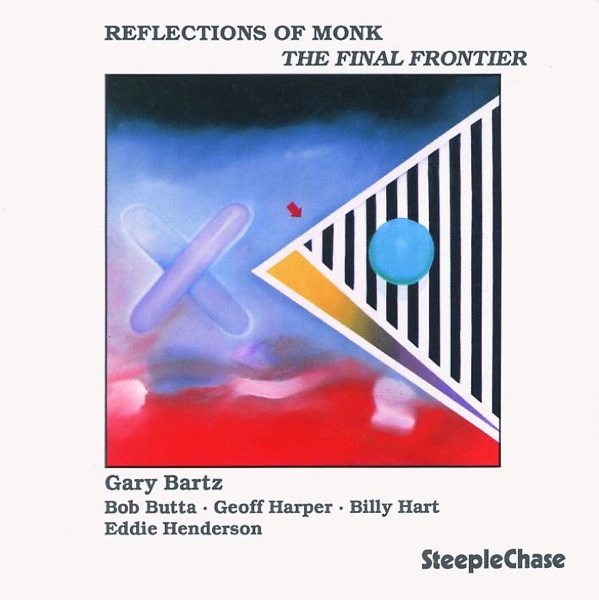
Reflections of Monk - The Final Frontier
1989
♫
Precious Energy
1990
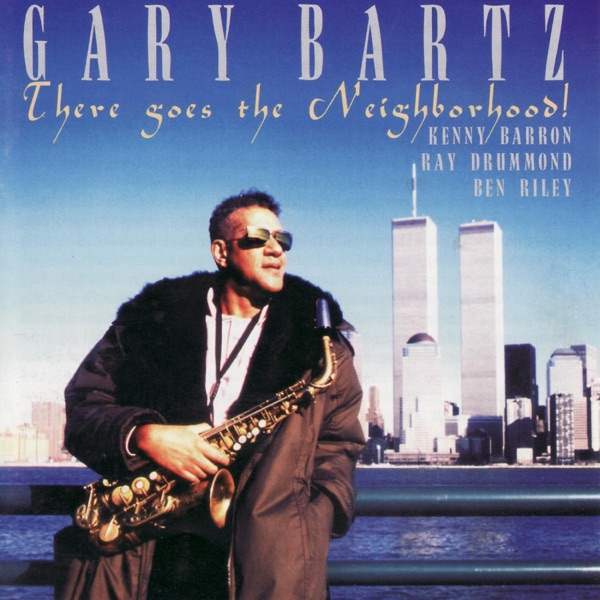
There Goes the Neighborhood!
1991
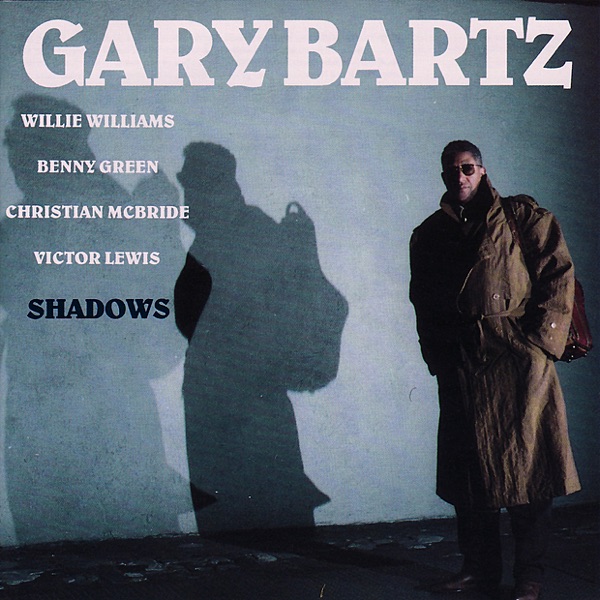
Shadows
Shadows
1992
Dreamsville
Dreamsville
1993
♫
Alto Memories
1994
♫
Harlem Sunset
1994
The Red And Orange Poems
1994
Episode One - Children Of Harlem
1994
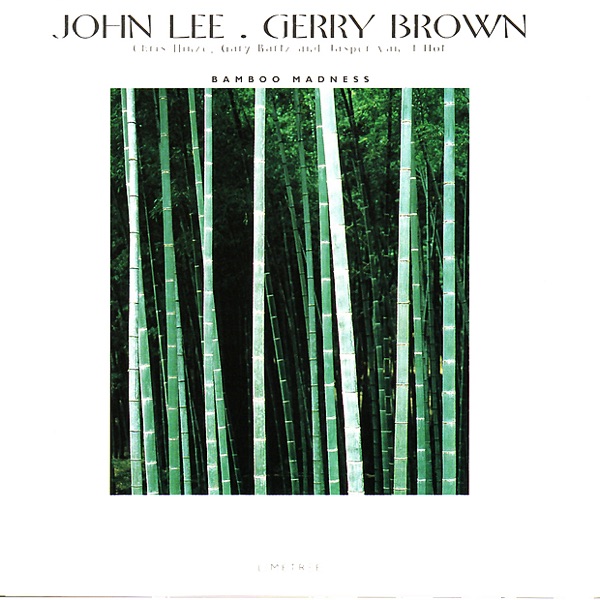
Bamboo Madness
Bamboo Madness
1995
♫
The Blues Chronicles: Tales of Life
1996
♫
Samba for Felix
1999
♫
Homeland
2000
The Montreal Concert
2001
♫
Live @ The Jazz Standard, Vol. 2: Mae Velha
2005
♫
Soprano Stories
2005
♫
Coltrane Rules (Tao of a Music Warrior)
2011
♫
Night Dreamer Direct-To-Disc Sessions
2020
♫
Gary Bartz JID006
2021
♫
Where Rivers Meet
2026

Collaborations

Live on Youtube

Explore Further

Selected connections
Saxophonist, USA
Jackie McLean
Another Baltimore-connected alto player with the same kind of raw edge and refusal to smooth things over — if Bartz's tone appeals to you, McLean is essential.
Explore →
Album, 1971
Live-Evil
Miles Davis's electric double album where you can hear Bartz in real time holding his own inside one of the most chaotic bands of the era.
Explore →
Saxophonist, USA
Pharoah Sanders
Another saxophonist who bridged soul, spirituality, and hard blowing without sitting comfortably in any one category — a natural next listen after the Harlem Bush Music records.
Explore →

Who's playing
Listen next
Recording Info
Track listing
Musicians
Further Reading
Read more

Where next?

More by this artist

Albums with the same musicians

From the same era

Similar artists

inside the sleeve
Growing
Jazz, explained without pretension.
Read · Follow the connections · Press play
Right now: 7,100+ albums · 440+ artists
Start here
New to jazz? These artists are good places to start.
Loading…
Explore
Nine records worth getting lost in.
Born today
Album of the day
A landmark record, every day.
Read
  • Loading…
Article archive →
Recently added
Purpose
Inside the Sleeve is your companion on a journey through jazz — not a textbook, but something closer to a knowledgeable friend sitting next to you while you listen. Read about an artist, press play, follow a connection, discover an album you didn't know you needed.
Suggestions
Read

Articles

Essays, guides, and lists about jazz and the records that matter.

Loading…

Genre

Key Artists
Further Reading

Essential Albums

Related Genres

In This Genre

About

Inside the Sleeve

Work in progress

Inside the Sleeve grows continuously — new artists and albums are added, essays refined, as visitors explore and our editors follow up on what they find. Content, features, and design are still evolving; use the Report error button on any page to flag something that seems off.

Content

Every artist, album, and release date on Inside the Sleeve is real — verified against trusted sources including MusicBrainz and Wikipedia. We don't invent discographies or fabricate records. AI compiles that verified information into readable prose — essays on artists, albums, and the music itself. We can't manually review every essay before publishing, but every reported error is checked by a human editor.

Inside the Sleeve is not a review site. We're not here to rate or rank — we're here to guide you in. Where an album stands out, we'll say so. Where an artist changed everything, you'll know why. But we won't tear anything down. Jazz history is complex and sources sometimes disagree — if you spot something that seems off, please report it.

Streaming

Inside the Sleeve links to Spotify and Apple Music so you can listen while you read. These are not affiliate links. For Spotify, links open a search on open.spotify.com — we do not have direct links to specific recordings. For Apple Music, direct links are used where available, otherwise a search is opened.

Your choice of streaming service is stored locally in your browser only. It is never sent to our servers.

We're working on deeper Spotify integration, including direct links to specific recordings.

Privacy

Inside the Sleeve does not collect personal data and does not use cookies. We count page visits anonymously using a self-hosted analytics tool — no personal identifiers are stored, and the data never leaves our own server. The only preference stored on your device is your streaming service choice, saved locally in your browser and never transmitted.

When you submit a suggestion or error report, the text you write is stored in our database. No name or email is required or collected unless you choose to provide one.

Third-party services

Spotify and Apple Music are independent services with their own terms of use and privacy policies. Inside the Sleeve is not affiliated with or endorsed by either company.

Support

Inside the Sleeve is free and ad-free. If you enjoy it, a coffee helps cover server costs and keeps the project going.

Amazon

Some book recommendations on Inside the Sleeve link to Amazon. Buying through these links costs you nothing extra — but Amazon pays us a small commission, which goes directly towards keeping the site running. It's a simple way to support the project if you were going to buy the book anyway.

As an Amazon Associate, Inside the Sleeve earns from qualifying purchases.

Questions or feedback? Use the suggestion box on the front page.

Inside the Sleeve — A guide for those who want to go beyond the obvious About & Privacy