
When Michael Henderson's Bass Defines the Sound
Henderson's bass work transforms Shadows into something deeper than Bartz's alto alone could achieve.
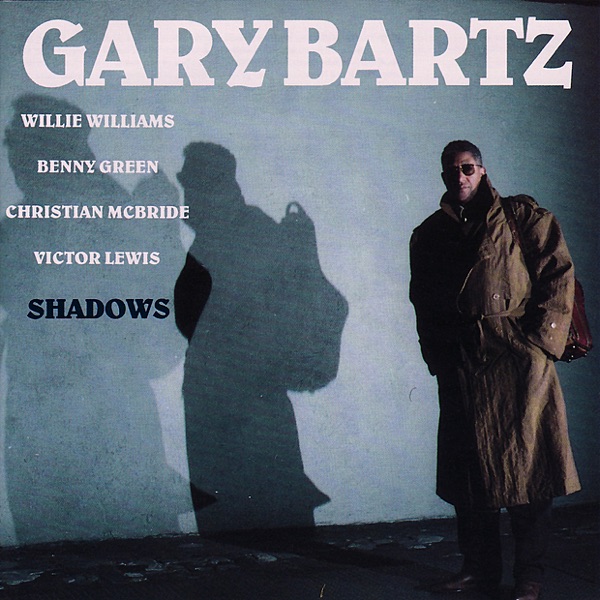
What makes Shadows distinctive is Michael Henderson's presence on bass guitar. Henderson doesn't just anchor these sessions—he shapes them, pushing the sound toward something warmer and more grounded than Bartz's horn might reach on its own. His tone is thick and purposeful, the kind of bass playing that doesn't call attention to itself but becomes impossible to imagine the record without.
Bartz's strong tone and improvisational imagination have always been central to his work, and AllMusic reviewer Greg Turner recognized this, noting that Bartz proves himself among jazz's finest saxophonists throughout the recording. But here, with Henderson supporting him alongside Reggie Lucas on guitar, Larry Mizell on synthesizer, and James Mtume handling percussion, the leader found a setting that brought out something fuller. The rhythm section creates space rather than clutter, which matters for a player like Bartz who values clarity in his lines.
This is a solid late-period record—not a reinvention, but a reminder that Bartz remained engaged and inventive well into the 1990s. It doesn't rank among his most celebrated work, but for listeners already familiar with his catalog, Shadows rewards close attention, particularly to how the ensemble locks together. Henderson's bass is the quiet reason why.
Who's playing
Where next?
More by Gary Bartz
All 29 albums →
The musicians on this record
Their own records, close in time


