Always Ahead, Never Still
Miles Davis arrived in New York in 1944 to study at Juilliard, but he was just as determined to learn from Charlie Parker and Dizzy Gillespie on 52nd Street, where bebop was actually happening. He wasn't the fastest player or the loudest—his trumpet had a smaller, quieter sound than Dizzy's dazzling virtuosity—and that apparent limitation became his greatest strength. While other musicians reached for the highest notes, Miles hung back and let each note settle into the silence around it. The space itself became part of the music.
By the late 1940s he was already restless. With arranger Gil Evans he recorded the Birth of the Cool (1957) sessions, nine pieces that blended jazz with orchestral colors and classical harmonies. The records sold modestly at first, but they became the blueprint for cool jazz and profoundly shaped the West Coast scene that followed. Miles had already moved beyond a style he had helped define.
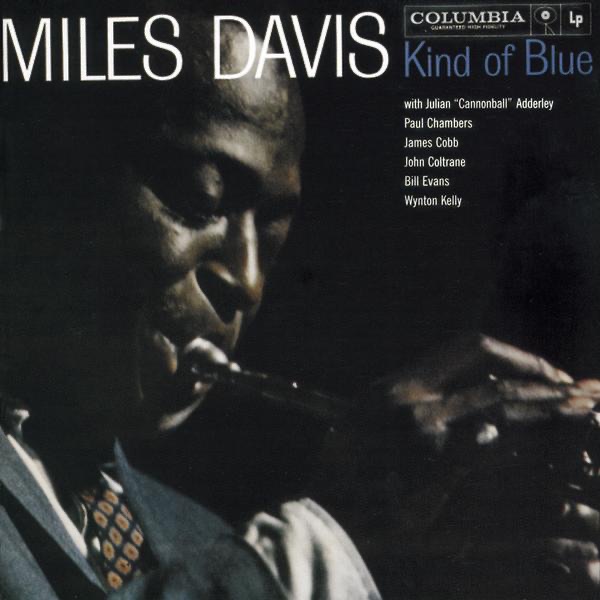
By the mid-1950s his First Great Quintet established him as one of jazz's central figures, and then Kind of Blue (1959) made him impossible to ignore. It remains the best-selling jazz album of all time. The breakthrough lay in what Miles left out: instead of racing through dense chord changes, the music rested on a handful of modes, giving the soloists room to explore melody rather than harmony. John Coltrane, Cannonball Adderley, and Bill Evans sounded as though they were inventing the music on the spot—and within Miles's sparse sketches, they largely were.
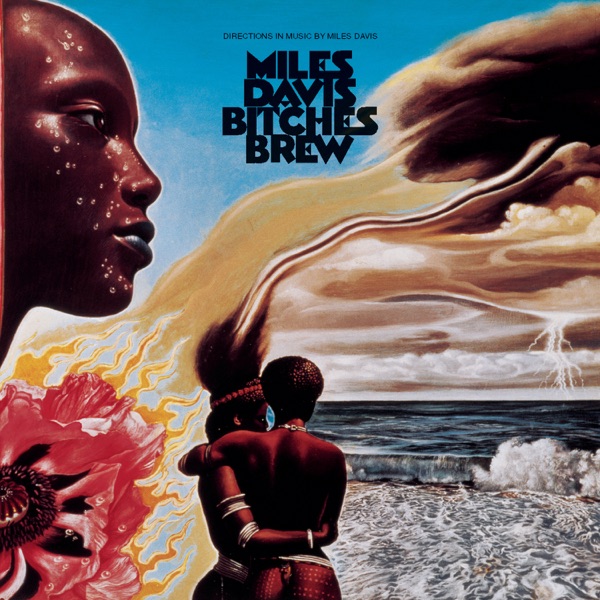
By the mid-1960s he was bored again. His Second Great Quintet—with Herbie Hancock, Wayne Shorter, Ron Carter, and Tony Williams—began dismantling swing from within, loosening rhythm and harmony until the music seemed to float between structure and freedom. Then came Bitches Brew (1970): electric keyboards, rock rhythms, funk grooves, and extended studio experimentation. It alienated many longtime jazz fans while bringing an entirely new audience to the music.
What ultimately made Miles Davis impossible to pin down—and one of the defining musicians of the twentieth century—was his instinct for finding talent. An extraordinary number of the era's greatest jazz musicians either played with him or were shaped by someone who had. He could be difficult, abrasive, and fiercely independent, and you can hear that edge even in his most lyrical performances. But the music endures because it never pretended he was anything other than what he was: an artist who refused to get comfortable.