
A Trumpeter's Honor, Arranged from Abroad
Late in his career, Davis let a Danish composer reshape his sound entirely—and it worked.
By 1989, Miles Davis had spent decades doing exactly what he wanted, which meant he'd also spent decades confusing people. Aura arrived when few expected anything from him at all. It's a late-career record, yes, but it's not a farewell or a summation. Instead, it's a genuine left turn: Davis stepping into someone else's vision entirely. Palle Mikkelborg created this suite in 1984 to honor Davis receiving the Léonie Sonning Music Prize, and five years later it finally reached listeners. That delay matters. By then Davis was sick, moving slower, but still capable of finding his sound within unfamiliar arrangements.
Mikkelborg's charts are dense and orchestral in ways Davis hadn't explored recently. The personnel—Niels-Henning Ørsted Pedersen and Bo Stief on bass, John McLaughlin and Bjarne Roupé on guitar, Flemming Madsen and Jesper Thilo on saxophone and woodwind—create a thick, almost classical backdrop for Davis and Mikkelborg's trumpet and flugelhorn work. This isn't Miles leading a band. This is Miles as soloist within a composed structure. The Penguin Guide to Jazz Recordings gave it a perfect rating, and there's good reason: the album respects Davis without flattering him, gives him space without abandoning him.
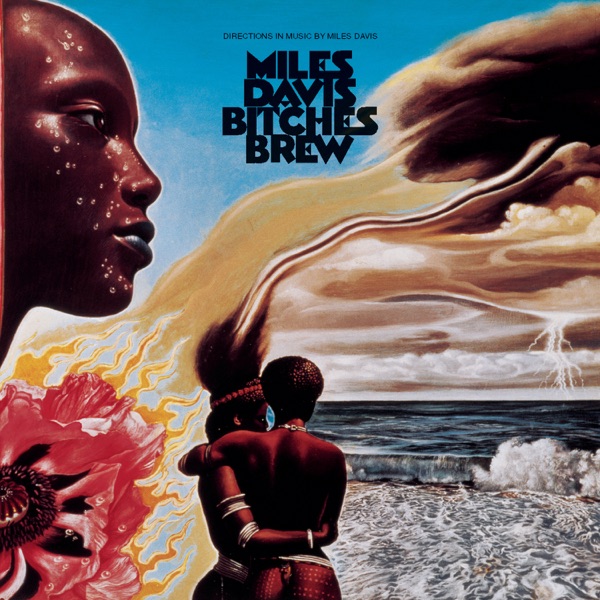
It's not an essential starting point for his music. Go to Kind of Blue (1959) or Bitches Brew (1970) first. But it's a reminder that late work doesn't have to be nostalgia or decline. Davis taking European arrangements seriously, working inside someone else's framework, and still sounding like himself—that's worth hearing.
Who's playing
Niels‐Henning Ørsted Pedersenbass
Bo Stiefbass
John McLaughlinguitar
Bjarne Roupéguitar
Flemming Madsensaxophone, woodwind
Jesper Thilosaxophone, woodwind
Miles Davistrumpet
Palle Mikkelborgadditional, flugelhorn, trumpet
Ture Larsentrombone
Vincent Nilssontrombone
Marilyn Mazurpercussion
Thomas Clausenkeyboard
Niels Ejeoboe
Lennart Gruvstedtmembranophone
Ole Koch-Hansenkeyboard
Where next?
More by Miles Davis
All 59 albums →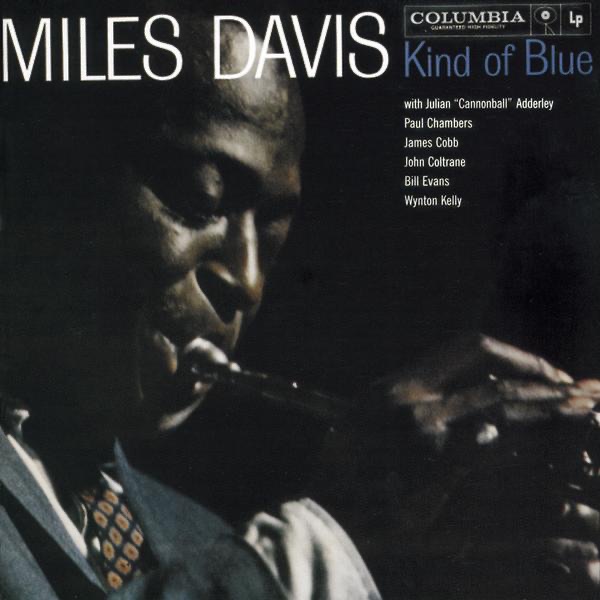


The musicians on this record
Their own records, close in time


