
Miles Davis Paints Spain in Blue
A masterpiece of melancholy and restraint, where silence speaks as eloquently as sound.
Miles Davis's Sketches of Spain is one of those albums that somehow lives in multiple worlds at once—classical, jazz, and something that doesn't quite fit in either box. Davis and arranger Gil Evans basically asked themselves: what if we took Spanish classical pieces, especially the Concierto de Aranjuez, and played them like jazz musicians, but without actually following jazz rules?
The album centers on "Concierto de Aranjuez," and that's where you really understand what they were doing. Davis plays trumpet with a mute, so it comes out soft and almost conversational. Evans's orchestra wraps these lush string arrangements around him, and the two of them just talk back and forth. Davis doesn't show off—no racing through passages or hitting high notes just to prove he can. He thinks about where each note lands, leaves space for silence, and makes you feel that he chose every single note for a reason. Bill Evans on piano does the same thing on a few tracks, finding chord voicings that make what Davis is already playing feel deeper.
The timing is worth noticing too. This came out in the early 1960s when jazz was breaking into pieces—everyone pushing harder to be weirder or more complex. Davis and Evans did the opposite. They slowed down, stuck with melody and solid composition, and stopped worrying whether anybody would call it jazz or classical. It worked because they genuinely cared about both traditions, not because they were trying to prove something.
This album shows why Davis never got comfortable repeating himself. Sketches of Spain is built on knowing when to hold back and actually listen. Sometimes the loudest thing you can say is by being quiet about it.
Who's playing
Danny Bankbass clarinet
Paul Chambersdouble bass
Jack Knitzerbassoon
Bernie Glowtrumpet
Taft Jordantrumpet
Louis R. Muccitrumpet
Ernie Royaltrumpet
Johnny Colestrumpet
Dick Hixsontrombone
Frank Rehaktrombone
Al Blockflute
Eddie Caineflute
Jimmy Cobbdrums
Elvin Jonespercussion
José Mangualpercussion
John BarrowsFrench horn
Jim BuffingtonFrench horn
Earl ChapinFrench horn
Miles Davisflugelhorn
Harold Feldmanclarinet, oboe
Jim McAllistertuba
Janet Putnamharp
Bill Barbertuba
Tony MirandaFrench horn
Romeo Penqueoboe
Joseph SingerFrench horn
Where next?
More by Miles Davis
All 59 albums →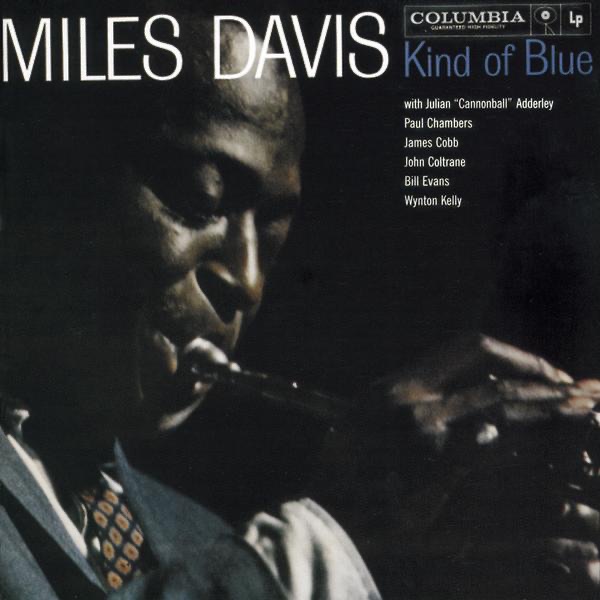


The musicians on this record
Their own records, close in time


