Silence as a Third Voice
Bill Evans walked into New York from classical training and basically broke how jazz pianists thought about the piano. The guys before him—they kept their left hand moving, playing stride patterns or comping chords locked to the beat. Evans just let it breathe. He voiced chords close and weird, pulling ideas straight from Ravel and Debussy as much as from Bud Powell. By the time he joined Miles Davis in 1958, he'd built a style so complete it was almost like his own language.
Those eight months (or so) with Miles gave us Kind of Blue (1959), which became the best-selling jazz record ever made. But Evans was already looking somewhere else. In 1959 he started a trio with bassist Scott LaFaro—who was barely twenty-two—and drummer Paul Motian, and honestly, it changed what people thought a jazz trio could do. LaFaro stopped playing like a timekeeper and started playing melodies that wove around Evans's right hand, both of them listening and reacting in the moment. The recordings from the Village Vanguard in June 1961 show them at their best—completely inside each other's heads. Ten days later, LaFaro died in a car accident.
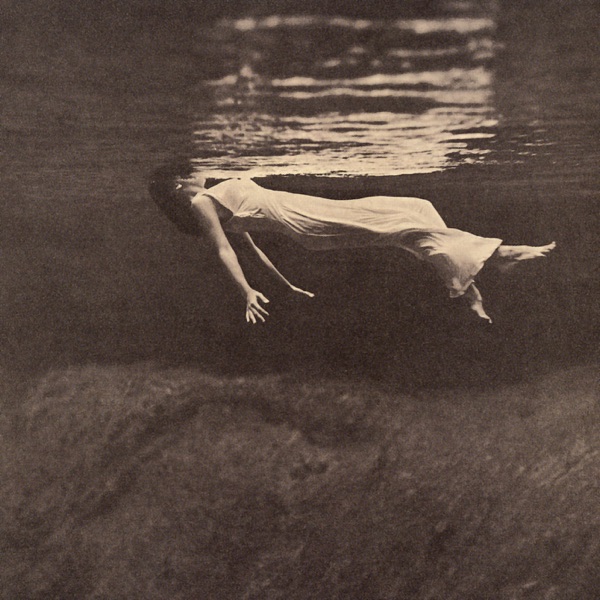
Evans went quiet for months. When he came back, that grief stayed in the music. The ballads he wrote after—'Re: Person I Knew,' 'Letter to Evan'—feel less like jazz standards and more like he's saying goodbye to something. He used rubato, phrases that start early or finish late, so the music feels slightly outside normal time, like you're hearing it through water or memory.
His later years got tangled up with heroin and then cocaine. He hid it pretty well while touring constantly, recording for Riverside, Verve, and Fantasy. The playing never fell apart, even when his life was a mess. His work with Jim Hall, the solo album Alone, and those trio dates from the mid-to-late 1970s with Eddie Gomez and Eliot Zigmund—they contain real beauty, the kind that seems to show up in spite of everything.
He died in September 1980 at fifty-one, worn out. Almost every pianist since has borrowed something from him—Keith Jarrett, Herbie Hancock, Brad Mehldau, Enrico Pieranunzi—his harmonic ideas or the way he thought about trio playing. But the recordings are still unmistakably his. There's something in his playing you can't really copy, not because it's technically hard, but because it's too personal—just him working through his own thoughts one chord at a time.