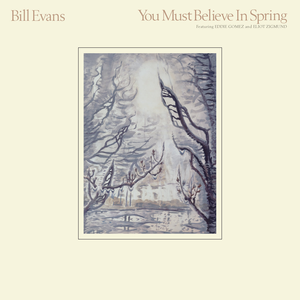
1979 · Album
Autumn Leaves
Recorded 1959 · Riverside Records · Produced by Orrin Keepnews

Solitude and Conversation at the Piano
Evans transforms a standard into something intimate, like he's thinking out loud at the keyboard.
Bill Evans made Autumn Leaves (1959) as a solo piano album, which right away sets it apart from the trio work he's known for. There's no one else in the room, just Evans and the instrument, and that changes everything about how these songs breathe. The title track is maybe the most famous version of that tune ever recorded—it's not flashy or trying to impress you, but there's something in the way he phrases it that gets under your skin. He's not decorating the melody; he's having a conversation with it, asking questions, circling back, reconsidering. The whole record has that quality: focused, introspective, sometimes almost fragile.
What makes this album special is that it catches Evans in a particular mood—reflective without being sad, intellectual without being cold. Pieces like "Peace Piece" show his ability to sit still with just a few notes and make them matter. He's not rushing. Other standards get the same treatment: he finds the architecture underneath them, the bones that usually get hidden under faster playing or busier arrangements. You hear his touch on the keys constantly, the way he controls dynamics, how he spaces things out. It's patient playing, the kind that rewards attention.
This lands early in Evans' career, well before the trio recordings that defined his later reputation. Some people come to Evans through this album first and find it revelatory; others prefer him with a rhythm section underneath. Neither is wrong. If you want to understand how he thought about melody and harmony in their purest form, or if you simply like piano that doesn't pretend to be something it's not, this delivers. It's genuine and it holds up.
Who's playing