1981 · Album
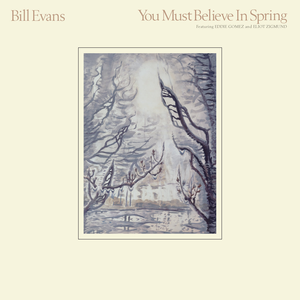
You Must Believe In Spring (US & International Release)
Recorded 1977-1978 · Warner Bros. Records · Produced by Not documented

Finding Light in the Quietest Moments
Evans creates something genuinely restful here, which takes more skill than most people realize.
You Must Believe In Spring arrives late in Bill Evans's career as something genuinely unexpected: a solo piano record that feels less like a statement and more like a private conversation. By this point, Evans had already established himself as one of jazz's most important pianists, but this album strips away everything except the man and his instrument. There's no rhythm section to anchor him, no horns to play off. Just Evans alone with the piano, and that simplicity is the whole point.
The album lives in intimate territory. Tracks like the title tune and his reading of standard ballads showcase Evans doing what he does best—finding harmonic possibilities that other pianists miss, reharmonizing phrases in ways that feel both surprising and inevitable. He's not showing off here. The playing is conversational, almost hesitant at moments, as if he's thinking through the music in real time. This isn't the flashy Evans; it's the thoughtful one, the pianist who understands that silence and space matter as much as notes. The touch is gentle throughout, the tempo never rushed.
This record won't grab you immediately the way some jazz albums do. It's not meant to. If you're coming to Evans for the first time, Everybody Digs Bill Evans (1958) or Peace Piece and Heart and Soul (1962) might serve you better. But if you know his work and want to hear him in his most unguarded state, this is essential. It's proof that you don't need a band to create something moving—sometimes the smallest gesture, played with complete honesty, says everything.