1961 · Album
Someday My Prince Will Come
Recorded March 1959 · Columbia Records · Produced by Irving Townsend

When Miles Met the Fairy Tale
Miles and his crew turn a Disney standard into something strange and modern without breaking a sweat.
By the time Miles Davis recorded Someday My Prince Will Come (1961), he'd already spent years proving that jazz could absorb anything—pop tunes, classical themes, whatever landed in front of him—and turn it into something entirely its own. This album sits right in that sweet spot where he was playing with Hank Mobley, Wayne Shorter, Wynton Kelly, and Philly Joe Jones, musicians who understood what he was after. The title track, yanked straight from Disney's Snow White, doesn't sound precious or coy in their hands. It becomes something cooler and more skeptical, like Miles is winking at the whole fairy tale business while still making it swing hard.
What makes this record work is that nobody here is showing off. Shorter especially brings this nervous, searching quality to his solos—he's not playing the tune, he's interrogating it. Kelly comps quietly under everything, and Mobley has this warm, slightly melancholic tone that keeps things grounded. The rhythm section locks in without ever sounding mechanical. You're hearing seasoned players at work, not a bunch of virtuosos racing each other. "Tell Me" and "African Violet" show that Miles wasn't just interested in reworking standards; he wanted his writers bringing their own material into the conversation too.
This isn't Miles's most famous record—that distinction belongs elsewhere in his catalog—but it's essential if you want to understand what he and Hank Mobley were doing together in this period. It's direct, well-recorded, and never tries to convince you it's more important than it actually is. The playing is mature and assured without any flourishes. If you've already heard his modal experiments, come back to this one. It'll remind you why Miles spent so much time with straightforward hard bop: because when everyone knows what they're doing, the results can be quietly perfect.
Who's playing
Paul Chambersdouble bass
Wynton Kellypiano
John Coltranetenor saxophone
Hank Mobleytenor saxophone
Miles Davistrumpet
Jimmy Cobbdrums
Where next?
More by Miles Davis
All 59 albums →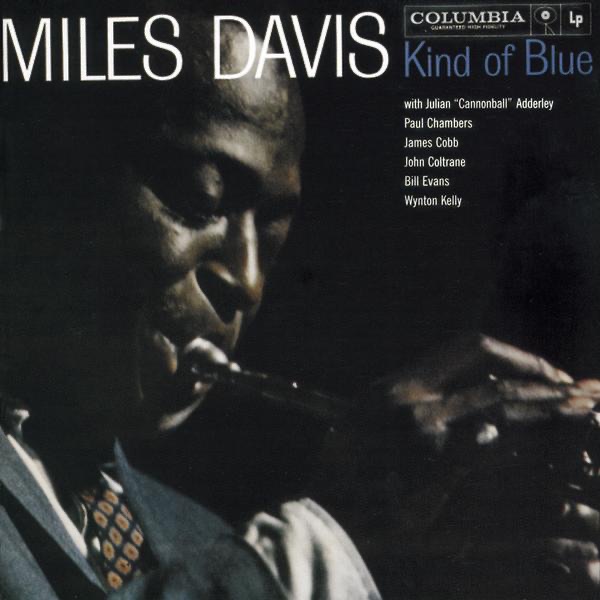
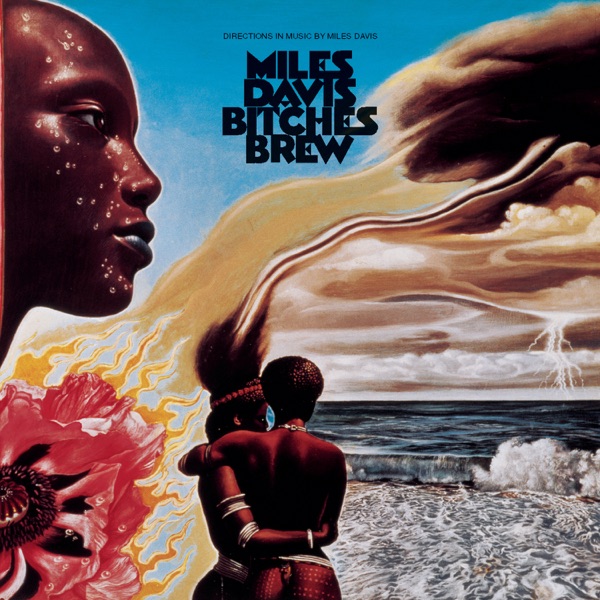


The musicians on this record

Giant Steps 1960
John Coltrane
plays tenor saxophone here
plays tenor saxophone here

Kelly Blue 1959
Wynton Kelly
plays piano here
plays piano here

Soul Station 1960
Hank Mobley
plays tenor saxophone here
plays tenor saxophone here


