
John Scofield's Electric Arrival
Scofield's guitar cuts through with a modern bite that signals Miles moving forward, not backward.
After six years away from recording, Miles Davis returned in 1981. Star People came next, in 1983, and it marks the first time John Scofield appears on a Miles album. Scofield wasn't a household name then—saxophonist Bill Evans brought him to the session—but his presence here matters because he represents something Davis was reaching toward: a guitarist who could operate in the electric funk-fusion space without sounding like a holdover from the previous decade. Scofield plays with clarity and restraint, never overwhelming the ensemble, but his tone has a contemporary edge that refreshes what could have been a nostalgic record.
The album itself is uneven. Some tracks land—there's real energy in how the band locks together—while others feel like they're still searching for shape. Davis's trumpet remains sharp and purposeful, which is the point: this wasn't a vanity project or a comeback machine. Teo Macero, who had produced Davis since the 1960s, was still in the control room, and this would be his last time. The combination of Macero's experience and Scofield's fresh approach creates an interesting tension, old and new machinery running at the same time.
Critically, the album divided listeners. Christgau's Record Guide gave it an A−, while other sources were more cautious. It's not considered a peak Davis record, but it proved he hadn't lost his ear for finding musicians who belonged in the moment. Scofield went on to become one of the era's defining jazz guitarists, and his introduction here, though understated, was significant.
Who's playing
Marcus Millerelectric bass guitar
Tom Barneyelectric bass guitar
Mike Sternelectric guitar
John Scofieldelectric guitar
Bill Evanssoprano saxophone
Al Fosterdrums
Mino Cinelupercussion
Miles Daviskeyboard
Where next?
More by Miles Davis
All 59 albums →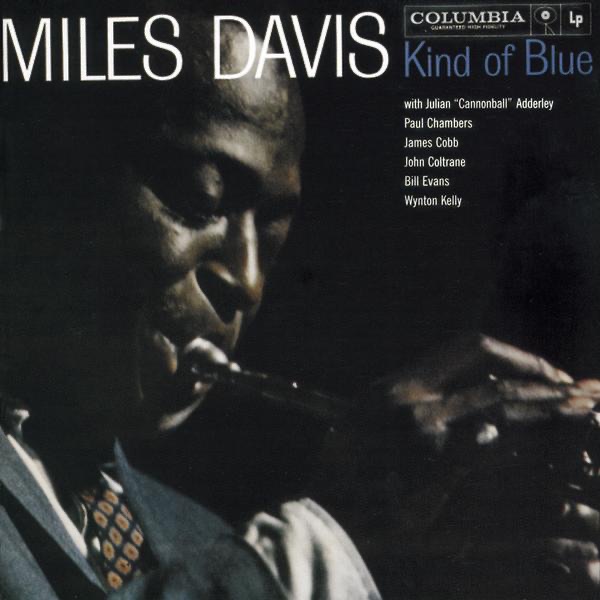
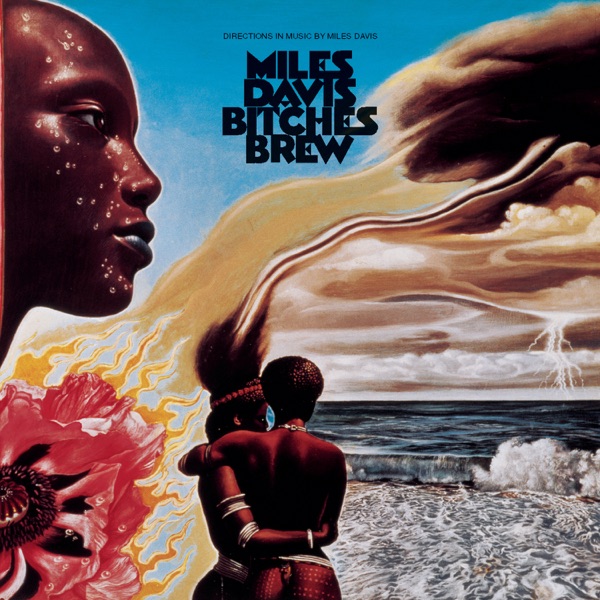
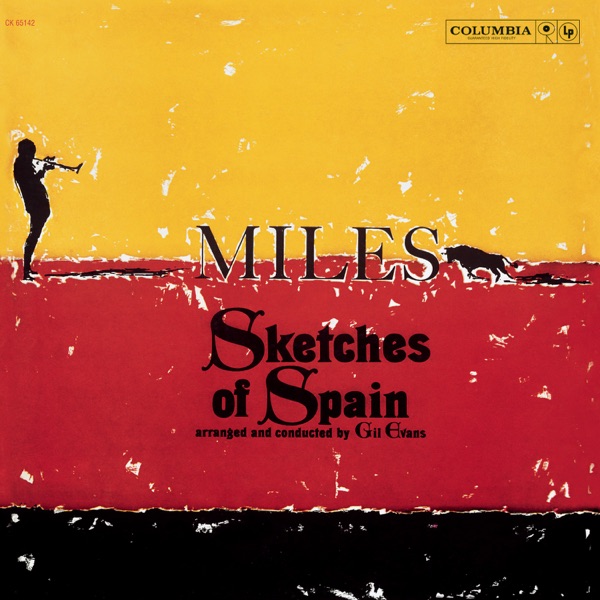
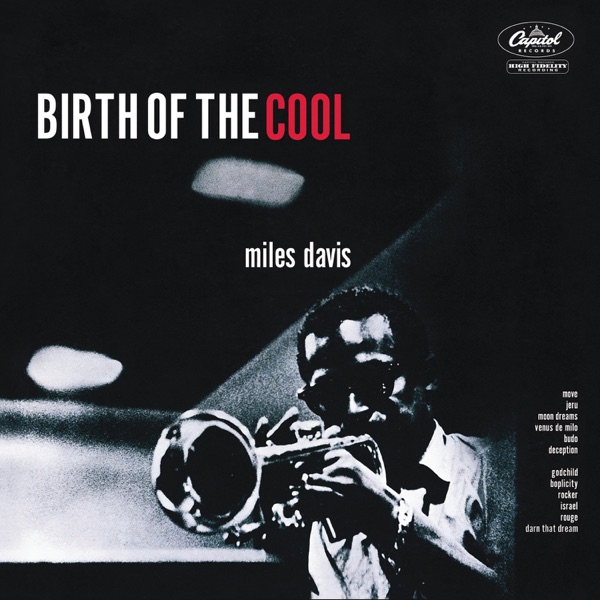
The musicians on this record
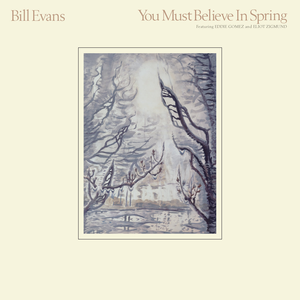
You Must Believe in Spring 1981
Bill Evans
plays soprano saxophone here
plays soprano saxophone here

Solar 1984
John Scofield
plays electric guitar here
plays electric guitar here

Suddenly 1983
Marcus Miller
plays electric bass guitar here
plays electric bass guitar here


