Bent Notes, No Apologies
Scofield grew up in Connecticut and came up through Berklee and the New York scene in the mid-1970s, working with Gerry Mulligan and Chet Baker before landing a gig with Miles Davis from 1982 to 1985. That Miles period is where a lot of people first heard him, and it made sense — Miles was chasing something funky and electric, and Scofield fit right in. But even then, you could tell he wasn't just a sideman finding his footing. He was already doing his own thing.
His guitar sound is the first thing anyone notices. It's got this slightly overdriven, almost rubbery quality — not the clean, precise tone of a lot of jazz guitarists, and definitely not the high-gain crunch of rock. It sits somewhere in between, and it's completely his. He bends notes in ways that feel bluesy without being corny about it, and he has a way of ending phrases that always sounds a little surprised, like he's hearing what he just played for the first time. His rhythm playing is equally distinctive — loose and conversational, leaving a lot of air.
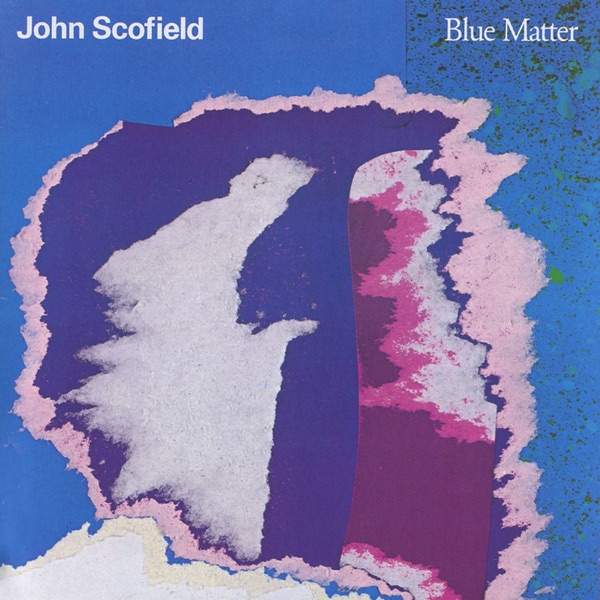
His Gramavision records from the mid-1980s are where he really hit his stride as a leader. Still Warm (1986) and Blue Matter (1987) leaned hard into funk and groove, with Dennis Chambers on drums and a general vibe that was closer to a good soul band than a typical jazz quartet. Those records still sound great — not dated in the way a lot of that era's fusion can feel. The 1990s brought Meant to Be (1990) and a run of records on Blue Note that showed he could pull in country, gospel, and blues influences without it feeling like a gimmick. He's always trusted his ears over genre logic.
One of the best things about Scofield is how good he is in a trio or quartet setting with the right people. His records with Bill Stewart on drums have a particular chemistry — Stewart is one of those drummers who really listens, and Scofield responds to that. A Go Go (1998) put him alongside Medeski Martin & Wood and introduced him to a whole crowd that came in through the jam band side of things. Some jazz purists grumbled, but the playing was genuinely strong. Scofield has never been precious about where his audience comes from.
He's kept recording and touring well into his seventies, and the records haven't gotten tired. Combo 66 (2018) is as sharp as anything he did thirty years earlier, and his trio work keeps finding new angles on the same basic sound he's been refining his whole career. He's not trying to reinvent anything at this point, and that's fine — there's real pleasure in hearing someone this good just play. He knows what he is, and he does it better than almost anyone.