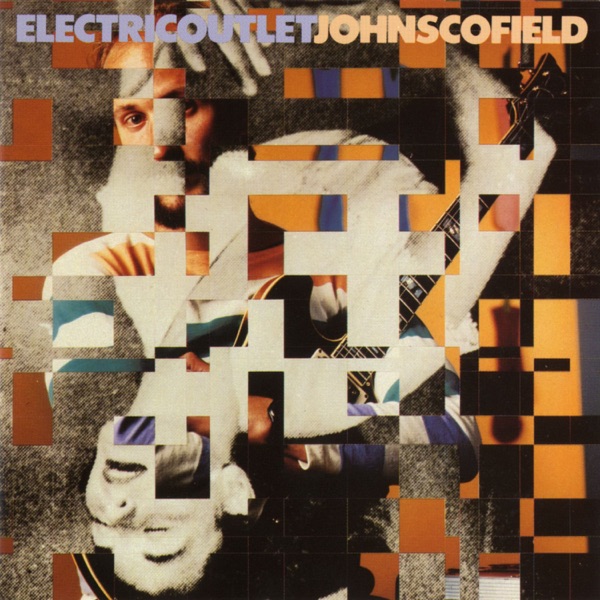
1984 · Album
Electric Outlet
Recorded 1984 · Gramavision · Produced by John Scofield, Bill Laswell
Ray Anderson's Trombone: The Soul of Electric Outlet
Anderson's trombone cuts through the synthesizer wash with warmth and blues vocabulary that grounds the entire session.
On Electric Outlet, Ray Anderson's trombone is the human voice in a room full of machines. Scofield's guitar work here relies heavily on overdub and octaver effects—a synthesizer stand-in for bass—and Pete Levin's keyboards dominate much of the sonic landscape. The result could easily have landed in cold, academic fusion territory. Instead, Anderson anchors the album with a trombone sound that refuses to be synthesized: bluesy, warm, bent and slurred in ways no keyboard can replicate. He's the reason these records breathe.
Anderson and Scofield had developed a musical shorthand by this point, and it shows. Where Scofield experiments with texture and electronic color, Anderson reminds the listener what the songs are actually about—melody, phrasing, the human lung behind the instrument. David Sanborn on alto saxophone contributes nimble, spirited lines, and Steve Jordan on drums keeps everything locked in, but Anderson's voice is the one that stays with you. The Penguin Guide to Jazz Recordings rated the album 2 out of 4, and that's fair: Electric Outlet is interesting rather than essential, a solid mid-career experiment that works best when you're listening specifically for what the horns are doing beneath the electronic overlay.
This album sits in the middle of Scofield's catalog—not a starting point, and not one of his strongest records, but worth hearing if you've already spent time with his better-known work. Come for the guitar textures, stay for Anderson.
Who's playing
John Scofieldguitar
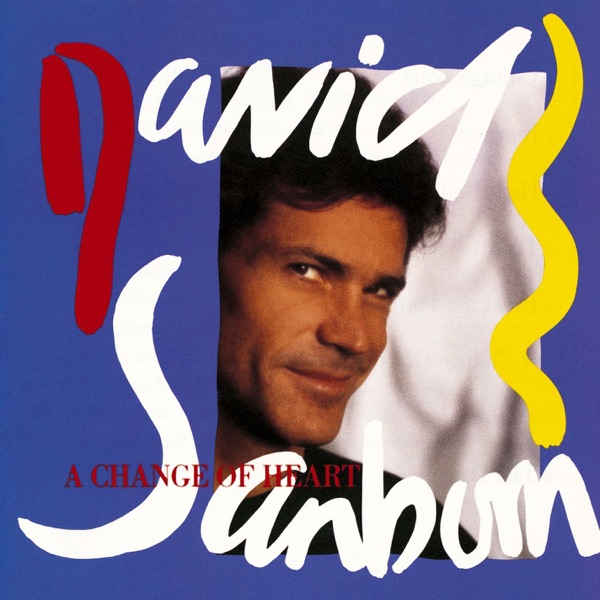
David Sanbornalto saxophone
Ray Andersontrombone
Pete Levinsynthesizer
Steve Jordandrums
Where next?
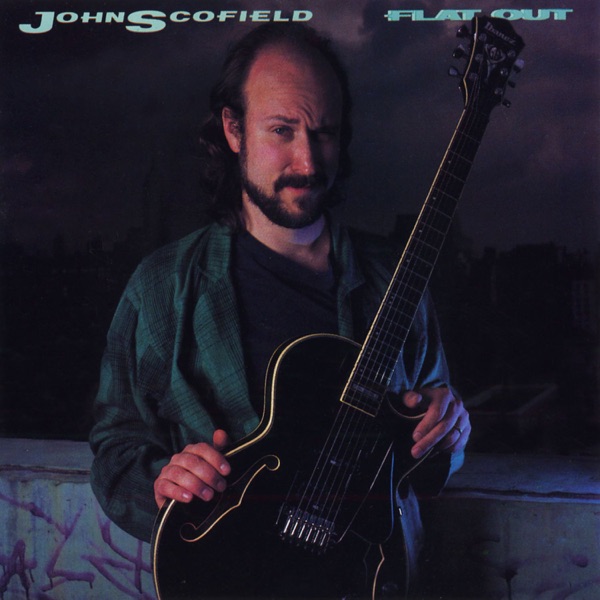
More by John Scofield
All 40 albums →


The musicians on this record
Their own records, close in time