1989 · Album
Flat Out
Recorded December 1988 · Gramavision · Produced by Not specified in source material
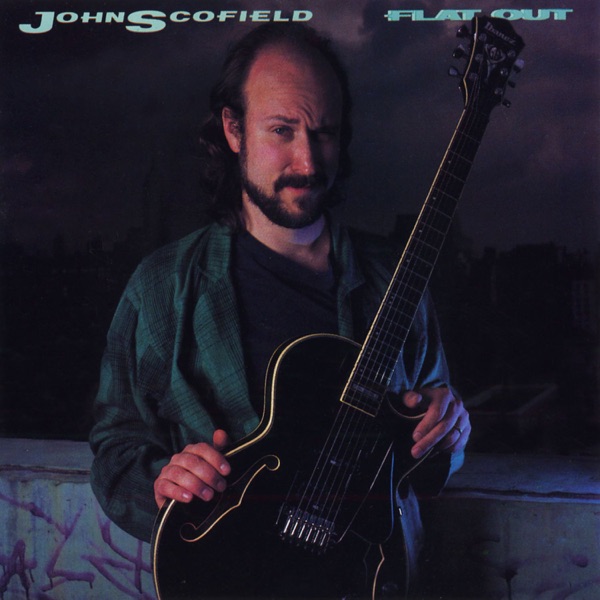
Grooves That Don't Wait for Permission
Scofield's guitar cuts through with clarity while the rhythm section builds momentum underneath—funky, focused, alive.
From the first notes, Flat Out announces itself as a working band in the pocket. Scofield's guitar tone is direct and muscular, neither overly processed nor apologetic—he's playing through the changes with the kind of ease that comes from knowing exactly what he wants to say. Don Grolnick on keyboards and Anthony Cox on bass lock into grooves that have actual weight. The drums shift between Johnny Vidacovich and Terri Lyne Carrington, each bringing their own sensibility to the session, but the overall feel stays grounded: this is jazz that cares about the groove as much as the solo.
By this point in Scofield's career, he'd already established himself as a guitarist who could move between fusion, bebop, and funk without sounding scattered. Flat Out leans into that eclecticism without overthinking it. The album doesn't announce itself as particularly ambitious or revolutionary—it's a solid band playing well-written material, nothing more or less. It earned a favorable reception from the Penguin Guide, which rated it 3.5 out of 4 stars, a mark that sits comfortably with its actual achievement: a recording that swings, hangs together, and doesn't waste your time.
This was Scofield's last album for Gramavision, which perhaps explains why it feels confident without needing to prove anything. Not a landmark record, but the kind of album that rewards repeated listening—the kind that quietly finds its way into your regular rotation because the playing is honest and the songs stick with you.
Who's playing
Anthony Coxbass
John Scofieldguitar
Don GrolnickHammond organ
Johnny Vidacovichdrums
Terri Lyne Carringtondrums


