1976 · Album
Water Babies
Recorded 1967–1968 · Columbia Records · Produced by Not specified in Wikipedia source

Sketches from the Silent Way Sessions
Outtakes and experiments that bridged two Miles Davis eras, finally heard eight years later.
Water Babies exists because of patience and archival luck. The music was cut during studio sessions in 1967 and 1968 when Davis and his quintet were working toward Nefertiti (1968) and beginning to explore the territory that would become In a Silent Way (1969). Some tracks never made those albums. Others were left behind as Davis moved forward. Then, in 1976, after Davis had stepped back from recording, Columbia dug into the vaults and assembled what was there.
What emerges is genuinely interesting precisely because it feels unfinished. These aren't polished statements. They're working versions—Davis and the band trying fusion textures, post-bop structures, electronic experimentation—without the narrative arc of a full album. The music sits between worlds. It's too loose and exploratory for the tight modernism of Nefertiti, but not yet the floating, orchestral patience of In a Silent Way. That in-between space is where the real tension lives.
For committed Davis listeners, this is essential context for understanding how he moved from one era to the next. For newcomers, it's a harder entry point than either of those finished albums. But if you already know his mid-career work, Water Babies rewards the dig. You hear the thinking that didn't make the cut, the roads not taken, the ideas he was turning over. It's valuable not as a masterpiece but as a conversation with one.
Who's playing
Ron Carterdouble bass
Dave Hollanddouble bass
Herbie Hancockpiano
Chick Coreaelectric piano
Wayne Shortertenor saxophone
Miles Davistrumpet
Tony Williamsdrums
Where next?
More by Miles Davis
All 59 albums →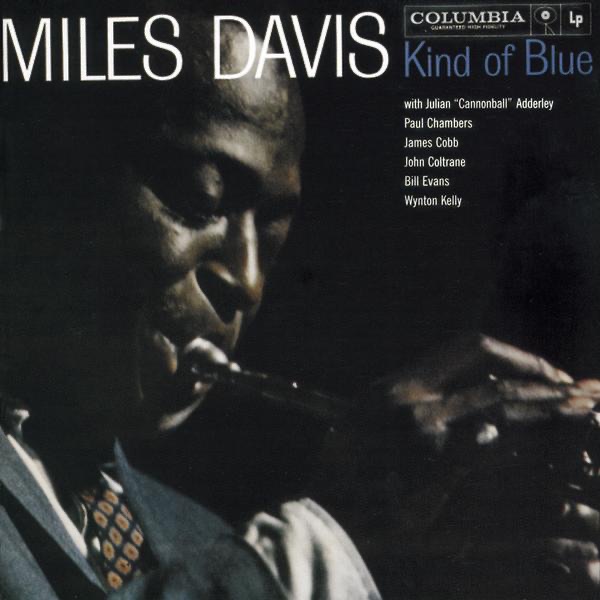
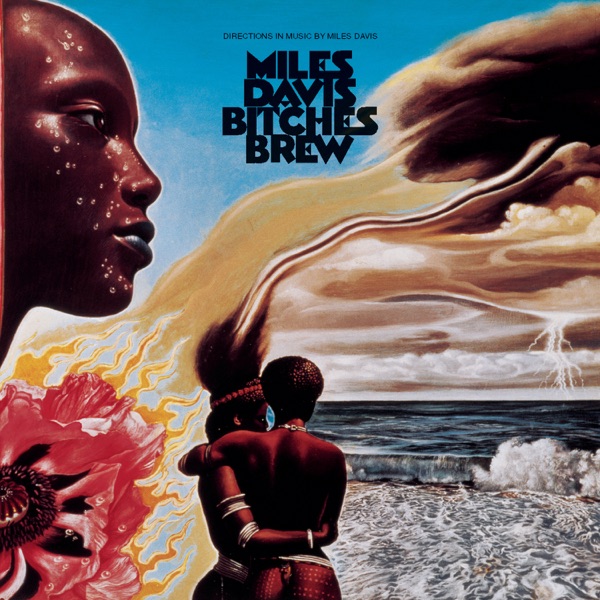


The musicians on this record

Crystal Silence 1973
Chick Corea
plays electric piano here
plays electric piano here
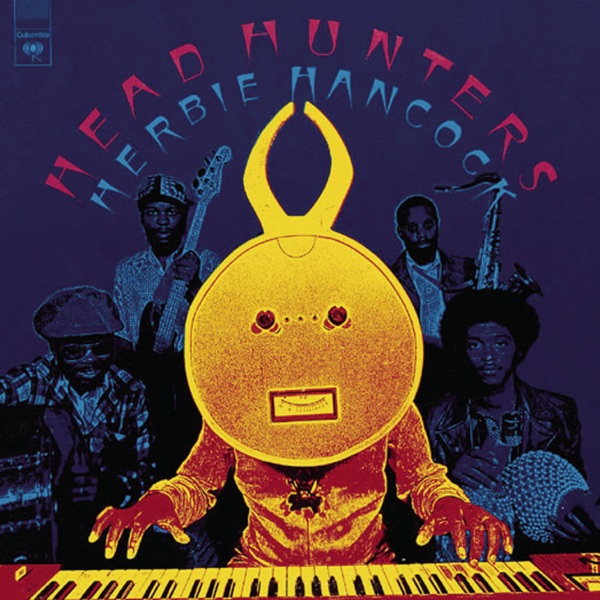
Head Hunters 1973
Herbie Hancock
plays piano here
plays piano here

The Soothsayer 1979
Wayne Shorter
plays tenor saxophone here
plays tenor saxophone here

Blues Farm 1973
Ron Carter
plays double bass here
plays double bass here


