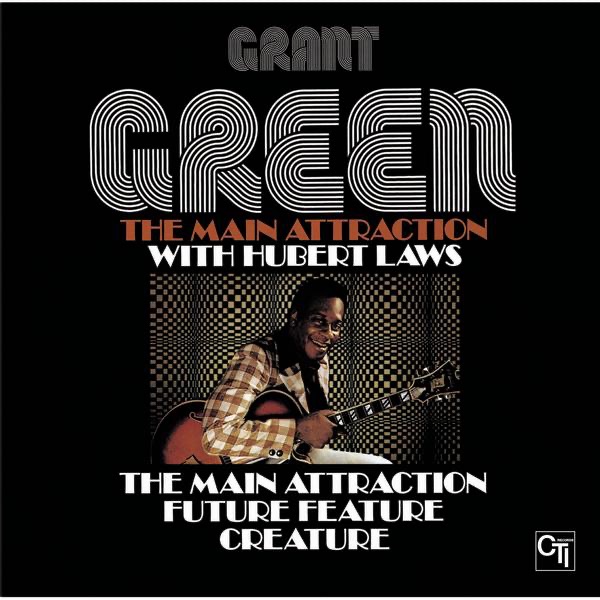
1979 · Album
The Soothsayer
Recorded 1959 · Vee-Jay Records · Produced by Ozzie Cadena

Wayne Shorter's Mysterious Paths
Shorter's compositions twist through unexpected corridors, refusing easy answers or comfortable conclusions.
The Soothsayer arrives at a moment when Wayne Shorter had already proven himself a composer of real strangeness—his writing for Art Blakey's Jazz Messengers made him stand out, all those angular melodies and harmonic left turns. This album, though, lets you hear him stepping further into his own territory, less interested in the hard-bop formulas he'd helped define and more willing to follow his instincts wherever they lead. The tracks here don't announce themselves. They're full of pauses, questions, moments where the rhythm section seems to be having a conversation with the horn line rather than supporting it.
The band assembled for these sessions includes solid players who understood what Shorter was after. The compositions themselves are what matter most here—pieces like the title track wind through moods and meters in ways that feel unpredictable but never arbitrary. There's no flash or polish meant to impress. Instead, there's the sense that Shorter was working out something private, something he needed to document. Some of these pieces have an almost classical sensibility, others feel like fragments of larger ideas. It's not always immediately rewarding, and that's kind of the point. These aren't songs built for instant gratification.
If you're coming to this fresh, it helps to know that this sits early in his journey as a bandleader and composer. It's not his most celebrated work—other records of his have aged into jazz canon more securely. But The Soothsayer captures him at a genuinely restless moment, before his later Blue Note period solidified his reputation. It's the kind of album that makes more sense the more you live with it, assuming you're willing to spend time with music that asks questions instead of providing answers.
Who's playing
Ron Carterdouble bass
McCoy Tynerpiano
Wayne Shortertenor saxophone
James Spauldingalto saxophone
Freddie Hubbardtrumpet
Tony Williamsdrums
Where next?
More by Wayne Shorter
All 24 albums →

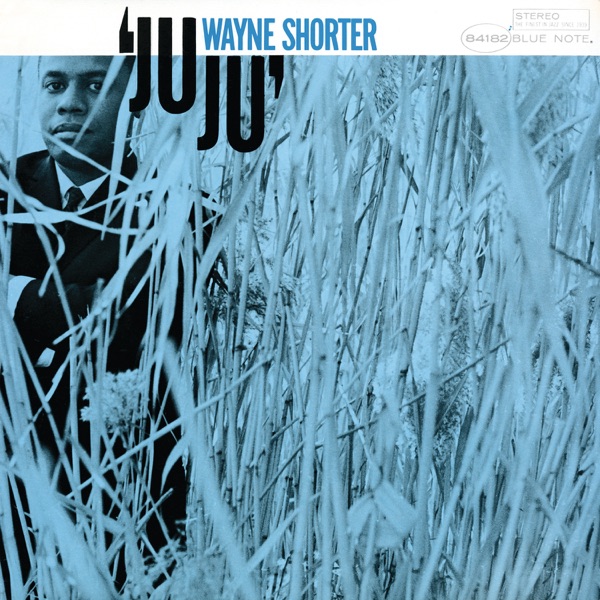

The musicians on this record

Fly With The Wind 1976
McCoy Tyner
plays piano here
plays piano here

Red Clay 1970
Freddie Hubbard
plays trumpet here
plays trumpet here
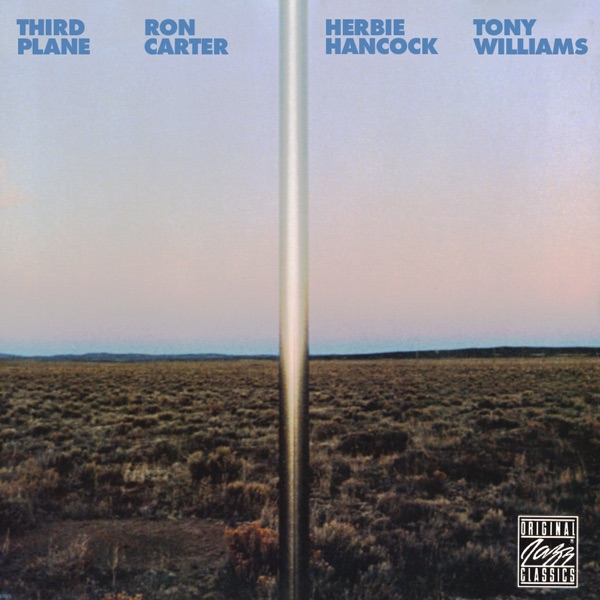
Third Plane 1978
Ron Carter
plays double bass here
plays double bass here

Believe It 1966
Tony Williams
plays drums (drum set) here
plays drums (drum set) here