Where do you listen?
Choose your streaming service
inside the sleeve
Loading…
inside the sleeveITS
⌕
Read About

♫

Facts
Connections
Read more

Discography

Collaborations

Live on Youtube

Explore Further

Selected connections
1978 · Album

Third Plane

↑ Ron Carter

Recorded 1959 · Blue Note Records · Produced by Alfred Lion
Third Plane

The Bassist as Bandleader Takes Shape

Carter steps fully into leadership here, letting the ensemble breathe around his elastic, conversational bass lines.

By the time Ron Carter recorded Third Plane, he'd already spent years in the studios and clubs of New York, playing behind some of the era's most demanding musicians. But this record marks something different — it's his statement as a bandleader, not just the guy holding down the low end. The album finds Carter working with a compact group, and what strikes you immediately is how much space he leaves in the arrangements. This isn't a showcase album where the bass player suddenly takes solos while everyone else sits back. Instead, Carter treats his own instrument as one voice in a conversation, which means the rhythm section breathes differently, the melody instruments have room to stretch, and the whole thing feels less crowded than a lot of small-group jazz from this period.

The real distinction here is Carter's touch. His bass lines don't just support the harmony — they suggest it, they push against it, they ask questions. He's not playing bebop changes the way some of his contemporaries do. There's a deliberateness to where he places notes, a kind of conversational quality that would become his signature. The tempos vary enough to keep things from feeling academic, and the choices about when to walk, when to lay out, when to lock into a groove show someone thinking carefully about bandleading.

This sits in Carter's early catalogue, before he became the most-recorded bassist in jazz history. It's not his masterpiece — that would come later. But Third Plane is worth hearing because it catches him at a specific moment: confident enough to lead, humble enough to listen, and already developing the musical intelligence that would make him indispensable for decades. If you're getting to know Carter's work, start with this one or move to it early. It's direct, it's uncluttered, and it lets you hear exactly what he's thinking.

Who's playing
Ron Carterbass
Herbie Hancockpiano
Tony Williamsdrums
Listen next
By Ron Carter
Where? 1961
Herbie Hancock's own record
Man-Child 1975
Herbie Hancock plays piano here
More Post-Bop
Double Take 1985
Woody Shaw
Recording Info
Track listing
1Third Plane
2Quiet Times
3Lawra
4Stella by Starlight
5United Blues
6Dolphin Dance
Musicians
Further Reading
Read more

Where next?

More by Ron Carter
Where? 1961
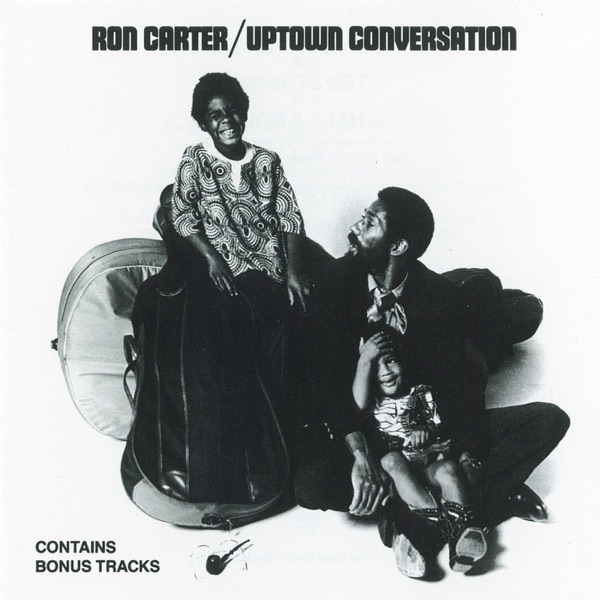
Uptown Conversation 1969
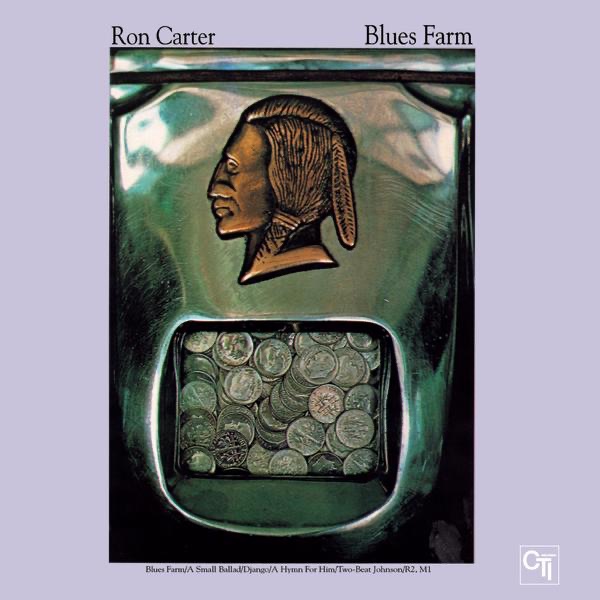
Blues Farm 1973
The Bass And I 1997
All 11 albums →
The musicians on this record
Man-Child 1975
Herbie Hancock
plays piano here
Believe It 1966
Tony Williams
plays drums (drum set) here
Their own records, close in time
More Post-Bop
Double Take 1985
Woody Shaw
Hot House Flowers 1984
Wynton Marsalis
Solar 1984
John Scofield
Duo in Paris 1975
Joachim Kühn
All 235 Post-Bop artists →

More by this artist

Albums with the same musicians

From the same era

Similar artists

inside the sleeve
Growing
Jazz, explained without pretension.
Read · Follow the connections · Press play
Right now: 7,100+ albums · 440+ artists
Start here
New to jazz? These artists are good places to start.
Loading…
Explore
Nine records worth getting lost in.
Born today
Album of the day
A landmark record, every day.
Read
  • Loading…
Article archive →
Recently added
Purpose
Inside the Sleeve is your companion on a journey through jazz — not a textbook, but something closer to a knowledgeable friend sitting next to you while you listen. Read about an artist, press play, follow a connection, discover an album you didn't know you needed.
Suggestions
Read

Articles

Essays, guides, and lists about jazz and the records that matter.

Loading…

Genre

Key Artists
Further Reading

Essential Albums

Related Genres

In This Genre

About

Inside the Sleeve

Work in progress

Inside the Sleeve grows continuously — new artists and albums are added, essays refined, as visitors explore and our editors follow up on what they find. Content, features, and design are still evolving; use the Report error button on any page to flag something that seems off.

Content

Every artist, album, and release date on Inside the Sleeve is real — verified against trusted sources including MusicBrainz and Wikipedia. We don't invent discographies or fabricate records. AI compiles that verified information into readable prose — essays on artists, albums, and the music itself. We can't manually review every essay before publishing, but every reported error is checked by a human editor.

Inside the Sleeve is not a review site. We're not here to rate or rank — we're here to guide you in. Where an album stands out, we'll say so. Where an artist changed everything, you'll know why. But we won't tear anything down. Jazz history is complex and sources sometimes disagree — if you spot something that seems off, please report it.

Streaming

Inside the Sleeve links to Spotify and Apple Music so you can listen while you read. These are not affiliate links. For Spotify, links open a search on open.spotify.com — we do not have direct links to specific recordings. For Apple Music, direct links are used where available, otherwise a search is opened.

Your choice of streaming service is stored locally in your browser only. It is never sent to our servers.

We're working on deeper Spotify integration, including direct links to specific recordings.

Privacy

Inside the Sleeve does not collect personal data and does not use cookies. We count page visits anonymously using a self-hosted analytics tool — no personal identifiers are stored, and the data never leaves our own server. The only preference stored on your device is your streaming service choice, saved locally in your browser and never transmitted.

When you submit a suggestion or error report, the text you write is stored in our database. No name or email is required or collected unless you choose to provide one.

Third-party services

Spotify and Apple Music are independent services with their own terms of use and privacy policies. Inside the Sleeve is not affiliated with or endorsed by either company.

Support

Inside the Sleeve is free and ad-free. If you enjoy it, a coffee helps cover server costs and keeps the project going.

Amazon

Some book recommendations on Inside the Sleeve link to Amazon. Buying through these links costs you nothing extra — but Amazon pays us a small commission, which goes directly towards keeping the site running. It's a simple way to support the project if you were going to buy the book anyway.

As an Amazon Associate, Inside the Sleeve earns from qualifying purchases.

Questions or feedback? Use the suggestion box on the front page.

Inside the Sleeve — A guide for those who want to go beyond the obvious About & Privacy