Infinite Possibilities at the Keyboard
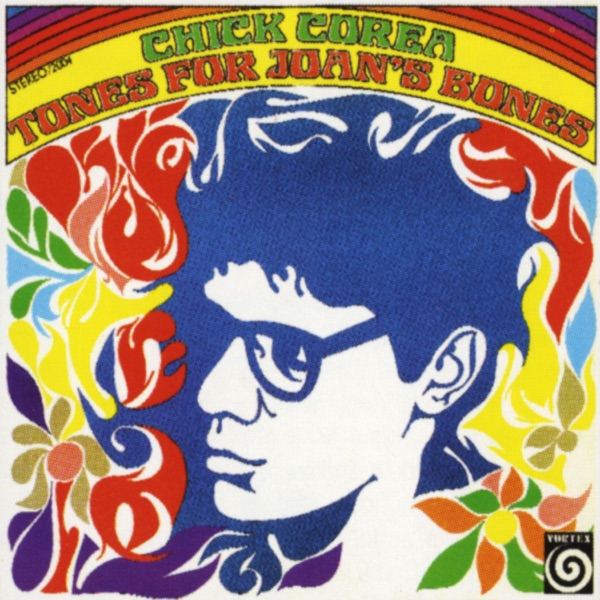
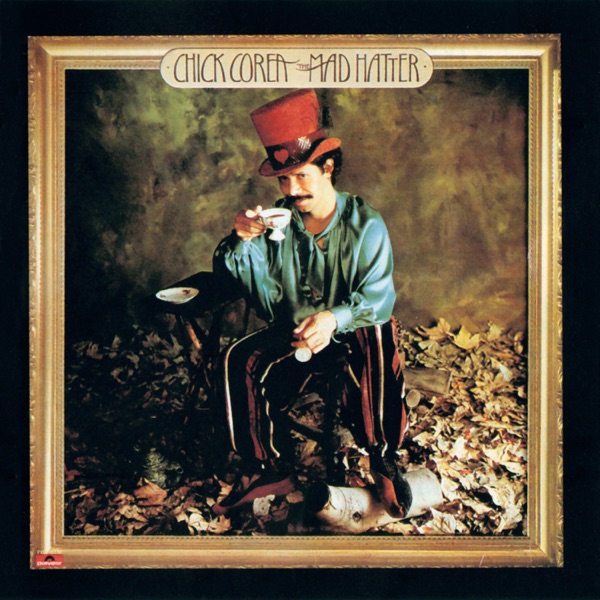
Chick Corea came up in Boston learning the bebop language from Bud Powell and Bill Evans. By the early '60s, he'd really absorbed what those guys were doing and developed this crystal-clear touch on the keys, plus he wasn't afraid to reimagine how chords could work. When he played with Hubbard and Joe Henderson in the mid-'60s, you could hear he was equally at home with straight post-bop or the free jazz experiments people were starting to explore. But everything shifted when he worked with Miles Davis on In a Silent Way (1969) and Bitches Brew (1970). Those albums made him famous and showed the world what electric jazz could actually do.
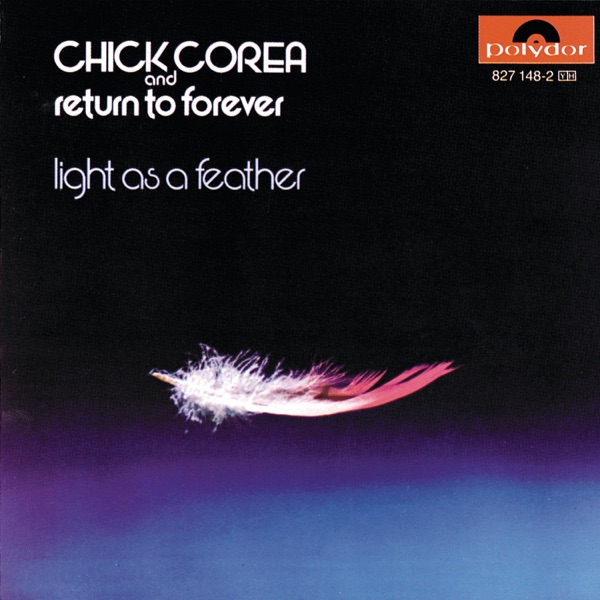
What's interesting is that Corea didn't just copy what Miles was doing. In 1972, he started Return to Forever with bassist Stanley Clarke and drummer Lenny White, and he brought Latin grooves, the warmth of Roy Ayers' vibraphone, and this Mediterranean feel into the fusion sound. The albums Light as a Feather (1973) and Hymn of the Seventh Galaxy (1973) felt smart but never cold—you could actually feel the melodies underneath all the complexity.
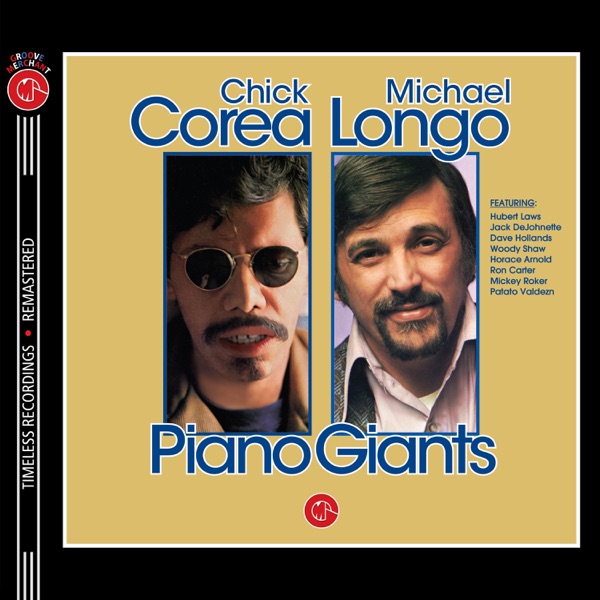
Solo, Corea showed another side of himself entirely. His take on jazz standards had real depth but also spontaneity, and original pieces like "Crystal Silence" and "Fingerprints" proved he could write beautiful, sophisticated melodies. When he played duets with other pianists or horn players, it became this conversation where both musicians kept challenging each other to go somewhere new.
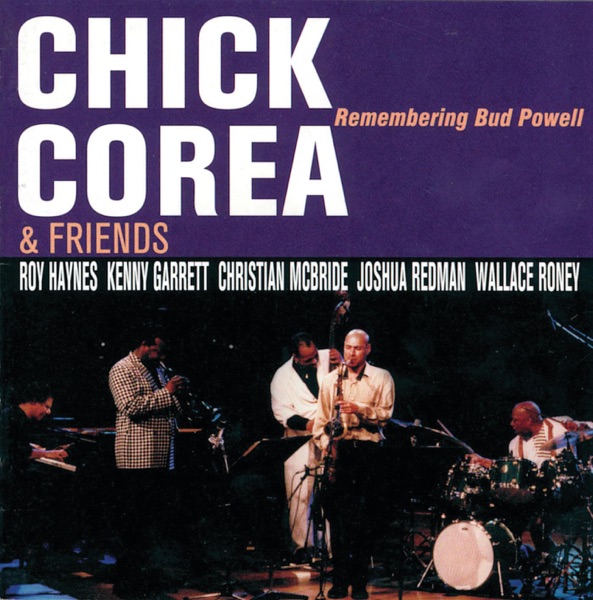
Later on, Corea kept exploring—electronic keyboards, music from around the world, always teaching younger players. His trio work with Christian McBride and Brian Blade showed his playing never got rusty or predictable. He just spent his whole life curious about what the piano could express, and he had the chops to back it up.