1978 · Album
Friends
Note: Personnel list not provided; specific recording details unavailable
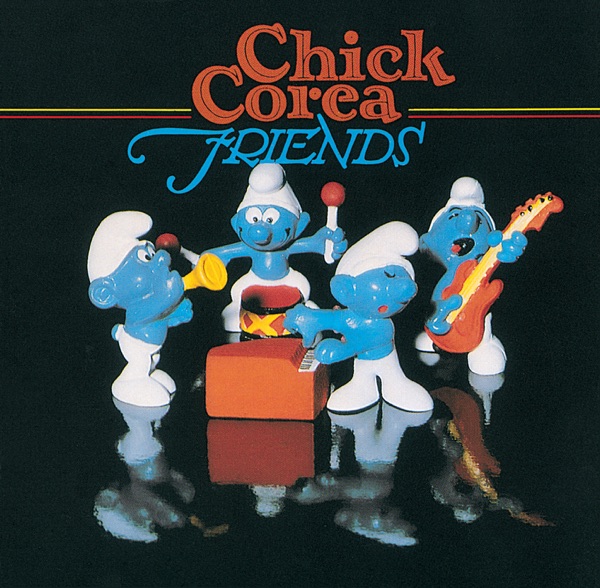
Conversations Between Musicians Who Trust Each Other
Friends captures Corea at ease, playing with people he genuinely wants to listen to.
Friends is a straightforward album about what its title suggests — musicians improvising together without pretense or agenda. Corea sounds comfortable here, which matters more than you might think. By this point in his career, he'd already proven himself technically gifted and conceptually ambitious, but Friends strips away the need to demonstrate anything. It's just people responding to each other in real time.
What makes this different from his other work is the conversational quality. There's no architecture imposed from above, no fusion agenda, no attempt to blend styles into something novel. The tunes breathe. Corea plays with restraint when restraint serves the moment, which is actually harder than dominating a session. You hear him listening — waiting for space, then filling it. The piano lines move with intention rather than flashiness. Some of the tracks sit in straightforward jazz language, and Corea doesn't feel the need to complicate that foundation.
This isn't his most celebrated recording, and it shouldn't be your entry point if you're new to Corea — start with something like Now He Sings, Now He Sobs (1968) to hear his full range. But Friends matters because it shows a player comfortable with simplicity, which is rare for someone of his abilities. There's no wasted motion here, no trying too hard. If you already know his music and want to hear Corea in a relaxed, almost private setting, this one's worth seeking out. It's the sound of a musician trusting his instincts and his bandmates.
Who's playing




