1962 · Album
Touchstone
Recorded 1962 · Original Jazz Classics · Produced by Information not confirmed

Where Chick Found His True Voice
Touchstone captures Corea at a pivotal moment, proving he could lead on his own terms.
Touchstone matters because it's Chick Corea stepping fully into his own sound, no longer someone's sideman but an architect of his own vision. By this point in his career, he'd paid his dues in various settings, but here he's calling the shots. The album has this direct, almost conversational quality—like he's not trying to impress you with technique so much as share what's actually on his mind musically. The touch is lighter than you might expect from a pianist of his obvious ability, which is exactly the point. He's learned restraint.
What you're hearing is Corea exploring how melody and space work together, how a few notes can say as much as many. The trio setting keeps everything intimate and accountable. There's no hiding behind orchestration or excess. Each track reveals something different about how he thinks—some lean toward the lyrical and almost introspective, others have snap and forward motion. It's not a concept album or a statement of principle. It's just smart, direct piano playing with real ears on the other side listening and responding. The recording itself is clean enough that you feel present in the room.
If you're already familiar with Corea, Touchstone shows you where certain ideas began, the foundation before things got more elaborate or exploratory. If you're new to him, it's not necessarily the first place to start—his later work has more immediate appeal for most listeners. But it's essential for understanding what he built on. This is a musician at a crossroads, choosing clarity over complication, and making that choice sound inevitable.
Who's playing
Carlos Benaventbass
Bob Magnussonbass
Stanley Clarkebass
Paco de Lucíaguitar
Al Di Meolaguitar
Steve Kujalatenor saxophone
Lee Konitzalto saxophone
Allen Vizzuttitrumpet
Chick Coreasynthesizer
Lenny Whitedrums
Alex Acuñapercussion, snare drum
Greg Gottliebcello
Laudir de Oliveiraganzá
Don AliasBatá drum
Carol Shiveviolin
Where next?
More by Chick Corea

Crystal Silence 1973

Romantic Warrior 1976

The Chick Corea Acoustic Band 1989
The Chick Corea Elektric Band 1986
The musicians on this record

Friday Night in San Francisco 1981
Al Di Meola
plays guitar here
plays guitar here
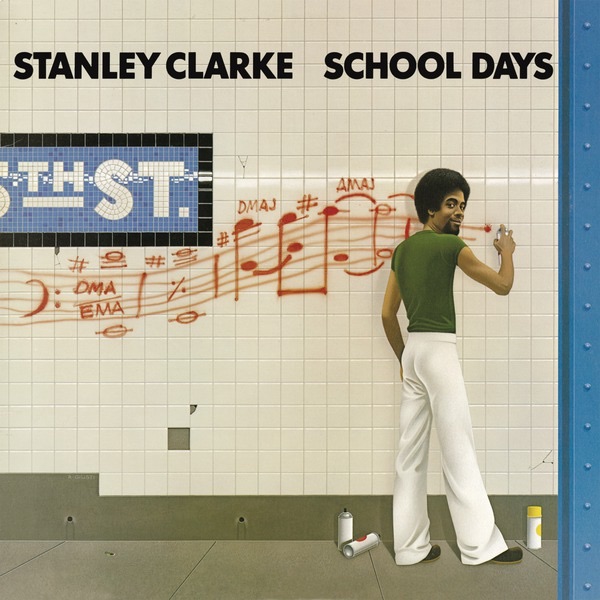
School Days 1976
Stanley Clarke
plays bass here
plays bass here

Dos guitarras flamencas en stereo 1964
Paco de Lucía
plays guitar here
plays guitar here
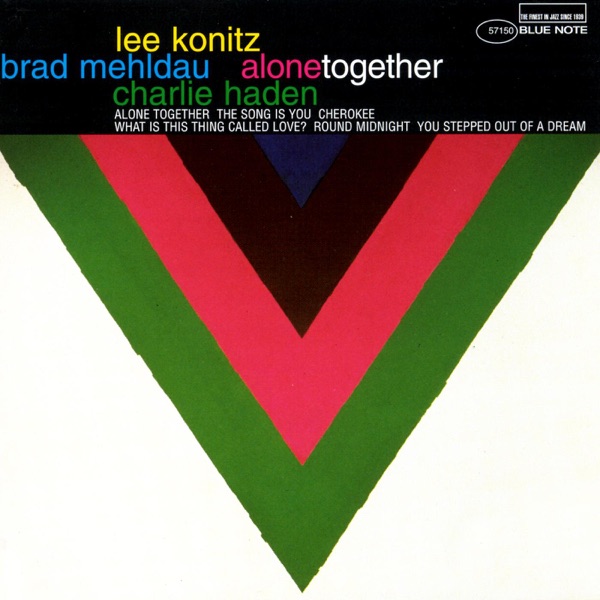
Alone Together 1959
Lee Konitz
plays alto saxophone here
plays alto saxophone here