The Uncompromising Architecture of Sound
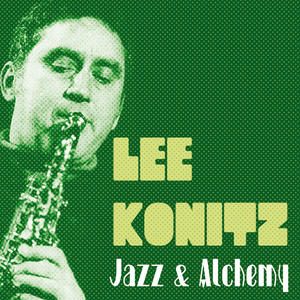
Lee Konitz came up in Chicago's jazz world in the mid-1940s doing something different. While bebop players were showing off with fast runs and big emotions, Konitz was building a quieter sound. His time studying with Lennie Tristano changed everything—Tristano taught him that jazz could be thought through like math, where each note actually belonged there. Konitz's alto sax had this clean, thin quality to it. It was nothing like the warm, full sound Charlie Parker and everyone copying him were going for. That was on purpose.
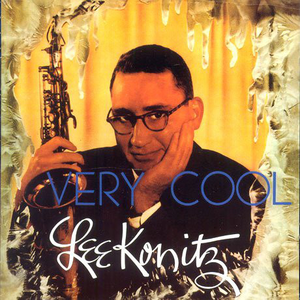
In the late '40s and early '50s, Konitz made records with Miles Davis and other musicians from Tristano's circle. Albums like "Subconscious-Lee (1959)" let you hear him work through ideas—sometimes just him and his horn, sometimes trading solos with Tristano. You could tell he was thinking hard about every choice. He played through complicated chord changes like a classical musician, but it never sounded dry or like he was showing off. There was real feeling there, just expressed differently.
What's impressive is that Konitz didn't get stuck. A lot of cool jazz guys from back then just kept playing the same thing, but he kept moving. He played beautiful duets with Warne Marsh, another Tristano student, and they had these conversations that sounded like chamber music. Later on, he worked with younger players and new sounds. He was still recording and playing when he was in his nineties, always listening to what was happening.
Konitz never got famous the way some musicians did, but other players respected him deeply. He showed that thinking carefully about harmony and melody doesn't make music cold. It's actually the opposite—when you really understand the structure, that's when you're actually free to say something real. He lived by that idea his whole life, never compromising, never chasing trends. That kind of commitment creates music that actually lasts.