1954 · Album
Jazz At Storyville
Recorded January 5, 1954 · Storyville · Produced by George Wein
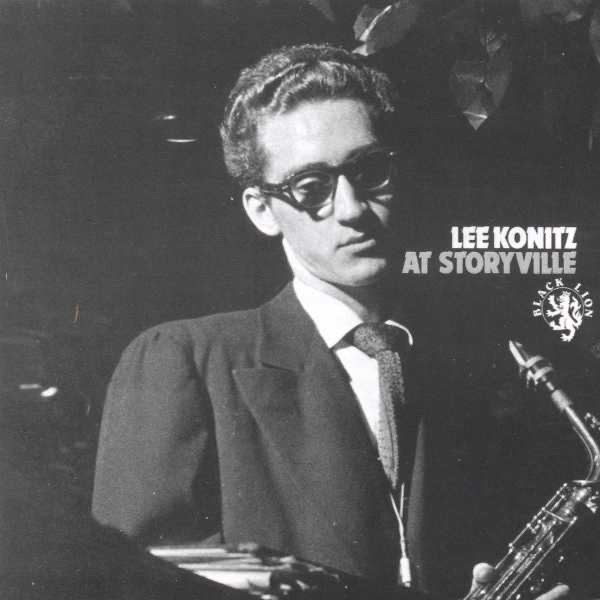
An Alto in the Nightclub Spotlight
Konitz plays with the kind of ease that comes from knowing exactly what he wants to say.
Lee Konitz showed up at a Boston nightclub on January 5, 1954, and played the kind of session that reminds you why live jazz matters. This wasn't a polished studio date with overdubs and second takes—it was one night, one room, one chance to get it right. What came out was solid alto saxophone work in a working band setting, the sort of gig that probably paid the rent and nothing more, but which George Wein's Storyville label decided was worth preserving on vinyl.
Konitz had been around the block by this point. He'd played bebop, worked in cool school circles, and developed a tone that sat somewhere between intellectual and warm. On this recording, you hear a musician comfortable in his own skin, not trying to prove anything, just playing the tunes and making them swing. The alto cuts through without being sharp; there's an intelligence to his phrasing without any of that brittle perfection that can make cool jazz feel cold. The rhythm section holds down what you need—no fireworks, no attempt to steal the show, just the working foundation a good horn player requires.
This sits somewhere in the middle of Konitz's catalog—not a defining moment, not the album everyone circles back to, but a genuine document of what he could do on any given night. If you're already into Konitz, this is worth seeking out as proof that his appeal went beyond the studio sessions. If you're coming to him for the first time, his other work from this era might grab you harder. But there's something honest about a live recording that just lets the musician do his job. Konitz does it well here.
Where next?
More by Lee Konitz
All 15 albums →