1959 · Album
Miles Davis and the Modern Jazz Giants
Recorded 1956-1957 · Columbia Records · Produced by George Avakian

Thelonious Monk's Shadow Over Miles
Monk's angular piano work pushes Davis into unfamiliar territory, making this album feel like a collaboration rather than a session.
What makes Miles Davis and the Modern Jazz Giants (1959) different from Davis's other work is the presence of Thelonious Monk at the piano. Monk doesn't accompany here — he challenges. His approach to harmony and rhythm sits at odds with what Davis's trumpet wants to do, and that friction is the album's real subject. Where red Garland might provide a smooth bed for Davis's solos, Monk creates obstacles. His comping is sparse, angular, unpredictable. Davis has to find his phrasing around Monk's silences and unexpected chord voicings, which means the trumpet lines feel sharper, more deliberate. John Coltrane on tenor saxophone responds to the same pressure, and you can hear him working harder, digging deeper into his lines.
This isn't Miles at the height of his popularity or playing it safe. By this point in his career he was confident enough to welcome a pianist who wouldn't defer to him. Paul Chambers on bass and Philly Joe Jones on drums provide the spine, keeping the sessions grounded even when Monk and Davis are pulling in different directions. The album works because nobody's trying to smooth anything over. The tunes breathe in unexpected ways, and the solos feel earned rather than automatic.
It's the kind of record that matters most to musicians and serious listeners. It didn't dominate commercial charts, but it showed that Davis could generate real conversation in the studio, that the best sessions happened when the players actually had something to argue about through their instruments.
Who's playing
Percy Heathbass
Paul Chambersdouble bass
Thelonious Monkpiano
Red Garlandpiano
John Coltranetenor saxophone
Miles Davistrumpet
Kenny Clarkedrums
Philly Joe Jonesdrums
Where next?
More by Miles Davis
All 59 albums →
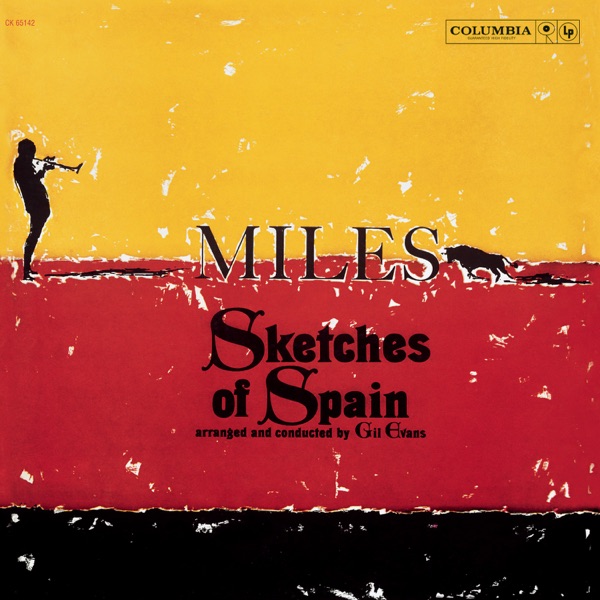
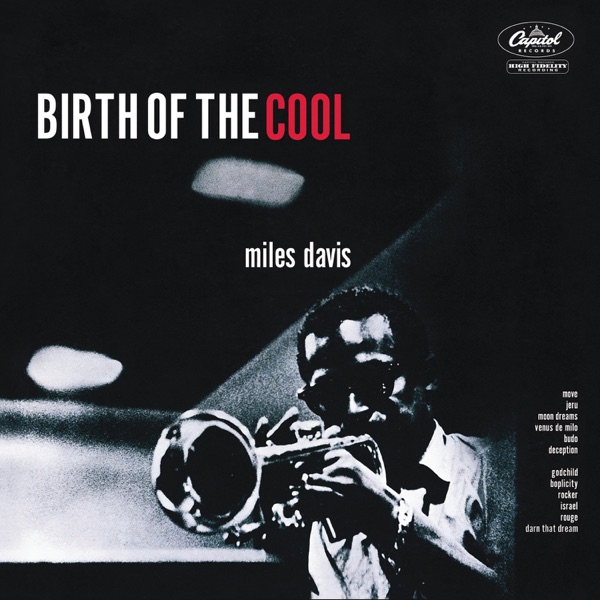
The musicians on this record

Giant Steps 1960
John Coltrane
plays tenor saxophone here
plays tenor saxophone here

Brilliant Corners 1957
Thelonious Monk
plays piano here
plays piano here

Kenny Drew Trio 1957
Philly Joe Jones
plays drums (drum set) here
plays drums (drum set) here

Red in Blues-Ville 1959
Red Garland
plays piano here
plays piano here