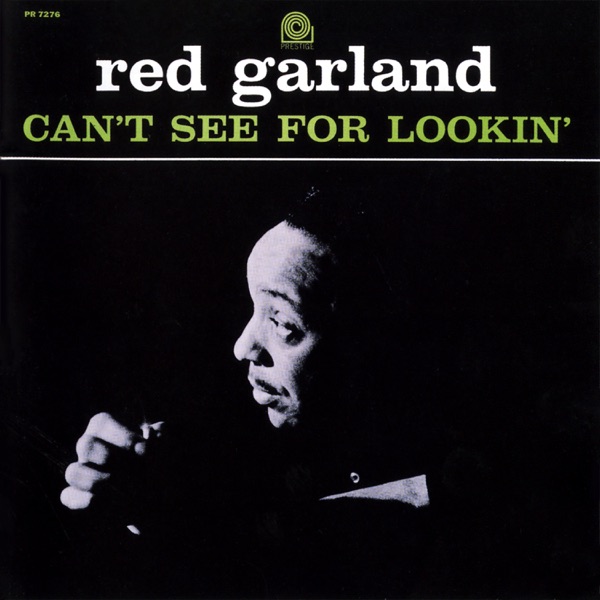
The Groove Everybody Borrowed
Before Red Garland became the go-to pianist for half the hard bop records coming out of Prestige in the late 1950s, he was a boxer. That's not just a colorful footnote — it tells you something about how he approached the piano. He had a physicality to his playing, a confidence in how he placed his hands, that felt less like someone showing off and more like someone who knew exactly what they were doing and wasn't in a hurry to prove it.
The Miles Davis quintet years from 1955 to 1958 are where most people first encounter him, and for good reason. That band — with John Coltrane, Paul Chambers, and Philly Joe Jones — was something else, and Garland fit into it like he'd always been there. He gave the rhythm section a cushion without stepping on anyone. His comping was supportive without being busy, and when he soloed, he had this trick of locking his two hands together in those block chords that just knocked you sideways. Miles Davis reportedly loved it, and you can hear why on records like Cookin' with the Miles Davis Quintet (1956) and Relaxin' with the Miles Davis Quintet (1956).
His own records for Prestige during the same period are where you really get to know him, though. Red Garland's Piano (1957) is a good place to start — it's warm and swinging and doesn't waste a note. He had an affinity for popular tunes, ballads, show tunes, the kind of material a lot of serious jazz musicians at the time were turning their noses up at. Garland played them straight and made them his own without any fuss. He also recorded a string of trio records that hold up beautifully: the interplay with Paul Chambers on bass is as easy and natural as anything from that era.
He had a real feel for the blues, and that's probably the thing that kept his playing from ever sounding cold or purely technical. Even when he was working through a complex bebop tune, there was something rooted and soulful in how he phrased. It connects him to the soul jazz current that was running through a lot of African American music in the late 1950s and early 1960s, even when the tunes he was playing didn't fit neatly into that category. Wynton Kelly is probably his closest spiritual cousin in that regard, though they had different sounds.
He went back to Dallas in the 1960s and largely stepped away from recording and touring, which is probably why he's sometimes treated as a supporting character in his own story. He returned to recording in the 1970s and made some solid records that remind you the chops never really left. He didn't revolutionize the instrument or pioneer a new direction. What he did was play with a consistency and natural swing that a lot of pianists spend their whole careers chasing and never quite catch.