1957 · Album
Cookin' with the Miles Davis Quintet
Recorded May 11 and October 26, 1956 · Prestige Records · Produced by Not specified in verified sources

Five Men in a Studio, Completely in Sync
Miles Davis and his quintet playing like they could read each other's minds, no second takes needed.
By 1956, Miles Davis had already made his mark, but Cookin' captures something he was still figuring out — how to lead a small group where everyone gets room to breathe and nobody wastes a note. The quintet here — John Coltrane on tenor, Red Garland on piano, Paul Chambers on bass, and Philly Joe Jones on drums — recorded these tracks at Rudy Van Gelder's studio in Hackensack, New Jersey, under tight budget constraints that forced them to play with the focus of a live session. There were no retakes, no safety net.
The result is direct and urgent. Lindsay Planer of AllMusic heard it plainly: a telepathic cohesion where each musician reacts with ingenuity and precision, one solo feeding into the next without hesitation. Tracks like "Airegin" and "Tune Up" show how far bebop had matured by the mid-1950s — these aren't showoff vehicles but conversations. Coltrane is still finding his voice here, less tenor-heavy than he'd become, and Garland keeps the trio grounded without overplaying. The rhythm section locks in so completely that it sounds inevitable, not labored.
Cookin' was one of four albums pulled from those two sessions in 1956, released in 1957 on Prestige Records. It's not Davis's boldest statement — that would come later — but it's one of his most assured. This is a working band at full confidence, and the album has held up because the playing never relies on studio tricks or fashion. Just five musicians in a room, playing well.
Who's playing
Paul Chambersdouble bass
Red Garlandpiano
John Coltranetenor saxophone
Miles Davistrumpet
Philly Joe Jonesdrums
Where next?
More by Miles Davis
All 59 albums →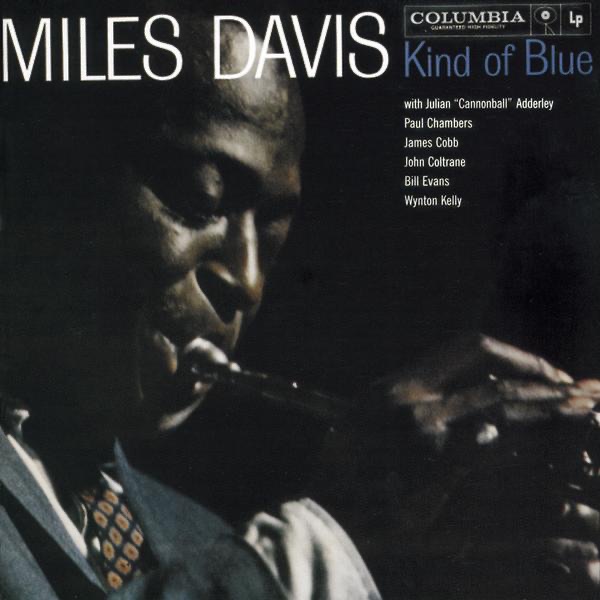
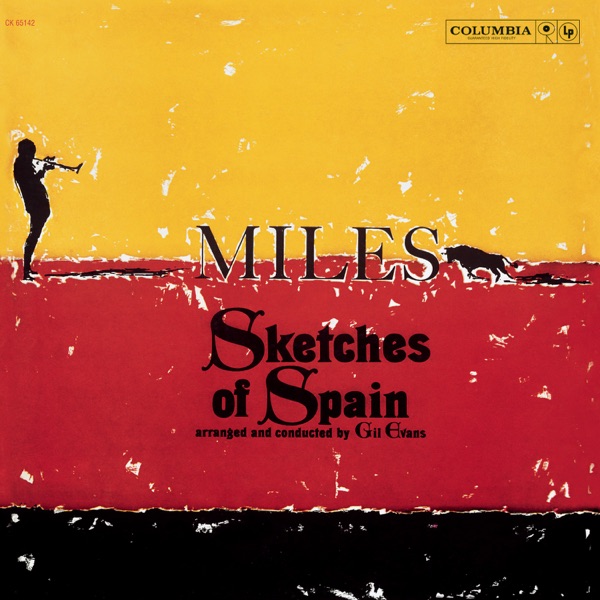
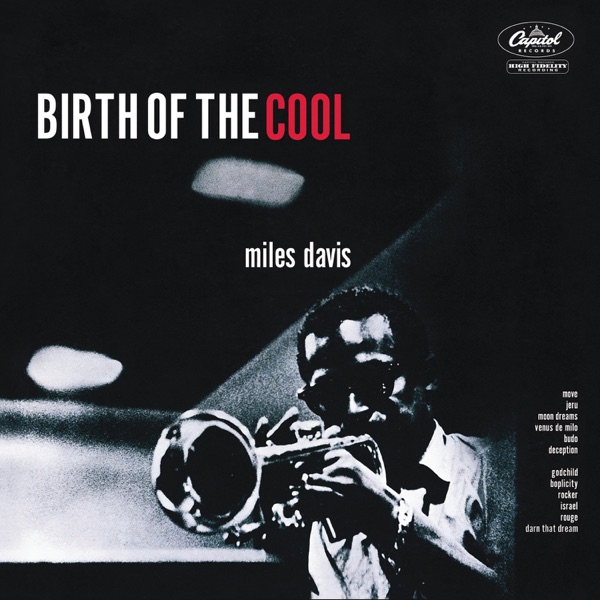
The musicians on this record

Giant Steps 1960
John Coltrane
plays tenor saxophone here
plays tenor saxophone here

Kenny Drew Trio 1957
Philly Joe Jones
plays drums (drum set) here
plays drums (drum set) here

Red in Blues-Ville 1959
Red Garland
plays piano here
plays piano here