1957 · Album
Brilliant Corners
Recorded 1956-1957 · Riverside · Produced by Orrin Keepnews · Released: 1957

Monk's Angular Vision Reshapes Jazz Harmony
Brilliant Corners stands as Monk's radical reimagining of what jazz composition could achieve.
Thelonious Monk's Brilliant Corners (1956) is one of those rare albums that changed how people thought about jazz, and once you sit with it for a while, you understand why. Released on Riverside, it came out when Monk was finally getting the recognition he deserved after spending years playing in obscurity. The title track kicks things off with chords and melodies that seem deliberately off-kilter—nothing resolves where you'd expect it to. But here's the thing: underneath all that strangeness, there's real control. Monk plays the piano like he's building something, not just playing notes. He knows exactly what he's doing.
What makes this album stick with you is that Monk doesn't write easy songs. Every composition here twists back on itself in unexpected ways. The melodies don't go where you think they should, and the rhythms are slippery—musicians are coming in at odd moments that somehow work. It's like Monk is speaking a different language than everyone else in the room, but instead of it falling apart, the band locks in anyway. There's this feeling of creative friction, like everyone's pushing against each other but in a way that creates something real.
These sessions capture Monk at his most uncompromising. He's not interested in making things simple or commercial. His band has to work hard, following his compositions through all their twists and turns while still playing with genuine emotion. There's something stripped-down and honest about these recordings. Monk seems to be asking: what does jazz actually need? And then he builds it back up his own way. Even now, Brilliant Corners (1956) doesn't feel dated or overly intellectual—it just feels like Monk refusing to make concessions, creating something that lasts because it's real.
Who's playing
Oscar Pettiforddouble bass
Paul Chambersdouble bass
Thelonious Monkpiano
Ernie Henryalto saxophone
Sonny Rollinstenor saxophone
Clark Terrytrumpet
Max Roachdrums
Where next?
More by Thelonious Monk
All 22 albums →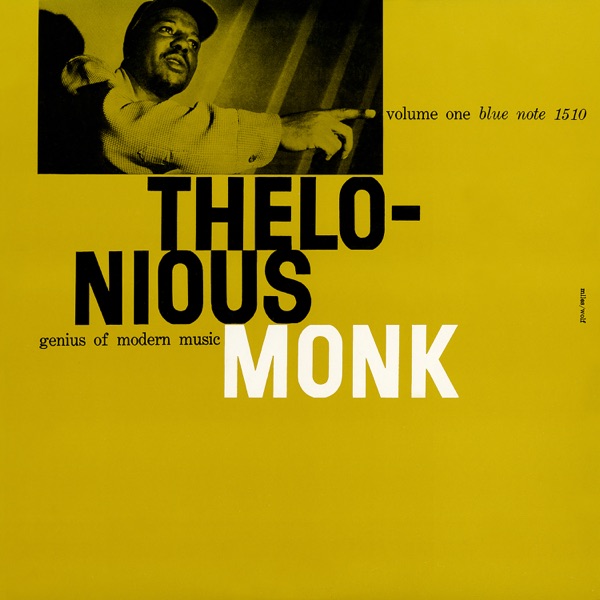

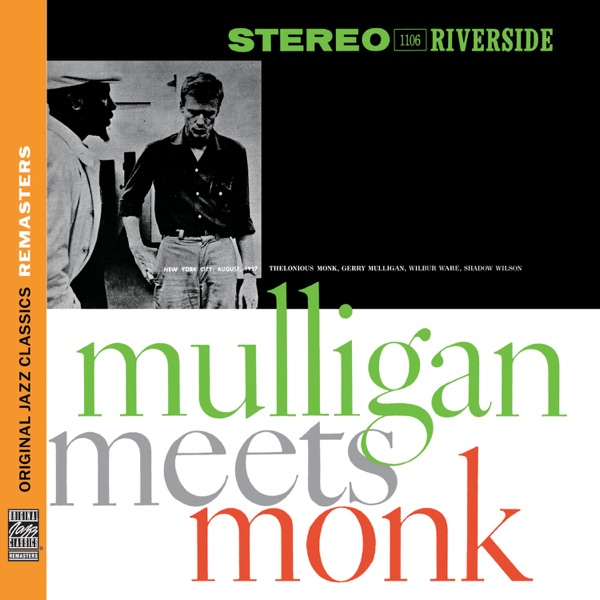
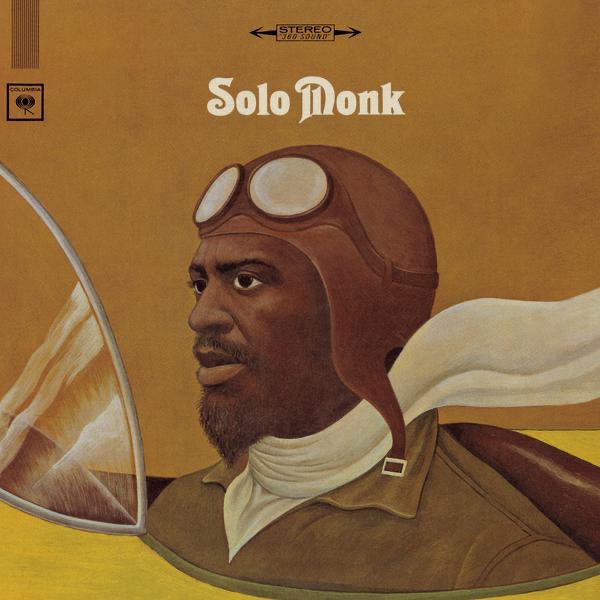
The musicians on this record
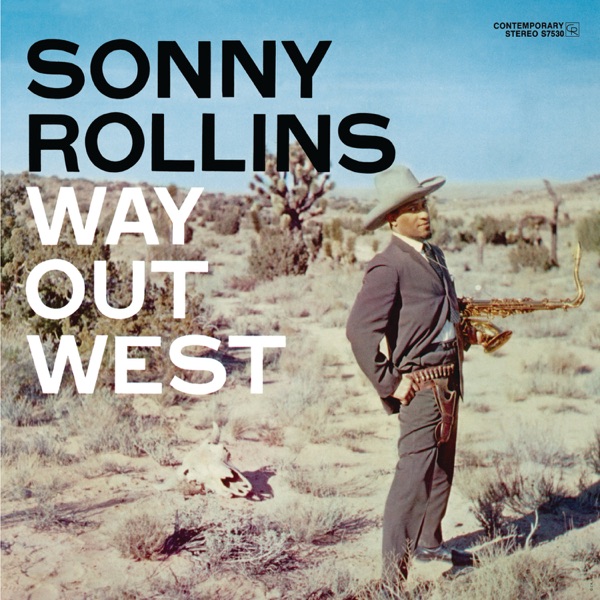
Way Out West 1957
Sonny Rollins
plays tenor saxophone here
plays tenor saxophone here

Deeds, Not Words 1958
Max Roach
plays drums (drum set) here
plays drums (drum set) here

Oscar Pettiford Modern Quintet 1955
Oscar Pettiford
plays double bass here
plays double bass here



