1951 · Album
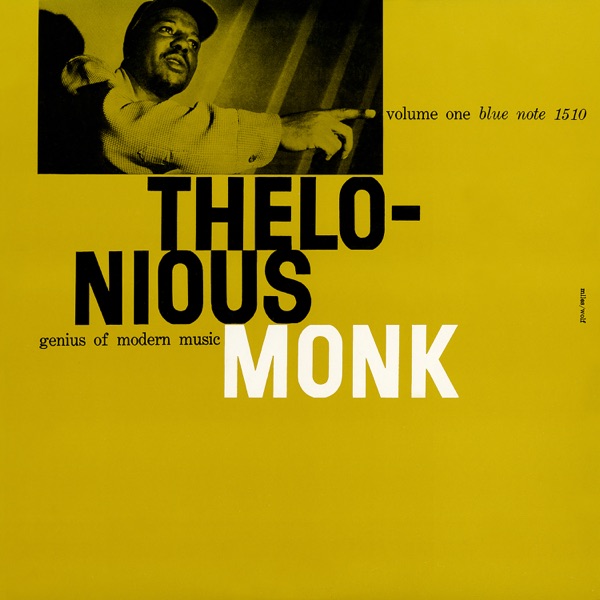
Genius of Modern Music, Volume 1
Recorded 1947 · Prestige Records · Produced by Bob Weinstock
Monk's Crooked Path to Genius
These recordings show Monk thinking in angles and spaces nobody else could hear yet.
When Thelonious Monk recorded Genius of Modern Music, Volume 1 (1947), he was still fighting to be heard. These sides capture him early in his career, playing with Art Blakey on drums and Gary Mapp on bass, and the energy is restless—Monk jabbing at the piano like he's arguing with it, pulling out shapes that don't fit anywhere else in jazz. The tunes are his own compositions, which already set him apart. Most pianists of the era were busy building on what Teddy Wilson and Count Basie had established. Monk was building something else entirely.
What's striking here is how unfinished everything sounds, not in a bad way but like you're hearing a man discovering his language in real time. "Round Midnight" hasn't yet become the standard it would be—it's rawer, more awkward, more genuinely strange. The rhythmic displacement, the way Monk sits behind or ahead of the beat, the gaps he leaves in the music—it all feels like he's teaching us to listen differently. He's not trying to impress you with technique. He's trying to show you something.
This isn't the place to start with Monk, honestly. You need to hear him when he's settled into his sound, when the weirdness has become more intentional—Monk's Dream (1962) or his Blue Note sessions show his language more fully formed. But if you're already convinced of his genius and want to understand where it came from, these early takes are essential. They're proof that nobody gets famous by playing it safe, and that the hardest music to understand on first listen is often the truest.
Who's playing
Gene Rameydouble bass
Thelonious Monkpiano
Billy Smithtenor saxophone
Danny Quebec Westalto saxophone
Idrees Suliemantrumpet
Art Blakeydrums
Where next?
More by Thelonious Monk
All 22 albums →

The musicians on this record
Their own records, close in time