The Space Between the Notes
Basie came up through the Kansas City scene of the late 1920s and 1930s, a world of after-hours jam sessions, blues-soaked grooves, and a rhythm-first approach that set the city apart from New York. When he eventually did take his band east and started recording, it was clear this wasn't just another swing orchestra. The Kansas City thing was in the DNA — riff-based, bluesy, built for dancers, with soloists who had room to stretch out.
The rhythm section was the engine of everything. Freddie Green on guitar played four-to-the-bar his entire career with the band — no solos, no flash, just the most reliable pulse in jazz. Alongside him, drummer Jo Jones helped redefine swing drumming, shifting the pulse from the bass drum to the hi-hat and giving the music a lighter, more flowing feel. Paired with bass, they created a rolling, elastic feel that gave the horn players something almost irresistible to play over. People talk about bands that swing, but the Basie band had a specific kind of swing — relaxed and heavy at the same time, like it was effortless and inevitable.
On piano, Basie is one of the great lessons in restraint. He came from a stride background, influenced by Fats Waller and James P. Johnson, but somewhere along the way he stripped it all down. A single chord, perfectly timed. A little run that sets up a soloist. He knew when to stay out of the way. It's almost counterintuitive — the bandleader who leads by doing less — but it worked because his ears were impeccable and his timing was perfect.
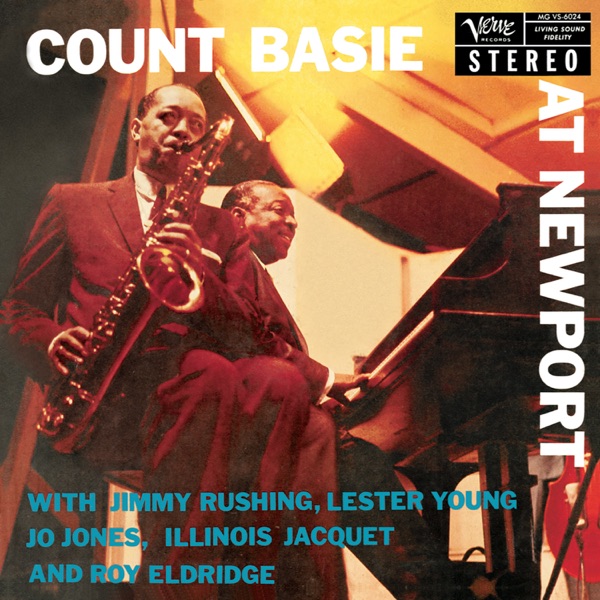
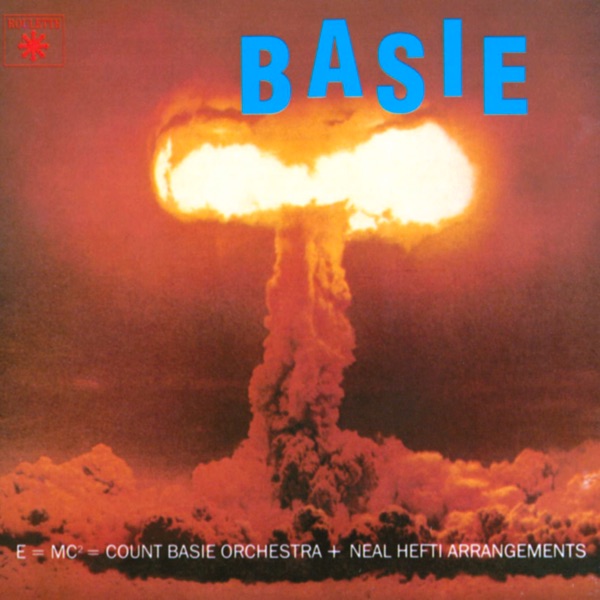
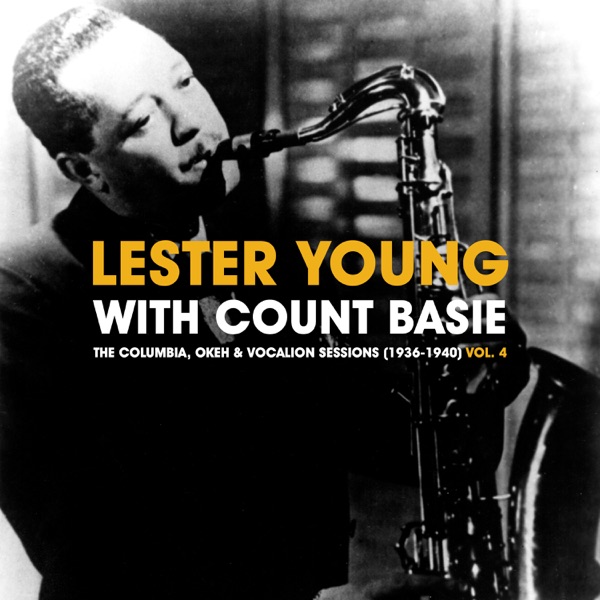
The band went through different phases. The original 1930s and 40s edition featured heavyweights like Lester Young, whose cool, laid-back tenor saxophone was almost the polar opposite of the prevailing hot style, and Buck Clayton on trumpet. Then there's the later version from the 1950s onward — sometimes called the New Testament band — which was tighter, more arranged, less about the individual blowing session and more about the ensemble as a precision instrument. Neal Hefti and Sammy Nestico wrote some of the defining charts for that era.
If you're coming in fresh, start with The Atomic Mr. Basie (1958), the Hefti-arranged record that basically defines what a big band can sound like when everything clicks. Then go back to the late 1930s Decca and Columbia recordings to hear how it all started — rawer, more spontaneous, Lester Young floating over the top of everything. Basie's appeal is that the music never sounds like it's trying too hard. It just moves.