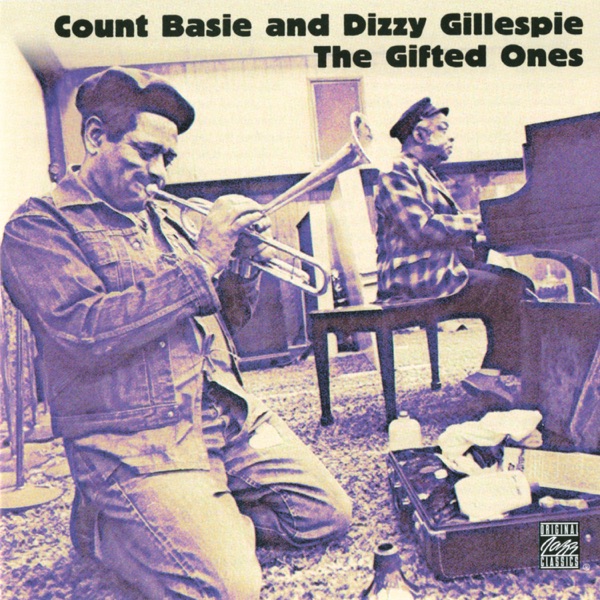
When Two Masters Shared the Bandstand
Basie and Gillespie held firm ground together, rich in tradition and contemporary reach.
The Gifted Ones brought together two figures who had shaped jazz from different angles—Count Basie with his blues-rooted swing machine, Dizzy Gillespie with his bebop vocabulary and harmonic restlessness. What happened when they occupied the same room and played together was less a collision than a conversation between equals who respected what the other had built. The session itself became the point: two bandleaders, their rhythms, their ears, their willingness to bend toward each other without either one giving ground.
The album doesn't pretend to be a landmark. Critics at the time understood that. DownBeat reviewer John McDonough captured the reality plainly: "If there is no special higher ground reached through this welcome partnership, at least the ground that is held to firmly is rich in both tradition and contemporary wealth." That's exactly what it is—solid footing, the work of musicians who knew how to swing and still had something to say. Basie's band keeps its shape and economy. Gillespie doesn't overwhelm; he finds spaces to land.
This is a late-career record for both men, and it functions as a checkpoint rather than a turning point. If you're building a collection of either artist, this belongs in the room, but it's not where you start. Come here after you've heard April in Paris (1956) or Dizzy Gillespie and the Double Six of Paris (1963)—after you know what each man sounded like alone.
Who's playing
Where next?
More by Count Basie
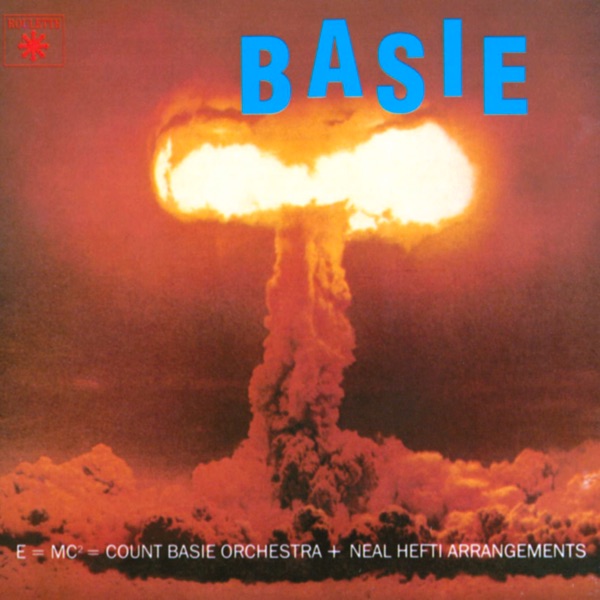
The Atomic Mr. Basie 1958
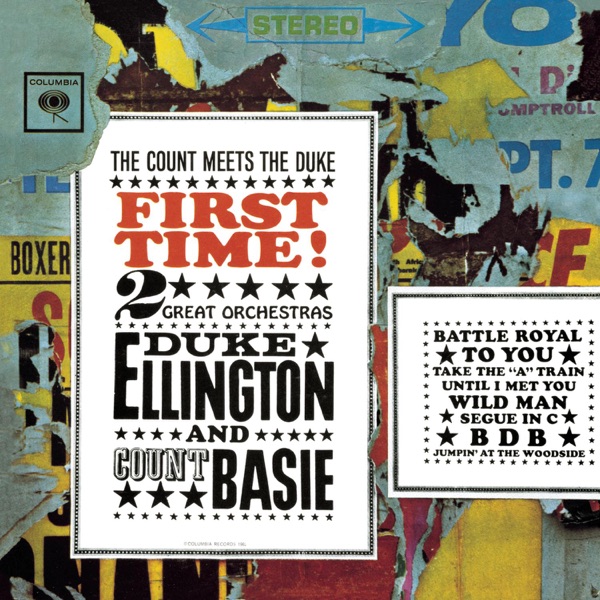
First Time! The Count Meets the Duke 1961

Arthur Prysock / Count Basie 1966

Sammy Davis & Count Basie: Our Shining Hour 1965
The musicians on this record
♫
Jazz Maturity... Where It's Coming From 1978
Ray Brown
plays double bass here
plays double bass here

Free Ride 1977
Dizzy Gillespie
plays trumpet here
plays trumpet here