1966 · Album
Arthur Prysock / Count Basie
Recorded 1959 · Roulette Records · Produced by Not definitively verified

Two Voices in the Basie Tradition
Prysock's baritone settles into the Basie sound like he belonged there all along.
Arthur Prysock was a ballad singer with a deep, unhurried baritone — not flashy, not trying to prove anything, just a guy who knew how to sit on a note and make you listen. When he recorded with the Count Basie Orchestra, you get exactly what you'd expect: a vocalist who understands swing rhythm, a band that knows how to support a singer, and the kind of straightforward collaboration that doesn't need explaining. Prysock wasn't a jazz soloist; he was a singer, which is a different thing entirely, and the orchestra treats him that way — solid, supportive, never stepping on the lyric.
The band under Basie's direction in this period was still a powerhouse. By the late 1950s, Basie had moved beyond the raw energy of his earlier years toward something more refined, more arranged, but no less swinging. The horns snap into place, the rhythm section locks in tight, and there's real space in these arrangements. This isn't a small group date; it's a full orchestra, and you can hear every section doing its job. Prysock's voice moves through these pieces with the kind of ease that suggests a lot of rehearsal and mutual respect.
This is a solid catalog entry for both artists — respectable, professional, and honestly pretty enjoyable if you like this era of big band and classic ballad singing. It's not a peak moment for either one, but it's the kind of album that works exactly as intended. Not essential, but worth spinning if you're exploring Basie's many collaborations or discovering Prysock for the first time. Start with Basie's earlier small group recordings if you want the revolutionary stuff; come here for the orchestral polish and Prysock's warm, undemanding delivery.
Who's playing
Norman Keenanbass
Count Basiepiano
Freddie Greenguitar
Al Aaronstrumpet
George Cohntrumpet
Wallace Davenporttrumpet
Phillip Guilbeautrumpet
Henderson Chamberstrombone
Henry Cokertrombone
Al Greytrombone
Bill Hughestrombone
Grover Mitchelltrombone
Grady Tatedrums
Rufus Jonesdrums
Eddie “Lockjaw” Davisreeds
Eric Dixonreeds
Charlie Fowlkesreeds
Bobby Platerreeds
Marshall Royalreeds
Where next?
More by Count Basie
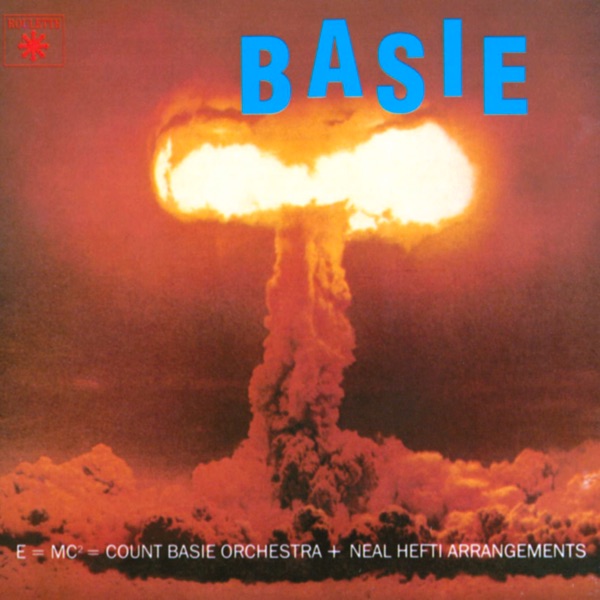
The Atomic Mr. Basie 1958
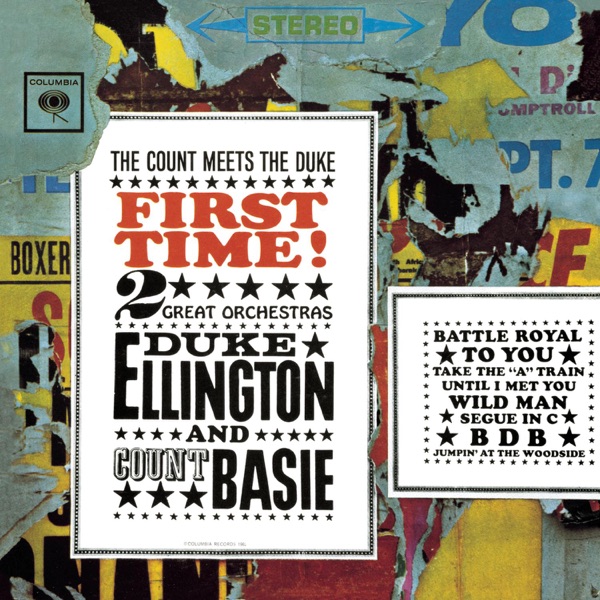
First Time! The Count Meets the Duke 1961

Sammy Davis & Count Basie: Our Shining Hour 1965
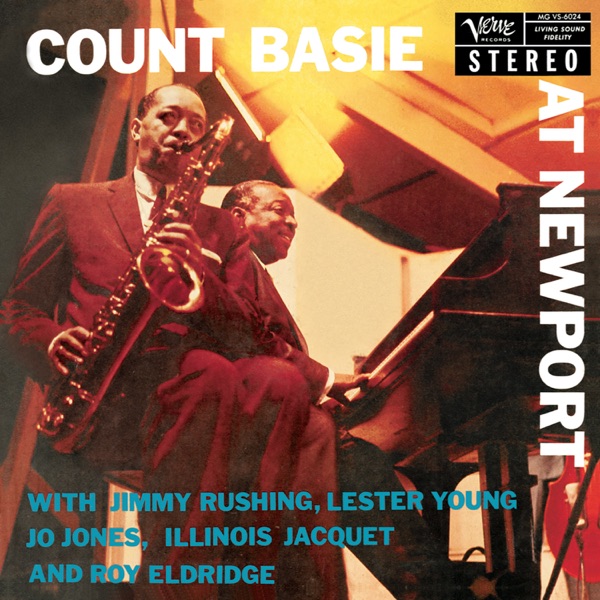
At Newport 1957
The musicians on this record
Their own records, close in time