1958 · Album
The Atomic Mr. Basie
Recorded 1958 · Roulette Records · Produced by Teddy Reig
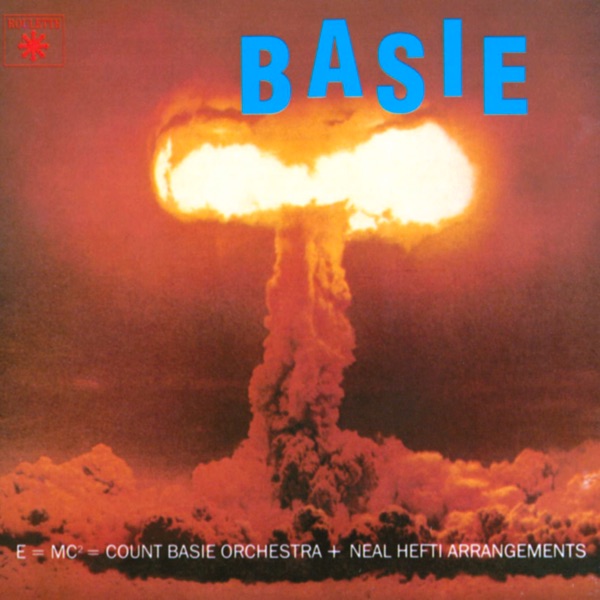
Neal Hefti's Blueprint for Basie's Future
Hefti's arrangements turned the Basie sound into something sleek, urgent, and impossibly modern for 1958.
Neal Hefti didn't just write charts for this album—he remade what a big band could sound like in the late 1950s. Where Basie's earlier recordings leaned on blues changes and head arrangements, Hefti brought structural sophistication and rhythmic invention that felt almost orchestral without losing the swing. The arrangements are tight, economical, and restless; they push rather than coast. AllMusic reviewer Bruce Eder nailed it when he said the album "took Basie's core audience and a lot of other people by surprise, as a bold, forward-looking statement within the context of a big-band recording." This is what that forward-looking quality actually meant: Hefti's hand throughout, modernizing without coldness.
The collaboration paid off immediately. The album won Grammys for Best Jazz Performance, Group and Best Performance by a Dance Band at the 1st Annual Grammy Awards, and the critical consensus—including a perfect four-star rating from The Penguin Guide to Jazz—confirmed what listeners heard: this was Basie at the height of his powers, not resting on reputation but pushing. The Penguin Guide's reviewer called it "Basie's last great record," and whether or not you accept that verdict, the album's energy and precision never waver across its length.
If you're new to Count Basie, start here. This is the album to understand why he mattered in 1958 and beyond. It's neither his blues-soaked beginning nor a nostalgic callback—it's Basie and Hefti solving the problem of how a big band stays essential in the modern jazz landscape. The success led Basie and Hefti to record again six months later, but this first collaboration remains the definitive statement of what they could do together.
Who's playing
Eddie Jonesdouble bass
Count Basiepiano
Ralph Sharonpiano
Freddie Greenguitar
Eddie “Lockjaw” Davistenor saxophone
Frank Fostertenor saxophone
Charlie Fowlkesbaritone saxophone
Marshall Royalalto saxophone
Wendell Culleytrumpet
Thad Jonestrumpet
Joe Newmantrumpet
Snooky Youngtrumpet
Henry Cokertrombone
Al Greytrombone
Benny Powelltrombone
Sonny Paynedrums
Frank Wesswoodwind
Where next?
More by Count Basie
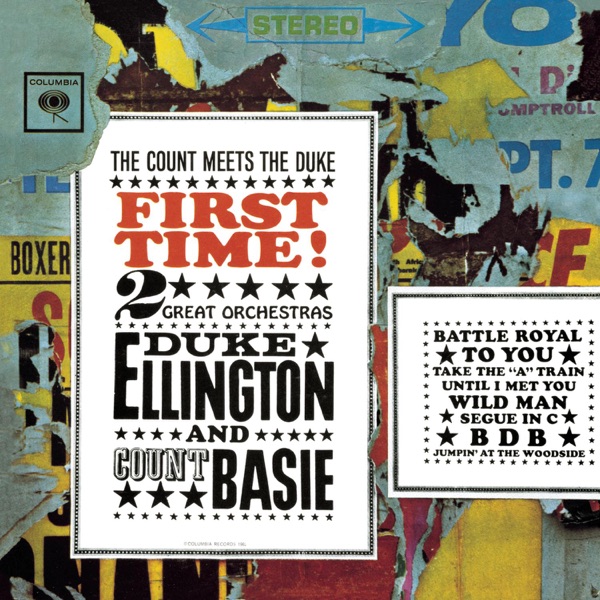
First Time! The Count Meets the Duke 1961

Arthur Prysock / Count Basie 1966

Sammy Davis & Count Basie: Our Shining Hour 1965
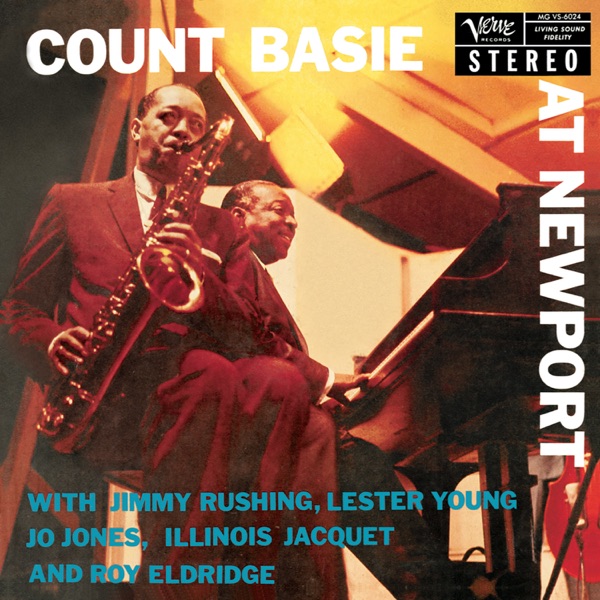
At Newport 1957
The musicians on this record
Their own records, close in time