1956 · Album
The Greatest! Count Basie Plays...Joe Williams Sings Standards
Recorded 1959 · Roulette Records
Basie at Fifty: Voice and Piano in Balance
By the late 1950s, Basie had nothing left to prove—this album shows a bandleader secure enough to step back.
By the time Basie recorded with Joe Williams, he had already spent two decades shaping big band jazz, testing arrangers, building his sound around rhythm and space rather than show. This was not a debut statement or a sharp reinvention. It was a musician at the height of his powers choosing to sit down beside a vocalist and listen. The album sits late in Basie's arc—a period when his orchestra was still vital but he no longer needed to announce himself to the world.
What makes this pairing work is restraint. Count Basie's piano style had always favored silence over filler, single notes over flourish, and here that discipline becomes the perfect frame for Williams's voice. The band—Eddie Jones on bass, Freddie Green on guitar, Wendell Culley and Reunald Jones on trumpet, Henry Coker on trombone, Bill Graham on alto saxophone, and Bill Hughes on trombone—settles into accompaniment rather than competition. The rhythm section holds steady. The horns breathe. Basie plays fewer notes, not because he had less to say, but because he had learned that sometimes the space around a voice matters more than what fills it.
This is not a peak-career statement in the way April in Paris (1956) was—that was Basie proving he could shake a concert hall. This album is quieter work, and it reached a smaller audience. But for anyone interested in how a bandleader thinks about collaboration, or what Basie sounded like when he chose to listen rather than lead, it remains a solid record from a musician who had earned the right to do exactly as he pleased.
Who's playing
Eddie Jonesbass
Count Basiepiano
Freddie Greenguitar
Bill Grahamalto saxophone
Wendell Culleytrumpet
Reunald Jonestrumpet
Thad Jonestrumpet
Joe Newmantrumpet
Henry Cokertrombone
Bill Hughestrombone
Benny Powelltrombone
Sonny Paynedrums
Frank Fosterreeds
Charlie Fowlkesreeds
Marshall Royalreeds
Frank Wesswoodwind
Where next?
More by Count Basie
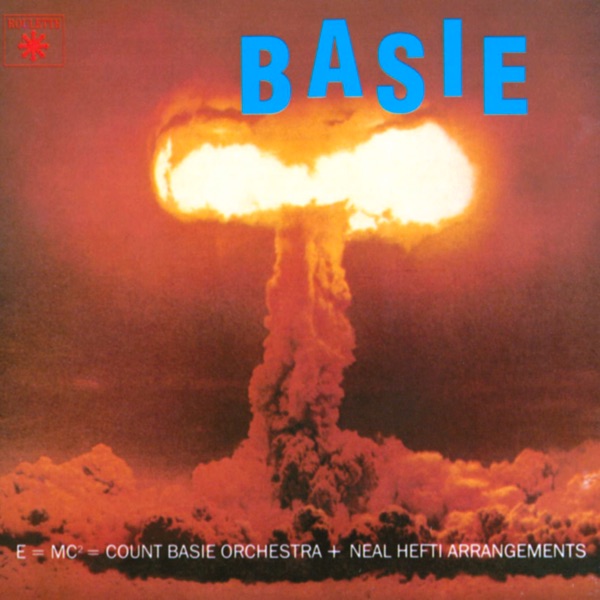
The Atomic Mr. Basie 1958
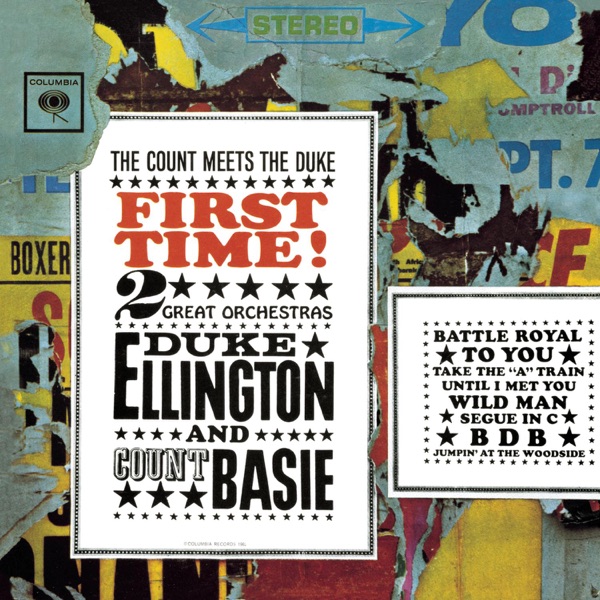
First Time! The Count Meets the Duke 1961

Arthur Prysock / Count Basie 1966

Sammy Davis & Count Basie: Our Shining Hour 1965
The musicians on this record
Their own records, close in time