
Miles Davis Finds His Modal Voice
Milestones captures Davis at a crossroads, abandoning the bebop changes that made him famous.
Milestones arrives as a turning point in Miles Davis's career, and you can hear the shift immediately. By this point in his work, he's getting restless with the harmonic complexity of bebop and hard bop. Instead of those rapid chord changes that require you to follow every twist, he's moving toward modal jazz—music built on scales and moods rather than complex progressions. The title track is the clearest statement of this direction: it's lean, hypnotic, built on a simple framework that lets the soloists breathe and explore. You're not fighting through changes; you're floating inside a scale. This wasn't entirely new to Davis, but here it feels deliberate and confident.
The album mixes this modal approach with some straightforward hard bop numbers, which keeps things from feeling too experimental. Track selections balance newly composed pieces with standards, and the whole session has this relaxed quality that suggests Davis and his band are genuinely enjoying themselves in the studio. The recording captures real chemistry—there's space for things to breathe, which matters more than a pristine production. Some of these tracks have a casual feel compared to Davis's earlier, more tightly arranged sessions, but that casualness is actually the point. He's letting players respond to each other rather than executing a set blueprint.
If you're exploring Davis's discography, this isn't necessarily where to start—something like Kind of Blue (1959) is the more obvious entry point because it takes these modal ideas further and with more focus. But Milestones is valuable because it shows the thinking behind that shift, the moment when Davis decided the old way wasn't serving him anymore. It's less polished than his peak work, and some passages feel tentative, but that honesty is part of what makes it interesting. This is Davis in transition, and that transition matters.
Who's playing
Paul Chambersdouble bass
Red Garlandpiano
Cannonball Adderleyalto saxophone
John Coltranetenor saxophone
Miles Davistrumpet
Philly Joe Jonesdrums
Where next?
More by Miles Davis
All 59 albums →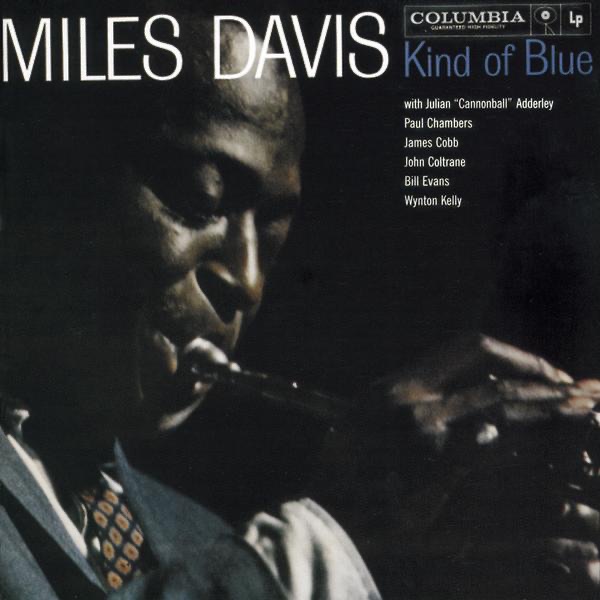


The musicians on this record

Giant Steps 1960
John Coltrane
plays tenor saxophone here
plays tenor saxophone here

Julian "Cannonball" Adderley 1955
Cannonball Adderley
plays alto saxophone here
plays alto saxophone here

Kenny Drew Trio 1957
Philly Joe Jones
plays drums (drum set) here
plays drums (drum set) here

Red in Blues-Ville 1959
Red Garland
plays piano here
plays piano here


