1971 · Album
A Tribute to Jack Johnson
Recorded April 7, 1970 · Columbia · Produced by Teo Macero

Miles Davis Enters the Ring of Sound
A visceral descent into funk and abstraction, where boxing and music collide in electric fusion.
Recorded in 1970 and released in 1971, Miles Davis made something that doesn't fit neatly into any one box—a soundtrack for a documentary about boxer Jack Johnson that became way more than just film music. A Tribute to Jack Johnson caught Miles at a really interesting point in his career, taking the raw power and fluid movement of Johnson's boxing style and turning it into music that's just as aggressive as it is beautiful. The whole album has this charged, almost dangerous energy running through it. Those heavy wah-wah guitars and the relentless funk underneath feel like the physicality of boxing—the sweat and effort—while Miles pushes jazz into places it hadn't really gone before with all that amplification and rhythmic intensity.
What really makes this album work is how focused it stays on pure sound and simple ideas. Instead of getting caught up in complicated harmonies or fancy chord progressions, Miles and the band build these massive sonic worlds out of repeated, hypnotic riffs that feel like storms gathering strength. Billy Cobham's drums fall into these tight, almost machine-like grooves while John McLaughlin's guitar plays like he's fighting for control, bending notes the way Miles would shape a phrase on trumpet. It's less like traditional jazz and more like a ceremony—each track is another round, pushing back and forth between holding back and letting loose.
This was recorded when electric Miles was taking the biggest risks, and the album sits right in the middle of everything he was doing—connecting the fusion work he'd already done with the weirder, more electronic stuff he'd explore deeper in the '70s. Jack Johnson himself, this revolutionary athlete who changed boxing, becomes a way to think about Miles and how he breaks rules too. The rough, unfinished quality of how it was recorded actually makes it stronger—it sounds like pure ambition captured in the moment rather than something polished and safe. It's one of jazz's best statements about freedom, pushing yourself, and what happens when you just keep chasing your vision no matter what.
Who's playing
Michael Hendersonelectric bass guitar
Dave Hollandelectric bass guitar
Bennie Maupinbass clarinet
Chick Coreaelectric piano
John McLaughlinelectric guitar
Sonny Sharrockelectric guitar
Steve Grossmansoprano saxophone
Miles Davistrumpet
Herbie Hancockelectronic organ
Billy Cobhamdrums
Jack DeJohnettedrums
Where next?
More by Miles Davis
All 59 albums →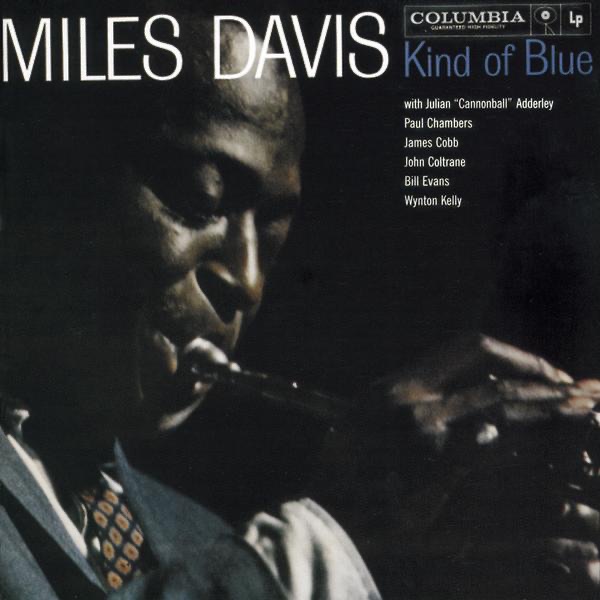
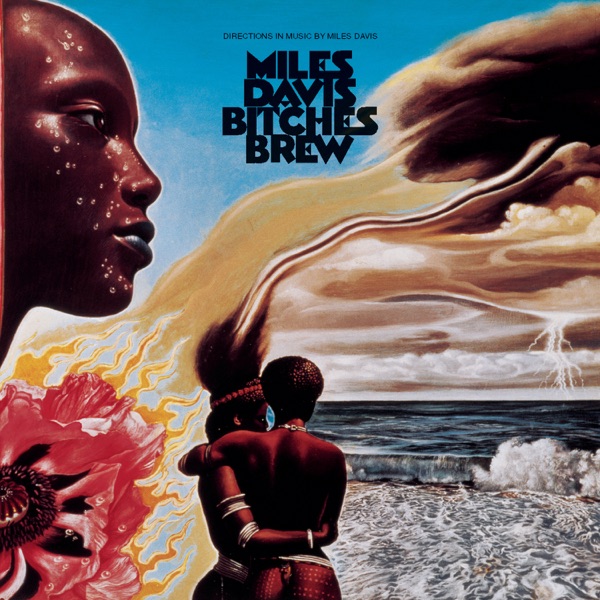


The musicians on this record

Crystal Silence 1973
Chick Corea
plays electric piano here
plays electric piano here
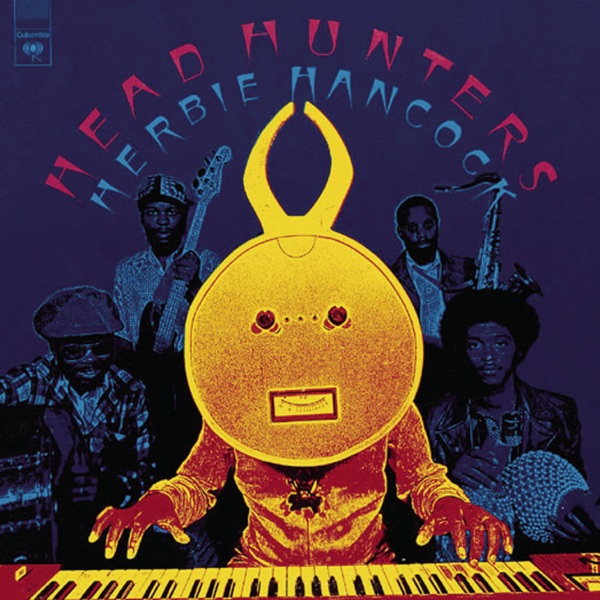
Head Hunters 1973
Herbie Hancock
plays electronic organ here
plays electronic organ here

Spectrum 1973
Billy Cobham
plays drums (drum set) here
plays drums (drum set) here

My Goal’s Beyond 1971
John McLaughlin
plays electric guitar here
plays electric guitar here


