1957 · Album
Bags’ Groove
Recorded 1954 · Prestige · Source Material: Two 10" LPs from 1954, plus two alternative takes

A Snapshot from Miles' Middle Years
Bags' Groove catches Miles in a working band, solid and inventive, before he became the legend everyone remembers.
Bags' Groove arrives neither as a statement of arrival nor as a peak moment—it's something quieter and more useful than that. By 1957, when Prestige released this album, Miles had already made his mark on the bebop scene and the first cool jazz records. This wasn't his debut or his masterwork. It was him doing the job: session work compiled from 1954, material that had lived on 10" records and was being repackaged for the 12" LP format that was taking over. The Penguin Guide to Jazz Recordings gave it 3.5 stars out of 4, which says something—not a classic, but a solid record worth hearing.
What makes Bags' Groove worth your time is its straightforwardness. Miles plays with the kind of focused, uncluttered tone that defined his early-to-mid-career work. The sessions are lean and purposeful, letting each musician occupy real space in the arrangement rather than piling on flourishes. You get a clear picture of how Miles sounded in the studio when nobody was trying to make history—just trying to make good music.
This isn't where you start with Miles. Go to Kind of Blue (1959) or Sketches of Spain (1960) first if you want the landmark statements. But if you've already heard those and want to see how he spent his working hours between the bebop years and his modal experiments, Bags' Groove shows you the craftsman at work.
Who's playing
Percy Heathdouble bass
Thelonious Monkpiano
Horace Silverpiano
Sonny Rollinstenor saxophone
Miles Davistrumpet
Kenny Clarkedrums
Milt Jacksonvibraphone
Where next?
More by Miles Davis
All 59 albums →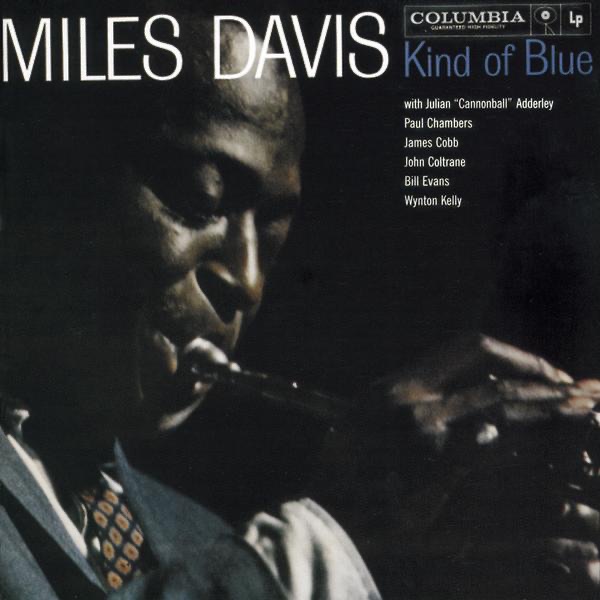


The musicians on this record
♫
Django 1959
Milt Jackson
plays vibraphone here
plays vibraphone here

Way Out West 1957
Sonny Rollins
plays tenor saxophone here
plays tenor saxophone here

Brilliant Corners 1957
Thelonious Monk
plays piano here
plays piano here

Blowin' The Blues Away 1959
Horace Silver
plays piano here
plays piano here


