
Miles Davis in the Prestige Years
Blue Haze captures Davis mid-career, working through material that mattered more for what it represented than what it immediately sold.
Blue Haze arrived as a compilation, which meant it had no moment of impact the way a fresh studio album does. It collected tracks from 1953 and 1954, a period when Davis was recording steadily for Prestige but not yet commanding the attention he would later. The album built its reputation quietly over time, never a commercial sensation but respected by those who listened carefully. The Penguin Guide to Jazz Recordings rated it three out of four stars, acknowledging its worth without overstating it.
What makes this music worth hearing is Davis himself during a working period—not the revolutionary figure he'd become, but a player in motion, testing ideas with different ensembles. The sessions have the feel of a working musician taking what gigs came, recording what needed recording, refining his sound without pretense. There's directness here, no wasted motion, and the clarity of Davis's tone cuts through every arrangement.
This is not the place to start with Miles. That would be Kind of Blue (1959). But once you know his later work, Blue Haze tells you something useful about where he came from and how he got there. It's a solid record from a musician in transition, the kind of thing that matters most to people who want to follow an artist's thinking across time rather than hear his greatest hits.
Who's playing
Percy Heathbass
Horace Silverpiano
John Lewispiano
Charles Minguspiano
Davey Schildkrautalto saxophone
Miles Davistrumpet
Kenny Clarkedrums
Art Blakeydrums
Max Roachdrums
Where next?
More by Miles Davis
All 59 albums →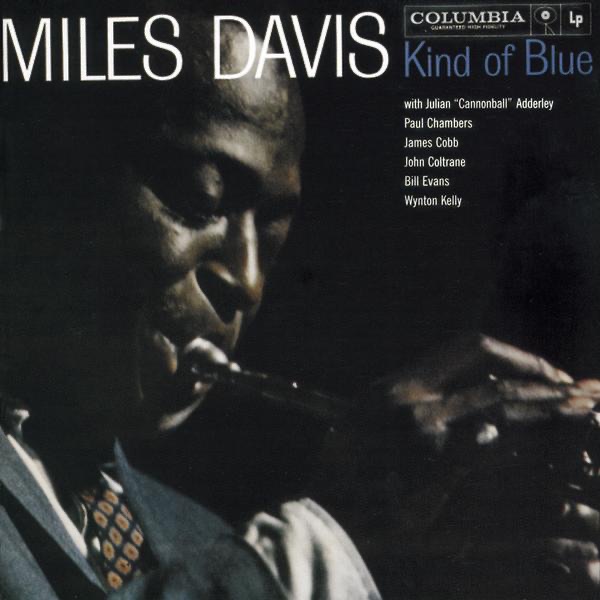


The musicians on this record
♫
Fontessa 1956
John Lewis
plays piano here
plays piano here

Mingus Ah Um 1959
Charles Mingus
plays piano here
plays piano here

Vol. 2: Mission Eternal 1959
Art Blakey
plays drums (drum set) here
plays drums (drum set) here

Blowin' The Blues Away 1959
Horace Silver
plays piano here
plays piano here


