1974 · Album
Get Up With It
Recorded 1970-1974 · Columbia Records · Produced by Miles Davis, Teo Macero

Electric Funk Dreams in the Twilight Years
Miles stopped caring about what jazz was supposed to be and started making something only he could hear.
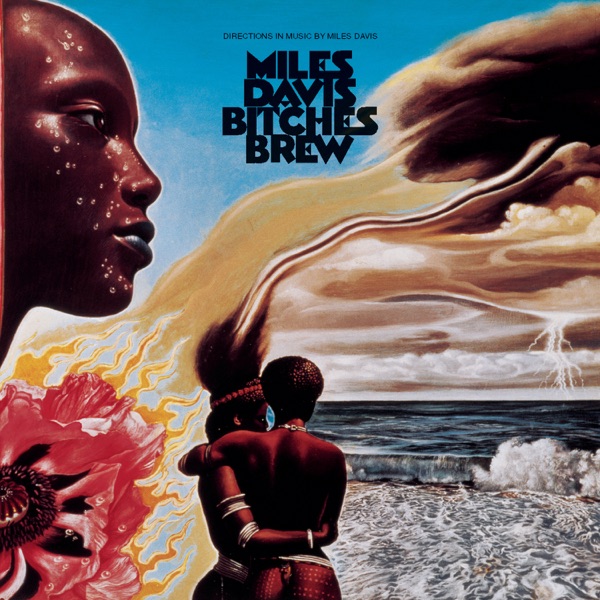
By the time Miles Davis recorded Get Up With It (1974), he'd already reinvented himself more times than most musicians get to try once. This album exists in the margins of his legacy—not the landmark modal stuff, not the fusion explosion of Bitches Brew, but something weirder and more uncertain. It's a collection of sessions and fragments stitched together across years, which means it feels genuinely unmoored from any single moment or vision. Miles is dealing with health problems, personal turmoil, and a music industry that's moved past him in some ways. What emerges is honestly disorienting: songs like "He Loved Him Madly" are slow and funeral-like, built on sustained tones that go nowhere you expect. "Maiysha" leans into funk grooves with John McLaughlin on guitar, but there's no joy in it—just motion, like something mechanical that's stopped making sense. The band includes Jack DeJohnette and Reggie Workman, players who could follow Miles into the void without hesitation. The record refuses to cohere, which is partly why it matters. Miles wasn't trying to capture lightning again. He was documenting confusion, restlessness, the sound of someone still searching at an age when most artists are resting on what they've already done. It's not an easy listen and it's not a masterpiece, but it's honest in a way that matters. For devoted fans only—start with Kind of Blue (1959) or Bitches Brew (1970) first. But if you want to hear Miles when he had nothing left to prove, this is the place.
Who's playing
Michael Hendersonelectric bass guitar
Keith JarrettRhodes piano
Cedric LawsonRhodes piano
Pete Coseyelectric guitar
Dominique Gaumontelectric guitar
Reggie Lucaselectric guitar
John McLaughlinelectric guitar
Cornell Dupreeelectric guitar
Steve Grossmansoprano saxophone
John Stubblefieldsoprano saxophone
Miles Davistrumpet
David Liebmanalto flute
Sonny Fortuneflute
Al Fosterdrums
Billy Cobhamdrums
Bernard “Pretty” Purdiedrums
James Mtumepercussion
Airto Moreirapercussion
Herbie Hancockclavinet
Khalil Balakrishnaelectric sitar
Badal Roytabla
Where next?
More by Miles Davis
All 59 albums →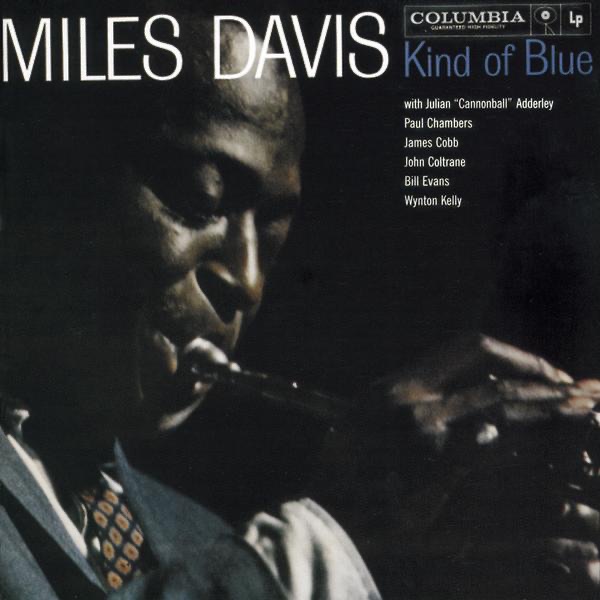


The musicians on this record
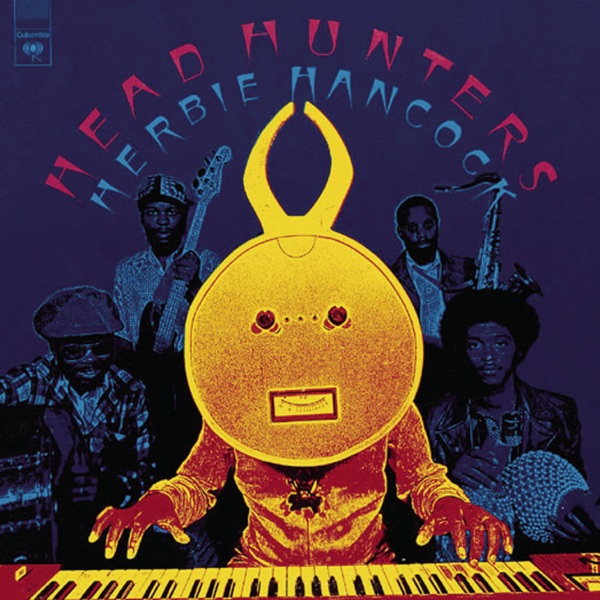
Head Hunters 1973
Herbie Hancock
plays clavinet here
plays clavinet here

The Köln Concert 1975
Keith Jarrett
plays Rhodes piano here
plays Rhodes piano here

Spectrum 1973
Billy Cobham
plays drums (drum set) here
plays drums (drum set) here

My Goal’s Beyond 1971
John McLaughlin
plays electric guitar here
plays electric guitar here


