1971 · Album
Jack Johnson
Columbia Records · Released: February 24, 1971 · Type: Studio album and soundtrack

Miles in the Ring with Jack Johnson
A funky, electric departure that caught Davis chasing something darker and more primal than before.
By 1971, Miles Davis had spent years moving away from acoustic jazz into electric fusion, and Jack Johnson (1971) represents him fully committed to that direction. This was a soundtrack album, written for a documentary about the boxer Jack Johnson, and that context matters—Davis wasn't trying to make a conventional jazz record. He was composing and arranging music for a specific story, one about a controversial figure, which gave him license to be raw and unpolished in ways his studio albums sometimes weren't.
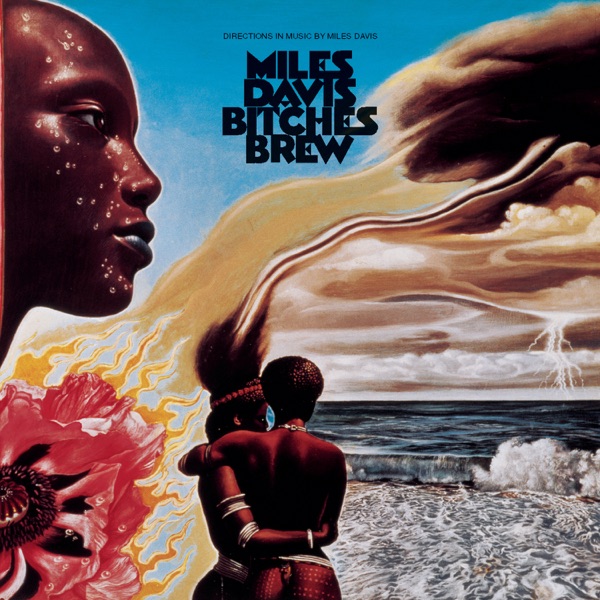
What distinguishes this record is how willing Davis sounds to abandon swing and melody for texture and mood. The tracks are built on heavy electric bass and drums that sit in a pocket rather than propel—they're grounded, almost reluctant. Davis's trumpet floats over top, sometimes melodic, sometimes just another texture in the mix. There's a funk undercurrent running through it, but it's funk that feels tense rather than celebratory. The music has a slight heaviness to it, almost claustrophobic at times. If you're expecting the breeziness of Bitches Brew (1969), you won't find it here. This is more deliberate, more shadowed.
The album didn't dominate the critical conversation at the time the way some of his other work did, and it's remained a bit of a peripheral entry in Davis's catalog—not his peak, not his best entry point, but genuinely interesting for anyone who wants to hear him working with constraints and narrative. It shows a different side of his ambition: not the explorer pushing jazz forward, but a working composer solving a specific artistic problem. The results are uneven, but the willingness to commit to the material, to let it be functional rather than flashy, makes it worth hearing.
Who's playing
Michael Hendersonelectric bass guitar
Dave Hollandelectric bass guitar
Bennie Maupinbass clarinet
Chick Coreaelectric piano
John McLaughlinelectric guitar
Sonny Sharrockelectric guitar
Steve Grossmansoprano saxophone
Miles Davistrumpet
Herbie Hancockelectronic organ
Billy Cobhamdrums
Jack DeJohnettedrums
Where next?
More by Miles Davis
All 59 albums →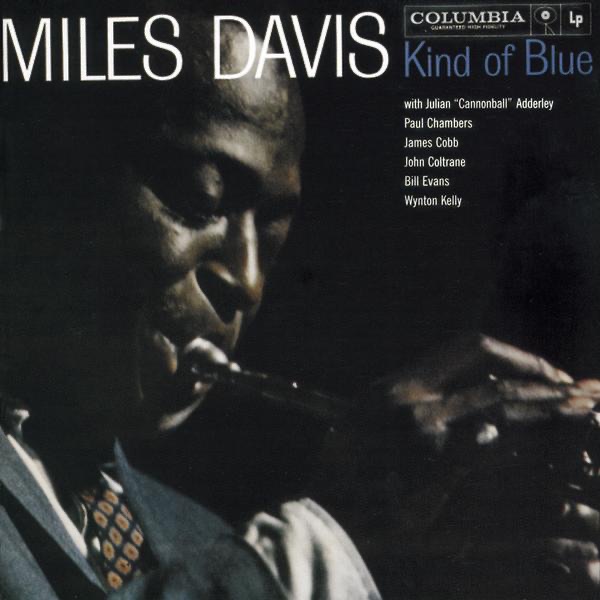


The musicians on this record

Crystal Silence 1973
Chick Corea
plays electric piano here
plays electric piano here
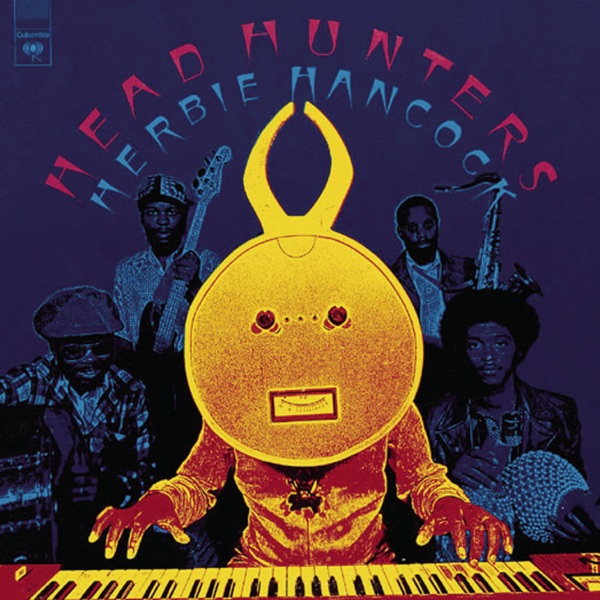
Head Hunters 1973
Herbie Hancock
plays electronic organ here
plays electronic organ here

Spectrum 1973
Billy Cobham
plays drums (drum set) here
plays drums (drum set) here

My Goal’s Beyond 1971
John McLaughlin
plays electric guitar here
plays electric guitar here


