Where do you listen?
Choose your streaming service
inside the sleeve
Loading…
inside the sleeveITS
⌕
Read About

♫

Facts
Connections
Read more

Discography

Collaborations

Live on Youtube

Explore Further

Selected connections
1974 · Album

Big Fun

↑ Miles Davis

Recorded 1969-1972 · Columbia Records · Released: April 19, 1974
Big Fun

Miles in the Margins: Big Fun's Quiet Experiment

Big Fun arrived in 1974 as one of three Davis albums that year, largely unnoticed until its 2000 reissue sparked genuine reconsideration.

Big Fun occupies an odd corner of Miles Davis's catalog—a compilation of sessions from 1969 to 1972 that wasn't marketed as a greatest-hits package but as something new, complete with four compositions attributed to Davis himself. The album arrived in April 1974 alongside two other Davis releases that year, a commercial glut that worked against all three. Listeners and critics had grown accustomed to Davis's more recent electric work, and Big Fun, despite its playful title, didn't announce itself loudly enough to cut through the noise.

What makes the album worth hearing now is precisely what made it easy to overlook then: it documents Davis during a transitional stretch, when he was experimenting with funkier grooves and electric textures without fully committing to the fusion bombast of his most famous electric records. The tracks breathe in ways that some of his louder, more densely arranged work doesn't. It's not a masterpiece, and it's not the place to start with Davis. But it captures something genuine about a working band finding its way through material that sits between categories—neither straight fusion nor pure acoustic jazz.

The Penguin Guide to Jazz Recordings gave it 3.5 out of 4 stars, a solid endorsement that reflected what serious listeners eventually recognized: Big Fun had more substance than its initial reception suggested. The 2000 reissue, augmented with previously unreleased material, finally gave the album room to breathe and allowed a critical audience to hear it on its own terms rather than as a stray entry in a crowded discography.

Who's playing
Harvey Brookselectric bass guitar
Ron Carterbass
Bennie Maupinbass clarinet
Michael Hendersonelectric bass guitar
Dave Hollandbass
Chick Coreaelectric piano
Herbie Hancockelectric piano
Harold "Ivory" Williamspiano
Dr. Lonnie Smithpiano
Joe Zawinulelectric piano
John McLaughlinelectric guitar
Steve Grossmansoprano saxophone
Carlos Garnettsoprano saxophone
Wayne Shortertenor saxophone
Miles Davistrumpet
Sonny Fortuneflute
Lonnie Liston Smithorgan
Billy Cobhamdrums
Al Fosterdrums
Billy Hartdrums
Jack DeJohnettedrums
Airto Moreirapercussion
James Mtumepercussion
Khalil Balakrishnaelectric sitar
Bihari Sharmatanpura
Badal Roytabla
Listen next
By Miles Davis
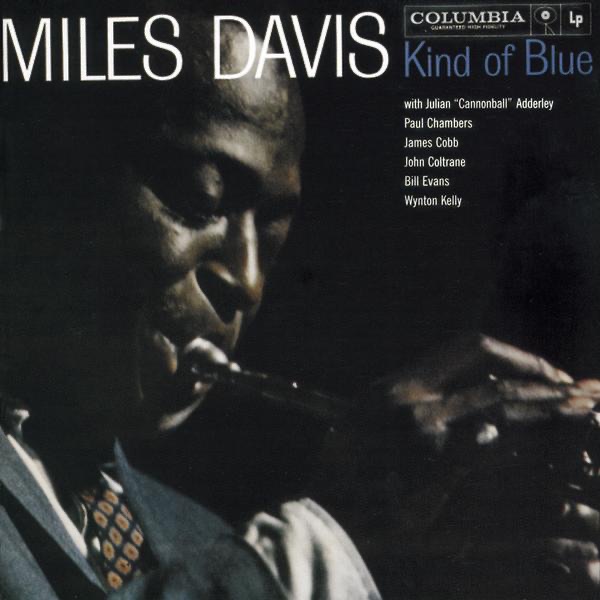
Kind of Blue 1959
Chick Corea's own record
Crystal Silence 1973
Chick Corea plays electric piano here
More Modal Jazz
The Moontrane 1975
Woody Shaw
Recording Info
Track listing
1Great Expectations27:34
2Ife21:33
3Go Ahead John28:26
4Lonely Fire21:21
Musicians
Further Reading
Read more

Where next?

More by Miles Davis
Kind of Blue 1959
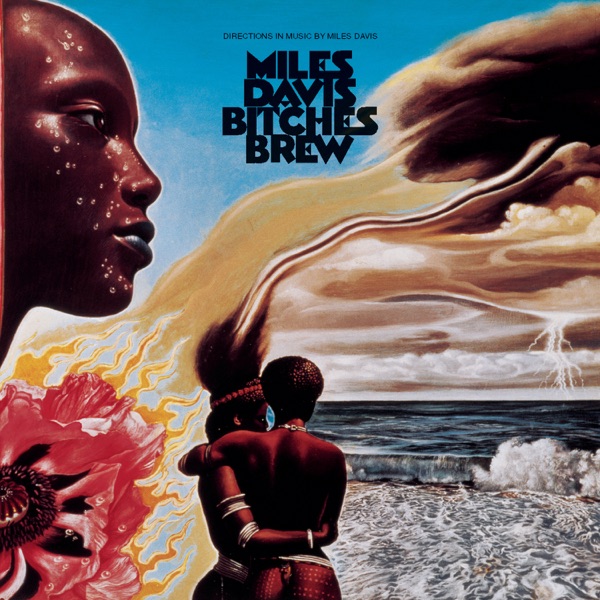
Bitches Brew 1970
Sketches of Spain
Birth of the Cool 1950
All 59 albums →
The musicians on this record
Crystal Silence 1973
Chick Corea
plays electric piano here
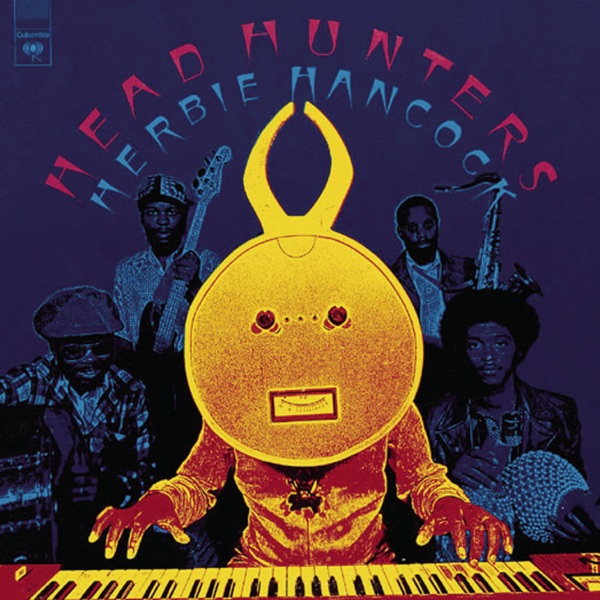
Head Hunters 1973
Herbie Hancock
plays electric piano here
Native Dancer 1975
Wayne Shorter
plays tenor saxophone here
Spectrum 1973
Billy Cobham
plays drums (drum set) here
Their own records, close in time
More Modal Jazz
The Moontrane 1975
Woody Shaw
The Real McCoy 1967
McCoy Tyner
You Must Believe in Spring 1981
Bill Evans
Clubhouse 1979
Dexter Gordon
All 41 Modal Jazz artists →

More by this artist

Albums with the same musicians

From the same era

Similar artists

inside the sleeve
Growing
Jazz, explained without pretension.
Read · Follow the connections · Press play
Right now: 7,100+ albums · 440+ artists
Start here
New to jazz? These artists are good places to start.
Loading…
Explore
Nine records worth getting lost in.
Born today
Album of the day
A landmark record, every day.
Read
  • Loading…
Article archive →
Recently added
Purpose
Inside the Sleeve is your companion on a journey through jazz — not a textbook, but something closer to a knowledgeable friend sitting next to you while you listen. Read about an artist, press play, follow a connection, discover an album you didn't know you needed.
Suggestions
Read

Articles

Essays, guides, and lists about jazz and the records that matter.

Loading…

Genre

Key Artists
Further Reading

Essential Albums

Related Genres

In This Genre

About

Inside the Sleeve

Work in progress

Inside the Sleeve grows continuously — new artists and albums are added, essays refined, as visitors explore and our editors follow up on what they find. Content, features, and design are still evolving; use the Report error button on any page to flag something that seems off.

Content

Every artist, album, and release date on Inside the Sleeve is real — verified against trusted sources including MusicBrainz and Wikipedia. We don't invent discographies or fabricate records. AI compiles that verified information into readable prose — essays on artists, albums, and the music itself. We can't manually review every essay before publishing, but every reported error is checked by a human editor.

Inside the Sleeve is not a review site. We're not here to rate or rank — we're here to guide you in. Where an album stands out, we'll say so. Where an artist changed everything, you'll know why. But we won't tear anything down. Jazz history is complex and sources sometimes disagree — if you spot something that seems off, please report it.

Streaming

Inside the Sleeve links to Spotify and Apple Music so you can listen while you read. These are not affiliate links. For Spotify, links open a search on open.spotify.com — we do not have direct links to specific recordings. For Apple Music, direct links are used where available, otherwise a search is opened.

Your choice of streaming service is stored locally in your browser only. It is never sent to our servers.

We're working on deeper Spotify integration, including direct links to specific recordings.

Privacy

Inside the Sleeve does not collect personal data and does not use cookies. We count page visits anonymously using a self-hosted analytics tool — no personal identifiers are stored, and the data never leaves our own server. The only preference stored on your device is your streaming service choice, saved locally in your browser and never transmitted.

When you submit a suggestion or error report, the text you write is stored in our database. No name or email is required or collected unless you choose to provide one.

Third-party services

Spotify and Apple Music are independent services with their own terms of use and privacy policies. Inside the Sleeve is not affiliated with or endorsed by either company.

Support

Inside the Sleeve is free and ad-free. If you enjoy it, a coffee helps cover server costs and keeps the project going.

Amazon

Some book recommendations on Inside the Sleeve link to Amazon. Buying through these links costs you nothing extra — but Amazon pays us a small commission, which goes directly towards keeping the site running. It's a simple way to support the project if you were going to buy the book anyway.

As an Amazon Associate, Inside the Sleeve earns from qualifying purchases.

Questions or feedback? Use the suggestion box on the front page.

Inside the Sleeve — A guide for those who want to go beyond the obvious About & Privacy