1956 · Album
Dig
Recorded 1951 at Apex Studios · Prestige Records · Produced by Not specified in available sources

What the 1951 Session Left Behind
Dig captures Miles in transition, five years before Kind of Blue, still finding his voice.
Dig arrives as a patchwork, assembled from a single 1951 session at Apex Studios and not released until 1956. That five-year gap says something: these tracks weren't considered urgent enough to rush out, yet they held enough value to eventually package and sell. The album works best when you hear it for what it is — a snapshot of Miles working through bebop language without the polish or clarity of his best work from that same period.
The session itself feels provisional. The horns don't quite lock the way they do on his Blue Note sides or his later work with John Coltrane. There's a looseness here, sometimes energizing and sometimes just unfocused. The Penguin Guide rates it three out of four stars, which feels fair: solid playing from musicians who knew their way around the form, but nothing that rewrites the book. You hear Miles thinking out loud, still in his twenties, not yet the conceptualist he would become.
Dig works best as a curiosity for people already invested in Miles' early career. It's not the place to start — begin with Kind of Blue (1959) or Cookin' with the Miles Davis Quintet (1957) instead. But if you've spent time with those records and want to hear younger versions of these same musicians working through similar material with less certainty and more raw energy, Dig repays the listen. It's the sound of work-in-progress from someone who would soon change jazz forever.
Who's playing
Tommy Potterdouble bass
Walter Bishop, Jr.piano
Jackie McLeanalto saxophone
Sonny Rollinstenor saxophone
Miles Davistrumpet
Art Blakeydrums
Where next?
More by Miles Davis
All 59 albums →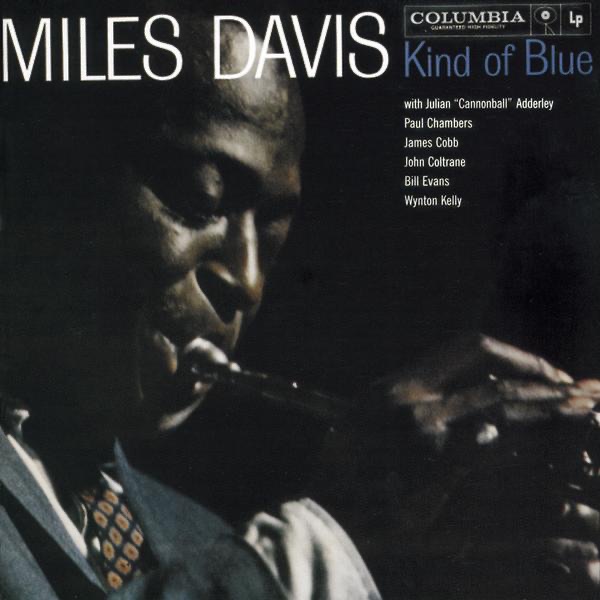


The musicians on this record

Way Out West 1957
Sonny Rollins
plays tenor saxophone here
plays tenor saxophone here

Vol. 2: Mission Eternal 1959
Art Blakey
plays drums (drum set) here
plays drums (drum set) here

4, 5 and 6 1956
Jackie McLean
plays alto saxophone here
plays alto saxophone here


