1969 · Album
Filles de Kilimanjaro
Recorded June and September 1968 · Columbia 30th Street Studio, Manhattan · Columbia Records

Miles Between Two Worlds
Filles de Kilimanjaro is where Davis stopped looking back and started running forward.
By late 1968, Miles Davis had already mastered acoustic post-bop with his Second Great Quintet. He could've coasted on that sound forever—it was beautiful, it was selling. Instead, he got bored. Filles de Kilimanjaro catches him mid-pivot, one foot still in the quintet's intricate conversations and the other already reaching toward something heavier, funkier, electric. The album was recorded across two sessions in June and September at Columbia's 30th Street Studio, which gave Davis time to experiment and reset between takes.
What makes this record vital is how honestly it shows the seams. The opening track sets a lyrical tone that older fans recognized, but then the rhythm section loosens up, the bass gets funkier, the piano—now played by Chick Corea and Dave Holland on two tracks—starts suggesting textures rather than stating them. Davis himself sounds sharper, less patient with decoration. He's listening to James Brown and Jimi Hendrix; you can hear it in his phrasing. The album isn't trying to be a fusion record yet, but it's tired of being anything else. For a transitional piece, it holds together remarkably well. It doesn't feel half-finished; it feels like a choice.
This is essential Miles, but probably not where to start if you're new to him. Begin with Kind of Blue (1959) or the Second Great Quintet records instead. But if you've already got those down and want to hear Davis actively thinking through change instead of announcing it, this is exactly the album. It was well-received at the time, and it deserves the attention now. It's the sound of one of jazz's greatest ears refusing to settle.
Who's playing
Dave Hollandbass
Ron Carterelectric upright bass
Chick Coreaelectric piano
Herbie Hancockpiano
Wayne Shortertenor saxophone
Miles Davistrumpet
Tony Williamsdrums
Where next?
More by Miles Davis
All 59 albums →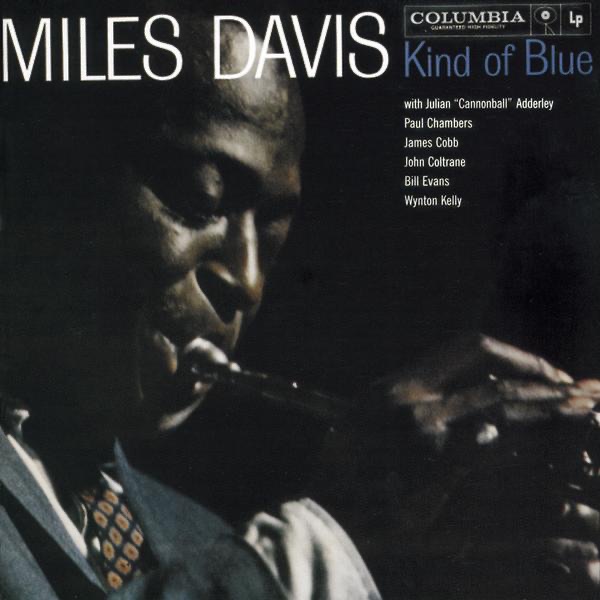


The musicians on this record

Tones for Joan's Bones 1968
Chick Corea
plays electric piano here
plays electric piano here

The Egg 1968
Herbie Hancock
plays piano here
plays piano here

The All Seeing Eye 1966
Wayne Shorter
plays tenor saxophone here
plays tenor saxophone here

Uptown Conversation 1969
Ron Carter
plays electric upright bass here
plays electric upright bass here


