1965 · Album
My Funny Valentine: Miles Davis in Concert
Recorded February 12, 1964 · Columbia Records · Venue: Philharmonic Hall, Lincoln Center, New York City

A Valentine at Lincoln Center, Live
Davis and his band captured something intimate inside a concert hall, turning a standards set into something immediate and alive.
On February 12, 1964, Miles Davis brought his working band to the Philharmonic Hall at Lincoln Center in New York City. The venue was relatively new, still building its reputation as a home for serious music. Davis was in his mid-thirties by then, well past the point of needing to prove anything, but he chose to record a concert of standards—the kind of material that could have felt safe or nostalgic in less capable hands. Instead, the band treated each song as a problem to solve in real time, with Davis's trumpet leading the way through familiar territory as if discovering it for the first time.
The album opens with the title track, "My Funny Valentine," and Davis plays it close and personal, his tone almost conversational. The rest of the set moves through Rodgers and Hart, Gershwin, and other Great American Songbook material, but there's nothing polite about these interpretations. The rhythm section locks in tight, and Davis uses space the way other players use notes—silence becomes as important as sound. It's a masterclass in how to play standards without sounding like you're paying tribute to them.
When this was released in 1965, critics responded well to it. AllMusic gave it 4.5 out of 5 stars, and The Penguin Guide to Jazz Recordings rated it 3.5 out of 4. It's a strong live document from a player at the height of his powers, playing music he clearly loved. If you know Davis primarily through his studio work, this shows you a different side—less experimental, more direct, but no less compelling.
Who's playing
Ron Carterdouble bass
Herbie Hancockpiano
George Colemantenor saxophone
Miles Davistrumpet
Tony Williamsdrums
Where next?
More by Miles Davis
All 59 albums →
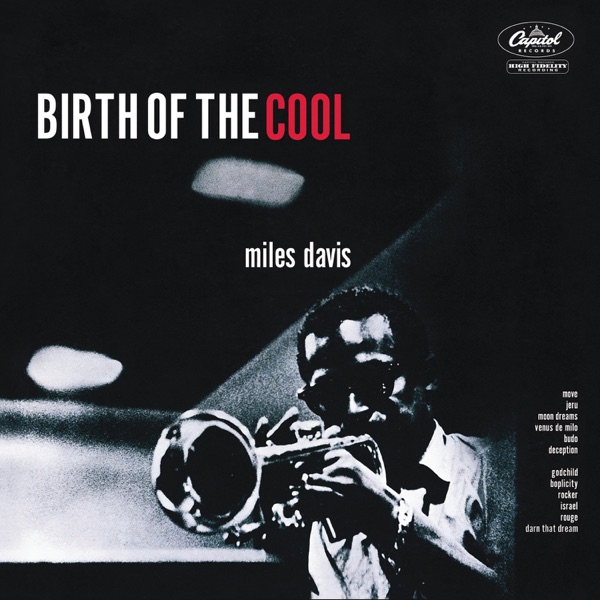
The musicians on this record
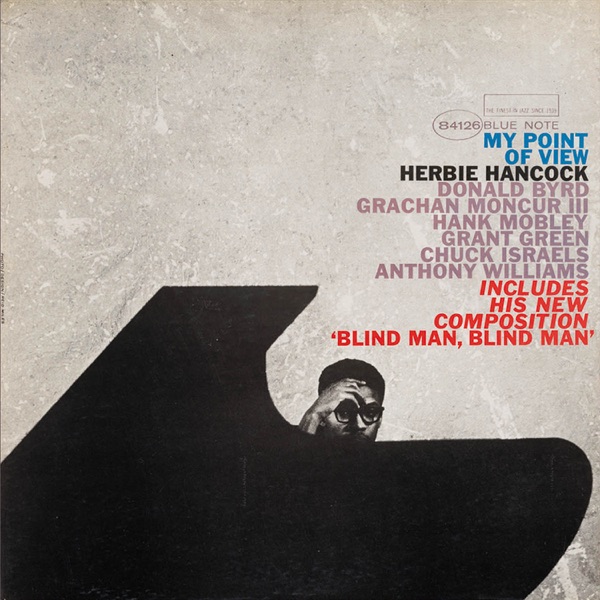
My Point of View 1963
Herbie Hancock
plays piano here
plays piano here

Dear Miles, 1962
Ron Carter
plays double bass here
plays double bass here
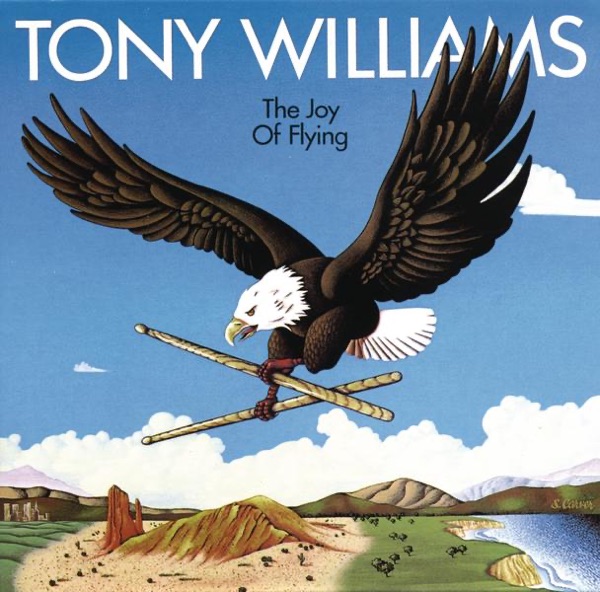
The Joy of Flying 1965
Tony Williams
plays drums (drum set) here
plays drums (drum set) here