1965 · Album
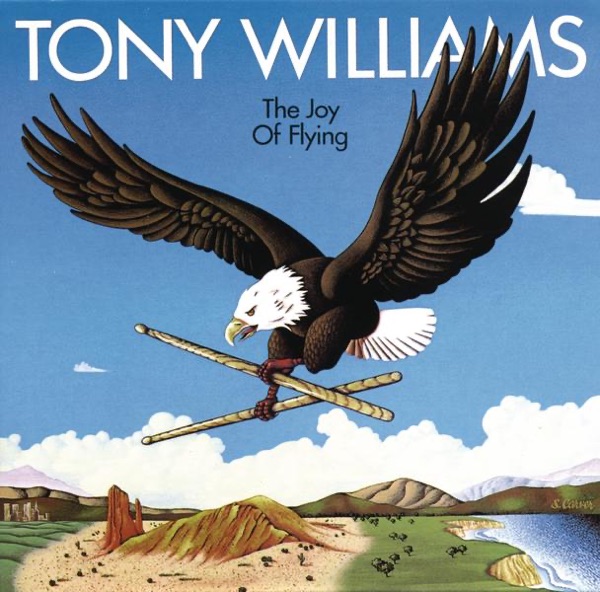
The Joy of Flying
Recorded 1965 · Blue Note Records · Produced by Alfred Lion
Drumming at the Speed of Thought
Williams proves the drums can lead a session with intelligence and restless energy.
The Joy of Flying catches Tony Williams at a moment when he's bursting with ideas about what a drummer can do beyond keeping time. By this point in his career, he'd already shown he could transform any session he touched, but here he's front and center, and the album breathes differently because of it. The tunes move with this particular kind of forward momentum where you can feel Williams thinking ahead, pushing the tempo or pulling back, always aware of space. It's not aggressive exactly—there's real joy in the playing, which is probably why he picked that title.
What makes this record distinct is how much the drums actually talk. On tracks like the title cut, Williams isn't just responding to what's happening around him. He's proposing ideas, asking questions, sometimes answering them himself. The rhythm section moves with this fluid intelligence that reminds you why bandleaders wanted him on their records. There's a lightness to some of these sessions that contrasts with his heavier work elsewhere. You get the sense he was experimenting with dynamics, testing what happens when you don't hit everything as hard as you can.
If you're new to Williams, this isn't the first place to start—you might want to come at him through Spring (1965) or his work with Miles Davis to understand his full range. But once you know what he's capable of, The Joy of Flying becomes a necessary listen because it's him playing on his own terms. It's a smaller-scale record than some of his other sessions, more intimate, and that's exactly the point. He sounds like he's having the time of his life.
Who's playing
Paul Jacksonelectric bass guitar
Stanley Clarkeelectric bass guitar
Mario Cipollinaelectric bass guitar
Jan HammerMoog, Rhodes piano, synthesizer
Herbie Hancockclavinet, Minimoog, Rhodes piano
George Bensonguitar
Ronnie Montroseguitar
Michael Breckertenor saxophone
Ronnie Cuberadditional, baritone saxophone
David Sanbornadditional, alto saxophone
Randy Breckeradditional, trumpet
Jon Faddisadditional, trumpet
Barry Rogersadditional, trombone
Brian Augerkeyboard, synthesizer
Tony Williamsdrums
Ralph MacDonaldpercussion
Tom ScottLyricon
Where next?
More by Tony Williams
All 12 albums →


The musicians on this record
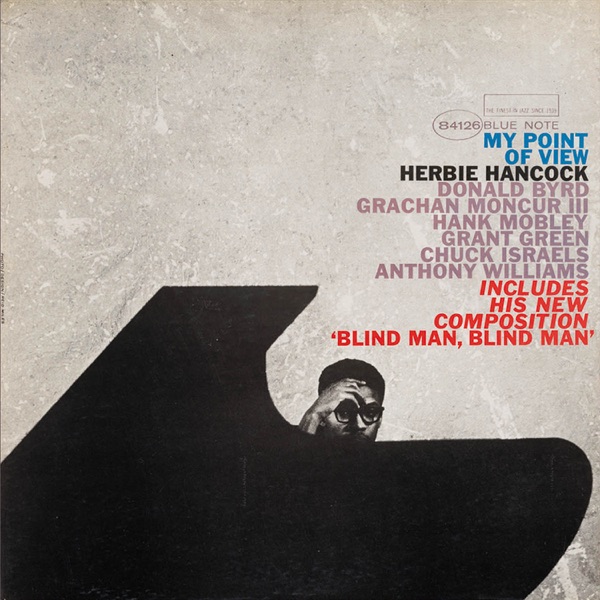
My Point of View 1963
Herbie Hancock
plays clavinet here
plays clavinet here

20/20 1963
George Benson
plays guitar here
plays guitar here
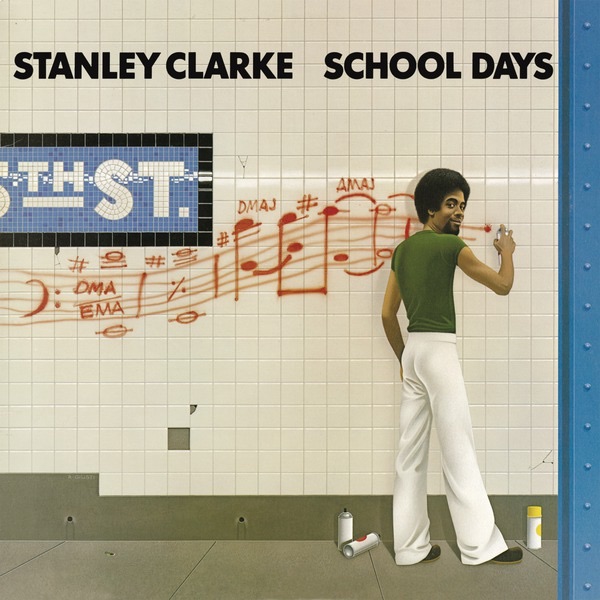
School Days 1976
Stanley Clarke
plays electric bass guitar here
plays electric bass guitar here

Pilgrimage 2007
Michael Brecker
plays tenor saxophone here
plays tenor saxophone here