The Drummer Takes the Lead
Tony Williams proves the drums can carry an album without apology or compromise.
Spring arrives as something rare in jazz—a drummer's album that doesn't feel like a drummer showing off. Tony Williams was still in his twenties when he made this record, but he'd already played with everyone worth playing with. Here he steps fully into focus, not as a sideman laying down time but as a bandleader with ideas to explore. The record is restless and modern in ways that still hold up. The drums don't just accent the melody; they shape it, push it, sometimes seem to contradict it in interesting ways.
What makes Spring work is that Williams doesn't surround himself with famous names or rely on standards to carry the weight. These are original compositions that give the other musicians room to breathe while keeping the drums at the center of attention. The playing feels deliberate and considered rather than flashy. You're hearing a young musician figuring out exactly what kind of bandleader he wants to be, and that clarity of purpose runs through every track. It's a confident record from someone who hasn't yet turned thirty.
This isn't Williams' most celebrated work—that status belongs to his later Blue Note recordings—but Spring matters because it captures him at a distinct moment, establishing himself on his own terms. If you know him mainly as the powerhouse drummer behind other people's visions, this is essential. If you're new to his work, start somewhere else first, with albums that have more name recognition. But once you've heard those, come back here. You'll appreciate what he was building.
Who's playing
Gary Peacockbass
Herbie Hancockpiano
Sam Riverstenor saxophone
Wayne Shortertenor saxophone
Tony Williamsdrums
Where next?
More by Tony Williams
All 12 albums →

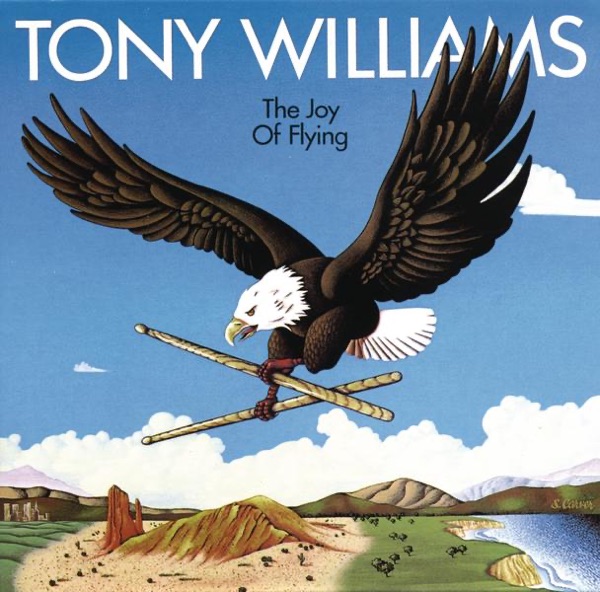

The musicians on this record
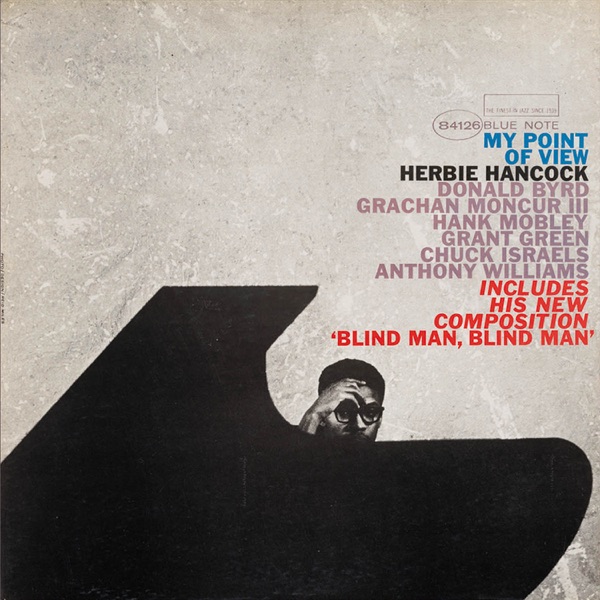
My Point of View 1963
Herbie Hancock
plays piano here
plays piano here

The All Seeing Eye 1966
Wayne Shorter
plays tenor saxophone here
plays tenor saxophone here

Paul Bley with Gary Peacock 1970
Gary Peacock
plays bass here
plays bass here