Listening as a Way of Playing
Peacock grew up in the Pacific Northwest and came up through the West Coast scene before landing in New York in the early 1960s, right when the music was pulling in every direction at once. He fell in with the free jazz crowd quickly — playing with Albert Ayler was about as far out as it got at that moment — but he never got locked into a single camp. That flexibility became his signature.
What makes Peacock's playing distinctive is hard to pin down if you're used to thinking about bassists in terms of technique or speed. He wasn't trying to dazzle you. His lines have this quality of inevitability, like he's finding the note that was already supposed to be there. He could play inside a standard and make it feel completely open, or play in an entirely free context and make it feel grounded. That's a genuinely rare thing.
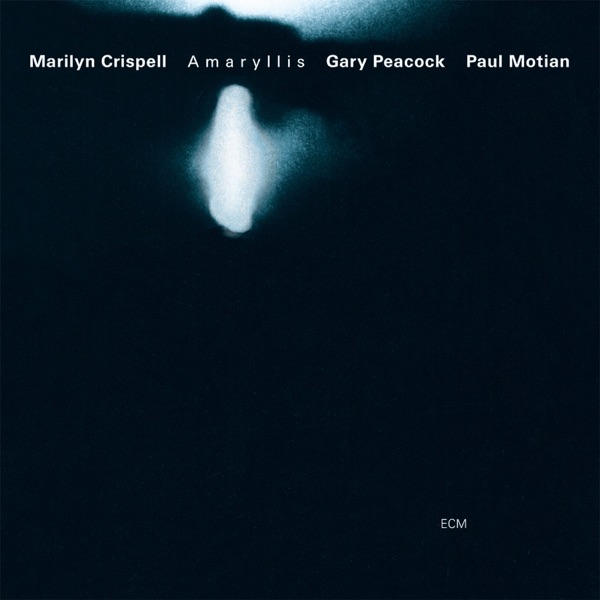
The Standards Trio — Peacock with Keith Jarrett on piano and Jack DeJohnette on drums — is where most people encounter him, and for good reason. The trio's recordings for ECM across the 1980s and 1990s are some of the most satisfying piano trio records ever made. They're not reinventing the standards, exactly — they're playing them straight, but with such attentiveness to each other that the music feels alive in the room every time. Standards, Vol. 1 (1983) is a great place to start if you haven't already.
Before the Standards Trio settled into its long run, Peacock spent time studying music theory and even Buddhist philosophy in Japan, which says something about the kind of musician he was — someone who wanted to understand what he was doing from the ground up, not just get better at executing it. Whether that shows up directly in the music is hard to say, but there's a quality of patience and intention in his playing that feels connected to that kind of thinking.
He kept working deep into his eighties, recording with the trio until not long before his death in 2020. That longevity wasn't just about endurance — the later trio recordings hold up. He didn't coast. If you want to understand what it means to play with someone rather than at them, Gary Peacock is one of the best teachers the music has produced.