2001 · Album
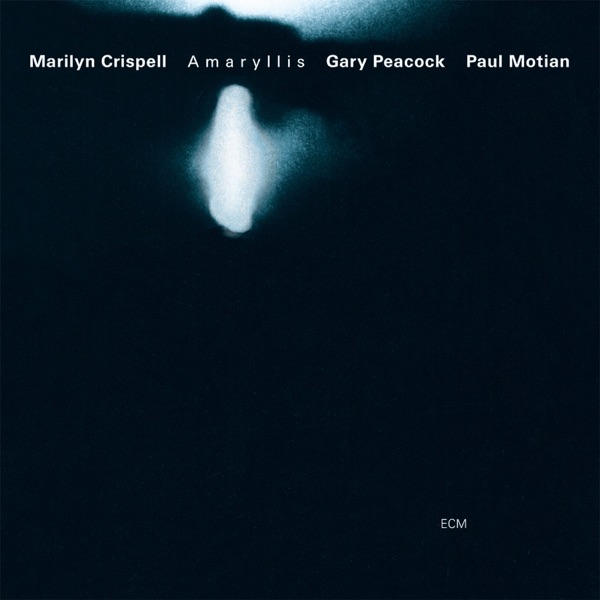
Amaryllis
Recorded February 2000 · ECM · Produced by Not specified in source material
Three Voices in Conversation, Quietly Insistent
Crispell investigates a more lyrical music, but the precision and tidal energy remain intact.
The first thing you hear is space—not emptiness, but the kind of listening silence that happens when three musicians know each other well enough to trust pauses. Marilyn Crispell's piano enters spare and exploratory, not rushing to fill anything. Gary Peacock and Paul Motian are there the moment they're needed, responding rather than accompanying. The whole thing feels like overhearing a conversation between people who've been talking for years.
Amaryllis sits at an interesting point in Crispell's arc—she's moved away from the harder abstraction of earlier work toward something more grounded in melody, but without losing the precision. On tracks like "Rounds," she can still pour out liquid runs and fractured energies that remind you why this trio works: she has something to say, and they listen. John Fordham wrote in The Guardian that the music feels close to contemporary classical writing, which is fair—there's a compositional clarity here that doesn't sound like typical jazz piano trio fare. But that's also the point. This is Crispell thinking differently about form and phrasing, and her bandmates moving with her.
It's not a warm record, exactly. The sound is clean and deliberate, recorded in February 2000 and released on ECM the following year, which tells you something about the aesthetic: nothing rushed, nothing prettified. Some listeners will find it austere. Others will hear it as the real thing—three strong players working out ideas that matter to them, without filler or formula.